
Sponsored Content by Ora Organic. This article includes affiliate links, which may earn us a commission, to support truthful and independent journalism (at no extra cost to you).
For decades, Americans have been warned about what to avoid in their diets—too much sugar, refined carbohydrates, industrial seed oils, and ultra-processed foods. But a more consequential deficiency has received far less attention: the widespread lack of long-chain omega-3 fatty acids, especially DHA and EPA.
While subtle, this deficiency is not benign. It affects the very structure of the brain, heart, and eyes—the organs people most fear losing with age. For an aging population concerned with mental sharpness, cardiovascular resilience, and long-term independence, this silent shortfall is one of the most under-recognized health risks of our time.
A Widespread Deficiency With Serious Consequences
Recent data indicate that a large portion of the global population still fails to meet recommended omega-3 intake levels, with EPA and DHA intake far below what’s needed to support optimal health across life stages. (nutritioninsight.com)
Omega-3 fatty acids are not optional nutrients. DHA in particular is a structural fat that is physically incorporated into the cell membranes of the brain, retina, and heart. When intake is low, the body cannot simply “make do,” and cellular function begins to falter.
For older adults—and especially men, who face higher risk of cardiovascular disease—this gap accelerates risks that often seem inevitable but are not.
Cognitive Decline Starts Earlier Than Most People Realize
Memory loss and cognitive decline are often framed as problems of advanced age. But accumulating evidence suggests that omega-3 status decades earlier influences how quickly brain function deteriorates.
Higher blood levels of omega-3s have been correlated with a lower risk of cognitive decline and stronger markers of brain health, suggesting that adequate omega-3 intake matters far sooner than most people think. (Cambridge University Press & Assessment)
DHA supports:
- Flexibility and communication among neurons
- Neuroprotective signaling that resists inflammation
- Regions of the brain involved in memory, learning, and executive function
Once DHA levels dip, these systems become less resilient to stress, inflammation, and aging.
The Heart–Brain Connection
Cognitive health does not exist in isolation. The brain is among the most metabolically demanding organs in the body and depends on healthy circulation.
Low omega-3 status is associated with:
- Elevated triglycerides
- Increased arterial stiffness
- Greater risk of coronary events
For men over 40, cardiovascular disease remains the leading cause of death, yet few realize how closely heart health and brain health are intertwined. Poor circulation and chronic inflammation affect both simultaneously.
Omega-3s help regulate inflammation and support vascular function—factors that protect both mental clarity and physical endurance. (Office of Dietary Supplements)
Eye Health and Visual Longevity
DHA is also the dominant fatty acid in the retina, where it supports visual processing and protection against age-related decline. Insufficient DHA has been associated with worsened visual performance and increased risk of age-related eye disorders. (Cambridge University Press & Assessment)
Maintaining healthy retinal DHA levels supports long-term visual acuity and reinforces the idea that omega-3s are vital for whole-system health.
Why Diet Alone Often Falls Short
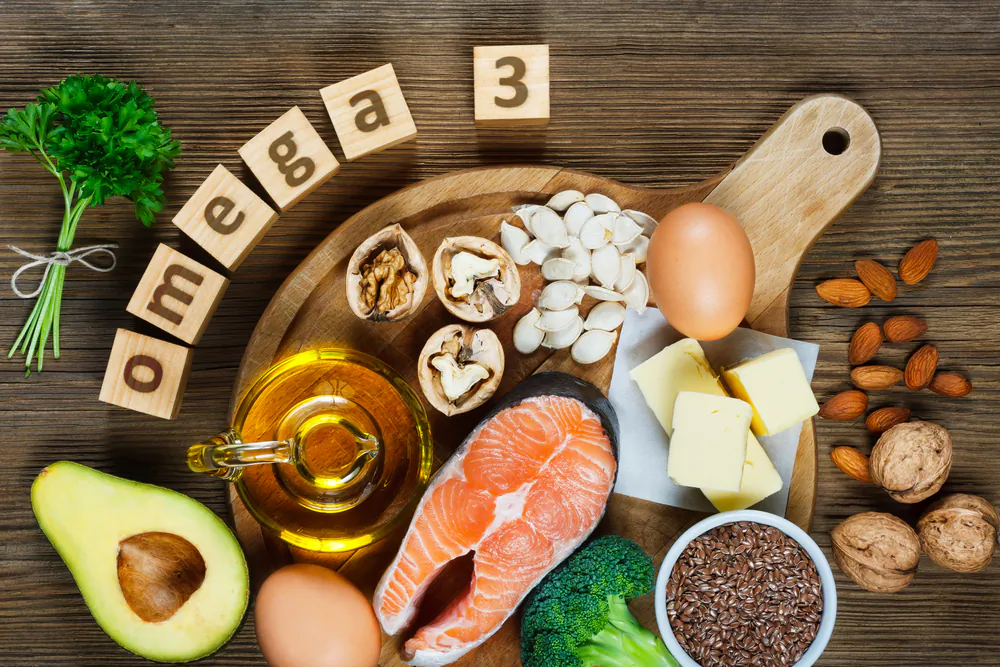
In an ideal world, omega-3 needs would be met entirely through food. Traditionally, populations that consumed small, fatty fish, sea vegetables, and minimally processed diets maintained far healthier omega-3 balances.
The modern Western diet looks very different.
Today’s typical diet is heavily skewed toward omega-6 fats from refined vegetable oils and ultra-processed foods, while being notably low in omega-3-rich foods. This imbalance not only reduces omega-3 intake but actively interferes with how omega-3s are utilized in the body.
Even when people make a conscious effort to eat more fish, new challenges emerge:
- Contamination concerns: Large fatty fish such as salmon are among the most contaminated foods globally due to bioaccumulation of pollutants, including heavy metals and persistent organic compounds.
- Inconsistent potency: The omega-3 content of fish varies widely depending on species, sourcing, and farming practices.
- Practical limits: Reaching clinically meaningful DHA levels through food alone would require frequent, large servings of fatty fish—often impractical, costly, or undesirable for many individuals.
For these reasons, nutrition researchers increasingly recognize that diet alone may no longer be sufficient to restore optimal omega-3 status in the modern food environment—particularly for older adults focused on preserving cognitive and cardiovascular health.
 (Source: Ora Organic)
The Problem With Traditional Omega-3 Supplements
Given these benefits, many people turn to omega-3 supplements. Yet outcomes are often inconsistent, leading some to conclude that omega-3s don’t work.
The missing piece is absorption.
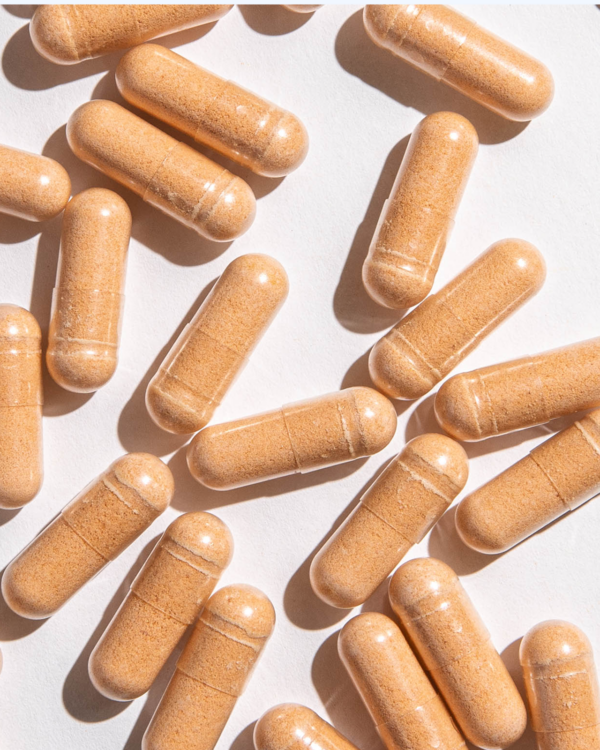
Most conventional fish oil supplements use ethyl ester forms of omega-3s. These require multiple digestive steps and are highly dependent on meal timing and dietary fat. As a result, a significant portion of the DHA never reaches circulation.
This means that many people may be swallowing capsules daily while absorbing only a fraction of the intended dose.
 (Source: Ora Organic)
Why Absorption Changes Everything
Newer research has shifted focus from dosage alone to bioavailability—how much of a nutrient actually enters the bloodstream and becomes usable. (ScienceDirect)
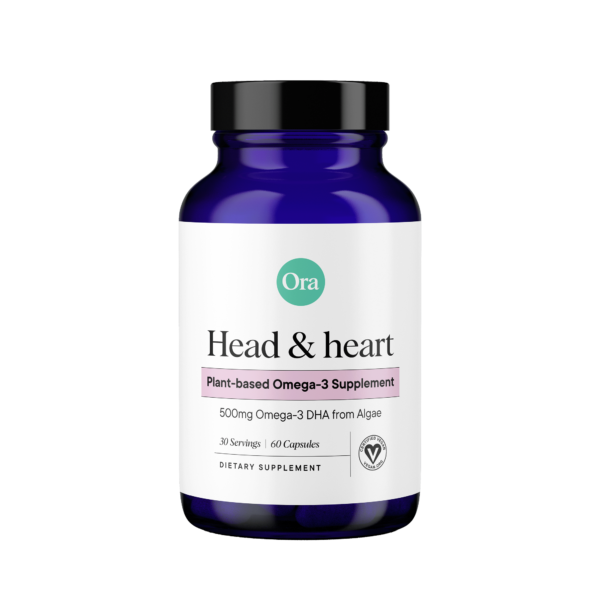
Ora’s Head & Heart Omega-3 addresses this problem by using a next-generation, algae-derived DHA in a free fatty acid form. In human clinical research, this format demonstrated up to five times higher absorption into the bloodstream compared with traditional ethyl ester fish oil omega-3s.
This means:
- More DHA reaches the brain, heart, and eyes
- Less reliance on meal timing
- Greater consistency in blood omega-3 levels
For individuals focused on prevention rather than reaction, absorption is not a technical detail—it is the difference between theoretical benefits and real-world impact.
Going Back to the Source
Fish do not produce omega-3s. They accumulate them by eating algae.
By sourcing DHA directly from algae, Head & Heart Omega-3 bypasses many challenges associated with fish oil, including contamination, oxidation, and digestive discomfort. The algae are grown in controlled, closed-loop systems, reducing exposure to environmental toxins and ensuring consistency.
Each serving delivers a meaningful dose of DHA designed to support cognitive, cardiovascular, and visual health.
A Nutrient for Long-Term Independence
As Americans live longer, the question is no longer just lifespan—but healthspan. Preserving memory, cardiovascular strength, and visual clarity determines whether added years are lived with independence or limitation.
Omega-3 deficiency doesn’t announce itself. But over time, it quietly undermines the systems we rely on most.
Restoring omega-3 balance—early, consistently, and in a form the body can truly absorb—may be one of the most practical steps available to protect both head and heart in the decades ahead.
Take Action Today
To help you bridge this nutritional gap, Ora is offering 30% off your first purchase of Head & Heart Omega-3, a highly bioavailable algae-derived DHA supplement shown to be up to five times more absorbable than traditional fish oil.† This is designed to support cognitive longevity, cardiovascular resilience, and visual health—so you can age with confidence and clarity.
👉 Claim your 30% first-time discount and start protecting your head and heart today.
References
- “A large part of the global population does not meet recommended omega-3 levels,” NutritionInsight (Dec 2025). (nutritioninsight.com)
- “DHA’s role in healthy aging, neuroprotection, and macular health,” Nutrition Research Reviews (2016). (Cambridge University Press & Assessment)
- Omega-3 fatty acids and cardiovascular health overview, NIH Office of Dietary Supplements. (Office of Dietary Supplements)
Evidence overview on long-chain omega-3 supplements and bioavailability differences. (ScienceDirect)
 Friends Read Free
Copy
Facebook
Tweet
Friends Read Free
Copy
Facebook
Tweet