This article includes affiliate links, which may earn us a commission, to support truthful and independent journalism (at no extra cost to you).
Food preservation is an essential skill everyone should know. Being able to store fruits, vegetables, meats, and other foods safely not only helps reduce waste but can also be crucial in emergencies or when fresh food isn’t readily available. Other than keeping your pantry stocked with non-perishables, this skill is often overlooked as a survival asset.
Whether you’re preparing for a busy week, seasonal changes, budgeting, or want to explore new options in the kitchen, a few simple tools can help you get started in the following categories:
- Dehydrating
- Pickling
- Fermenting
- Smoking and Curing
- Vacuum Sealing
- Freezing
Dehydrating
A dehydrator is a versatile tool for turning fruits, vegetables, and even herbs into long lasting ingredients or even snacks. You can make a variety of items, not just for emergencies, but also to stock up the pantry with treats or prepare for a camping trip.
This method can be used to make ingredients like dried herbs and seasonings to add to soups, granola, or baked goods.
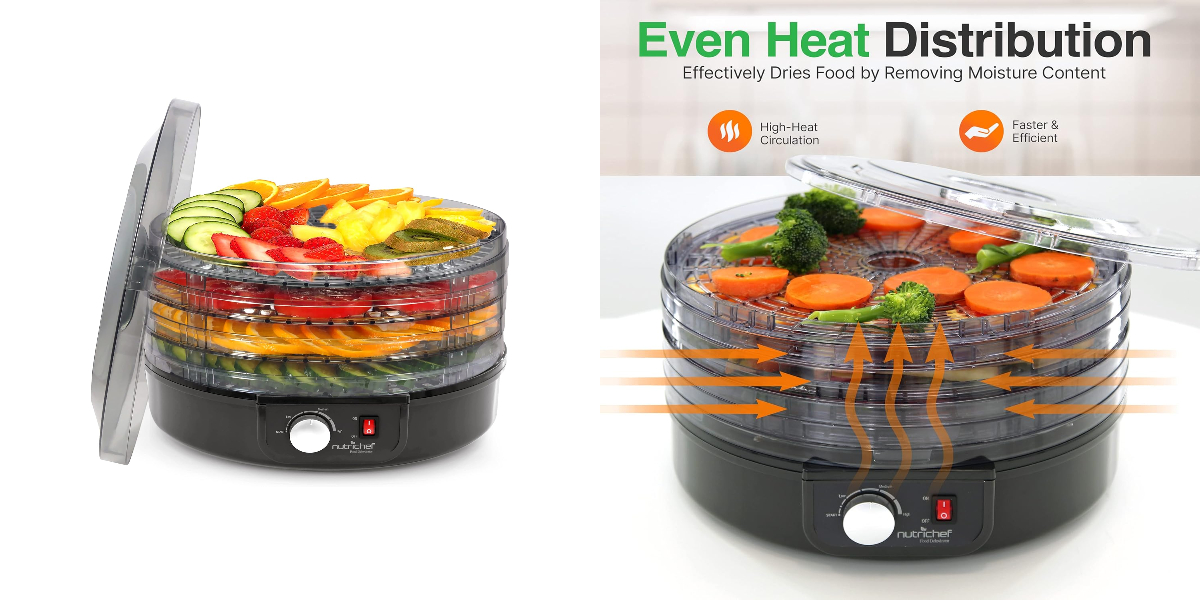
This dehydrator from Nutrichef has 5 removable and stackable trays with even temperature and precise control up to 180°F. The efficient preservation locks in up to 97% of nutrients. One button operates the machine, making it easy to use for anyone.
$64.99 from Amazon
(Price at Time of Publishing)
Ideas:
- Fruit chips
- Jerky
- Herbs for cooking
- Vegetable chips
Having an excess of produce can be stressful if sharing with others isn’t enough, but a dehydrator makes it easy to handle. This is especially helpful if you have fruit trees and often can’t finish all of the yields before it spoils. Something made frequently in my household is dried guavas and dried jujubes, which can be used like an herb in soups and teas.
You can still dry food without a dehydrator by finding a nice sunny spot outside when the weather is dry and warm. If you decide to go the sun-dried route, be sure to protect your produce with a mesh covering and place it somewhere off the ground so insects and animals can’t reach it. In the evening, bring the food inside so the overnight condensation doesn’t undo your work. Another option is to use the convection oven on the lowest temperature, and turn on the fan if available.
Pickling
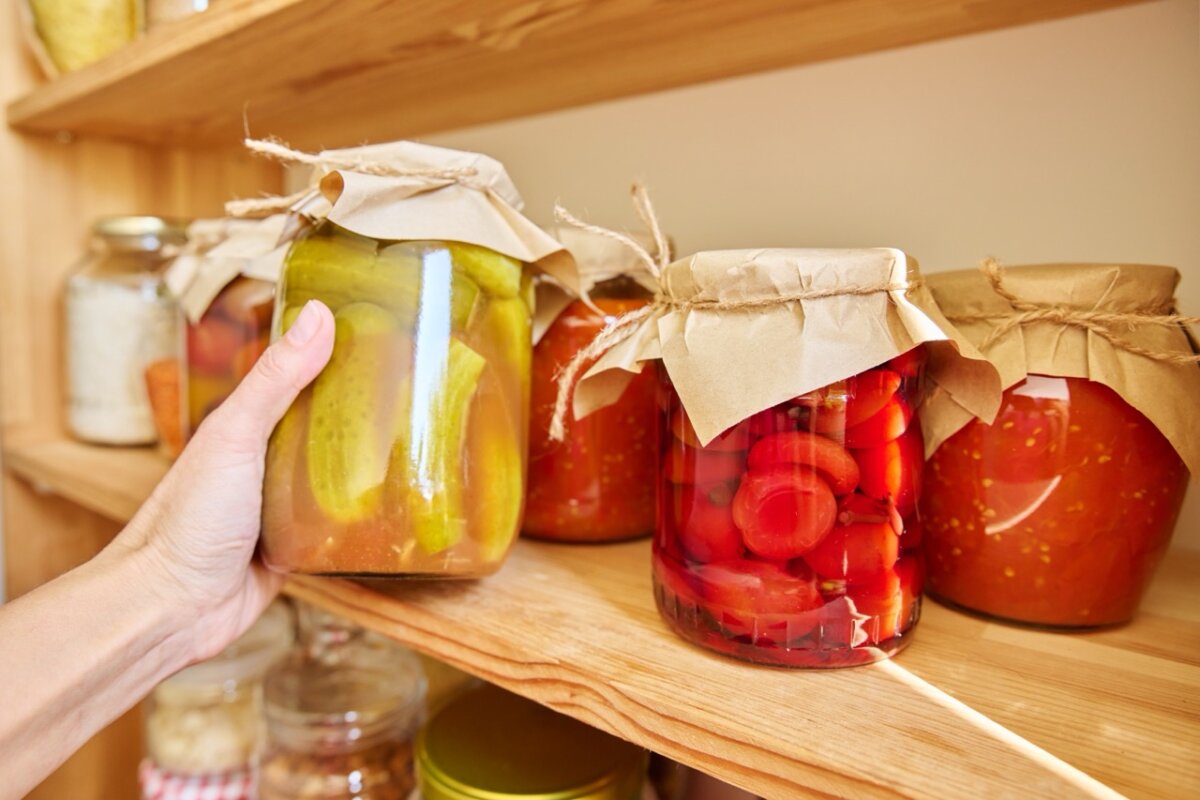
Pickling is a classic way to preserve produce while adding bold flavors. All you need are jars, vinegar, sugar or salt, and your favorite veggies, herbs, and peppers for flavoring. Here’s a starter kit for anyone who doesn’t have the materials to get started:
Ideas:
- Cucumbers, carrots, peppers, or broccoli stems
- Pickled onions for salads, tacos, or sandwiches
- Pickled fruits like watermelon rind, peaches, and apples
- Eggs
During times when inflation squeezes our budgets, we need to squeeze the kitchen a bit too. However, reducing kitchen waste is always a great habit to have regardless of financial or emergency situations.
It’s easy to take for granted the blessings the earth gives us every day by letting food spoil or end up in a landfill. Besides, many people might not realize that scraps, such as broccoli stems, make great pickles!
Fermenting
Fermentation uses natural bacteria or yeasts to convert sugars into acids, alcohol, or gases, which prevents spoilage and gives food unique flavors. Fermented foods can last months when stored properly and often get more flavorful over time. Beyond preservation, they’re also packed with probiotics that support gut health.
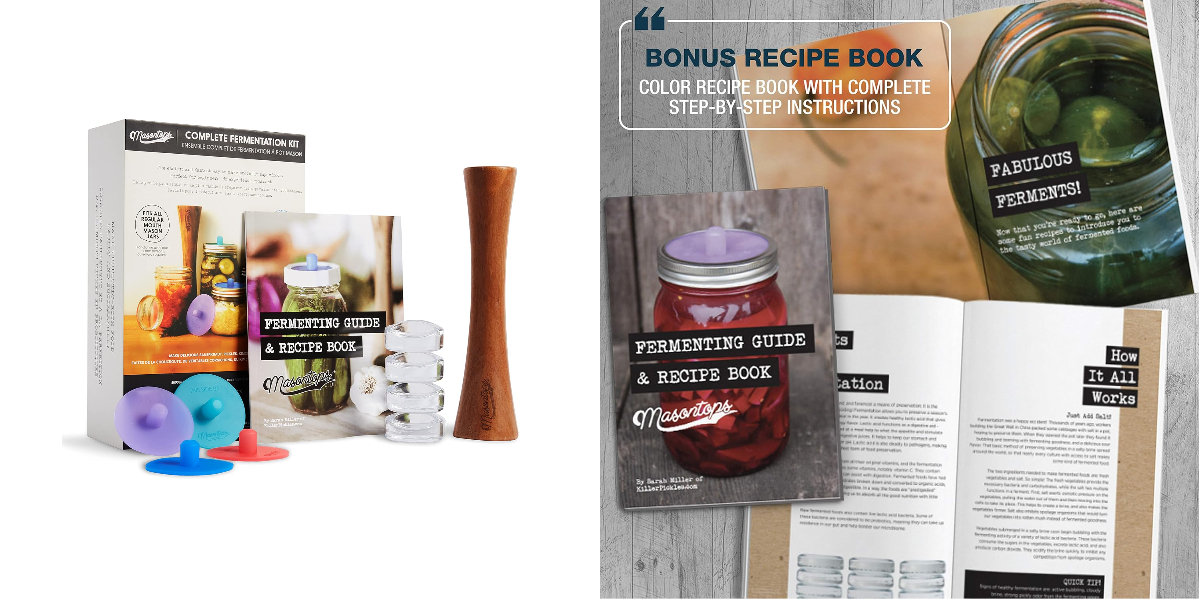
This Masontops starter kit makes small-batch fermenting easy. Designed for regular-mouth mason jars, it includes four airlock lids, four glass weights, an acacia tamper, and a bonus recipe book. The self-venting lids release gas automatically, so no burping or monitoring needed.
$49.99 from Amazon
(Price at Time of Publishing)
Ideas:
- Cabbage (kimchi, sauerkraut)
- Cucumbers (traditional brine pickles)
Jarring and Canning
Jarring and canning are a great way to preserve jams, sauces, and cooked vegetables for long-term storage. Traditional heat-based canning kills bacteria and creates a vacuum seal so foods can stay shelf-stable for months. You can also use vacuum-sealed jars without heat for shorter-term storage in the fridge.
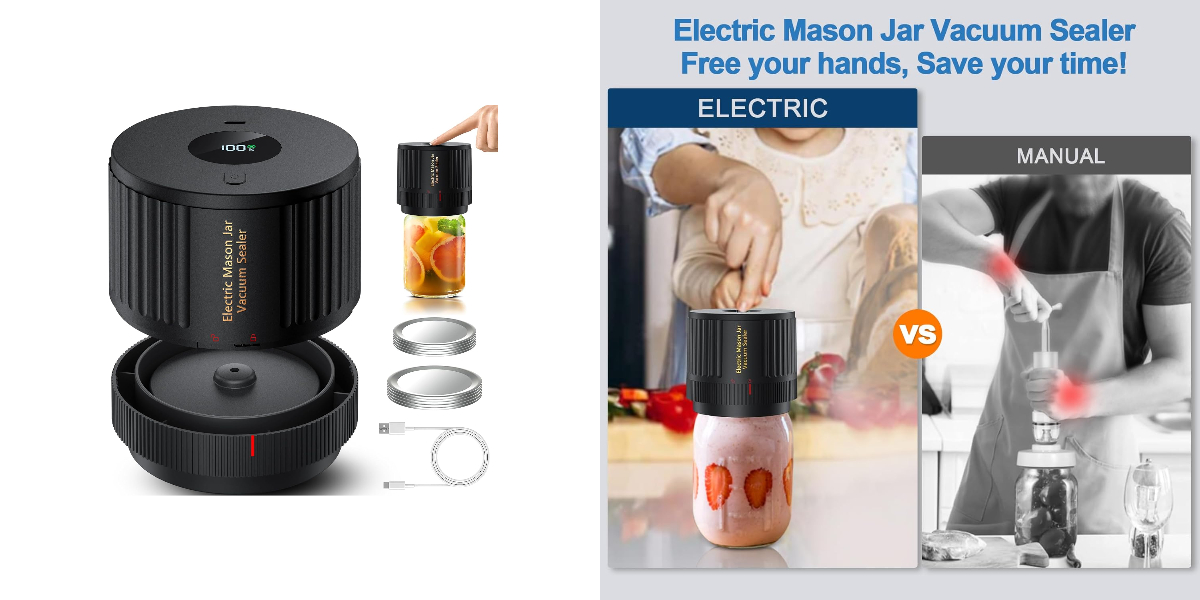
Remember to vacuum seal your canned items, like pickles or jam, to ensure an airtight seal for freshness. This electric Mason jar vacuum sealer kit works with both wide and regular-mouth jars. It includes the sealer, two lid sizes, a converter, and a user guide, making it easy to remove air and extend food freshness. The cordless design frees your hands—just press a button and wait about 40 seconds for a complete seal.
$23.99 from Amazon
(Price at Time of Publishing)
Ideas:
- Fresh fruit jams and jellies
- Tomato sauce
- Cooked vegetables
- Beans
With proper sealing, your spreads, sauces, and preserves stay fresh, flavorful, and ready to enjoy whenever you need them, making this method a versatile addition to any food preservation routine.
Curing
Curing is a classic way to preserve meat, fish, and some cheeses using salt, sugar, or special curing salts. The process draws out moisture and slows bacterial growth, making foods last much longer.
After curing, many people choose to smoke their foods for added flavor and a minor preservation boost, but smoking by itself doesn’t reliably preserve food.
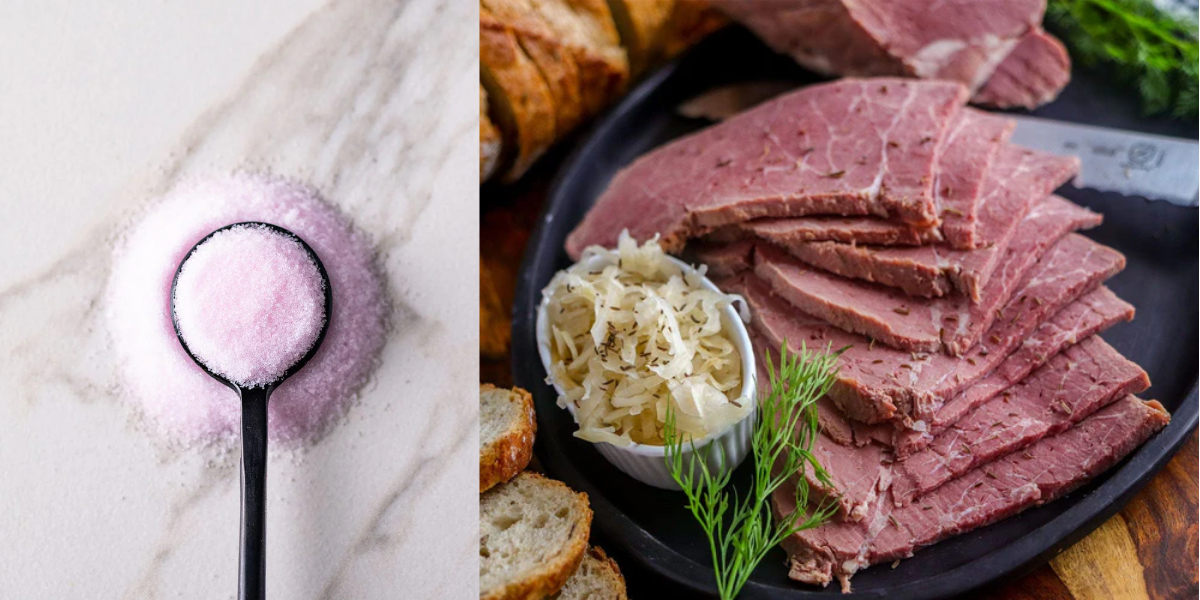
Savory Spice’s Curing Salt locks in classic cured meat flavor while keeping your meat safe. Made with a precise mix of salt and sodium nitrite, it preserves meat and prevents harmful bacteria. Use it in brines or mix directly with meat before grinding for even results. Always follow a trusted recipe — too much can be toxic, and never taste it on its own.
$6.99 from Savory Spice
(Price at Time of Publishing)
Ideas:
- Bacon and ham
- Salami and other dry sausages
- Salmon or trout
- Hard cheeses like cheddar or gouda
Properly cured foods stay safe and flavorful for weeks to months, and smoking adds rich, complex flavors that elevate your homemade preserved meats. Whether you keep them in the fridge, freezer, or hang them to age, curing is a versatile technique that’s been used for centuries to make proteins last longer before modern refrigeration.
Vacuum Sealing
Vacuum sealing is an easy way to extend the shelf life of your foods. It’s perfect for storing meats, cheeses, and even leftovers without worrying about freezer burn or bacterial growth. You can also portion out meals for meal prep or save money by buying in bulk and keeping it fresh for months.
Keep in mind some foods may change in texture or color when frozen.
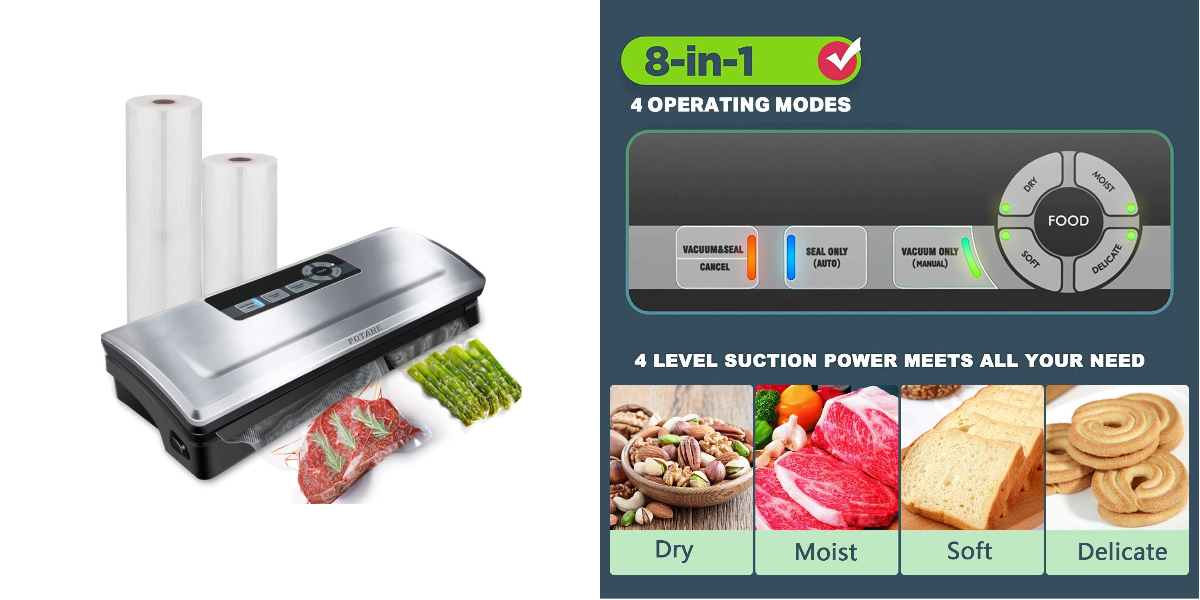
This vacuum sealer has powerful sealing and smart controls. Its 8-in-1 design includes four food modes for dry, moist, soft, and delicate items. The sloping top prevents liquid messes while maximizing bag use, and the durable build uses enhanced heating wires and a brushless motor. ETL certified for safety, it’s backed by a 2-year return policy and 5-year warranty.
$79.99 from Amazon
(Price at Time of Publishing)
Freezing
Freezing is one of the most basic preservation methods. It keeps ingredients fresh for months, helps with meal prep, and can save money by buying seasonal produce in bulk. If conditions are suitable, many households may keep an extra freezer in the house for storage purposes. I tend to marinate various meats before freezing them so I can save time and just take it out to defrost.
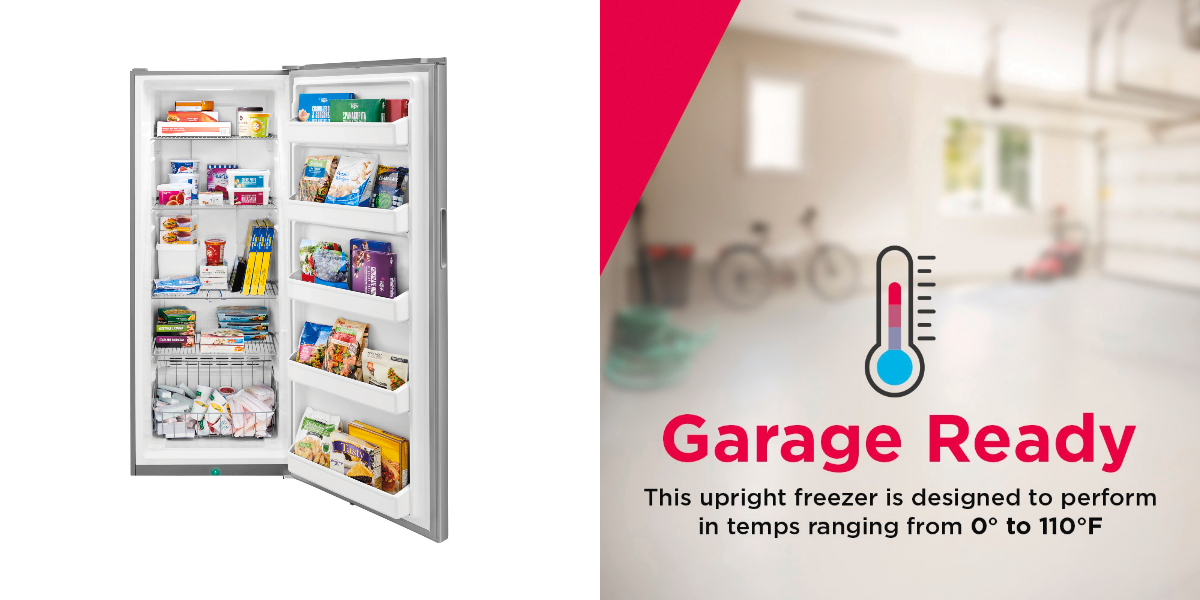
The Frigidaire 16 cu. ft. upright freezer is garage-ready and keeps food frozen even during power outages for 2 days. Its EvenTemp™ Cooling System ensures consistent temperatures, while the flexible interior makes organizing easy. An audible alarm will alert if the door is left open or if the temperature rises, helping protect your food. This freezer is perfect for families needing extra storage for long-term or bulk frozen items.
$748 $999 from Frigidaire
(Price at Time of Publishing)
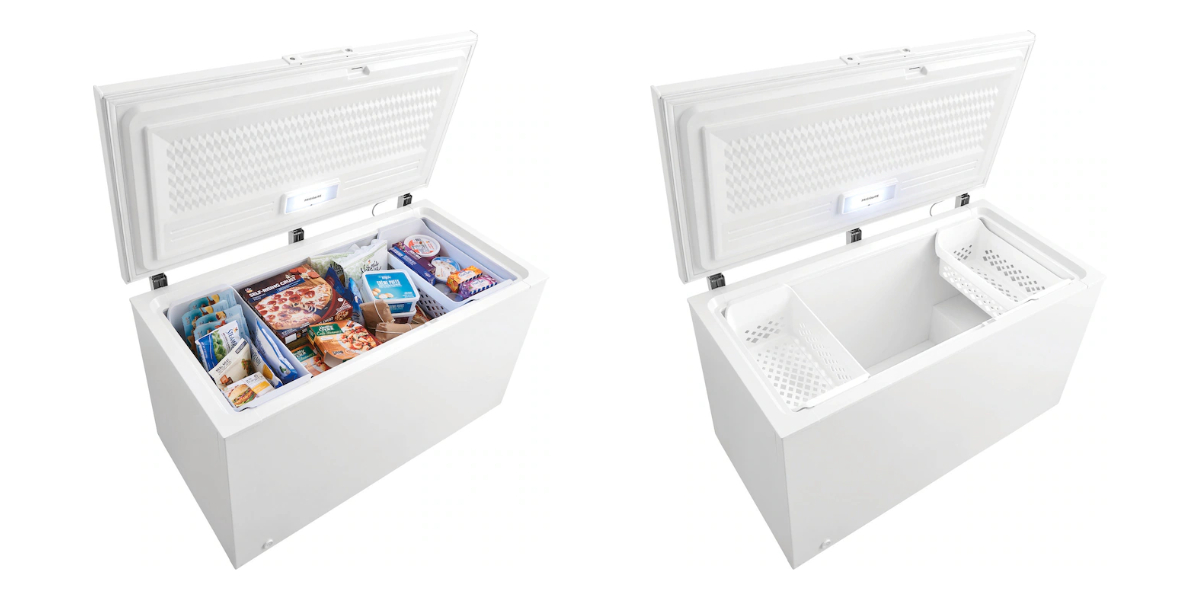
If you prefer a chest freezer, this one with 15 cu. ft. has removable baskets, LED lighting, exterior controls, and a lockable door. Its garage ready and designed to handle temperatures from 0°F to 110°F to perform year-round.
$648 $799 from Frigidaire
(Price at Time of Publishing)
Getting Started
It may seem tedious but starting with one method or recipe at a time will help. You should get comfortable with the process and ingredient proportions (if pickling), and test a smaller amount of food first to make sure it’s done correctly. Otherwise, you could accidentally spoil a large batch. Over time, you can experiment with different foods and techniques.
For more inspiration and practical recipes, check out this cookbook by Mary Bryant Shrader about preserving food, and read her article here. And if you’re interested in broader survival prep, don’t miss our Natural Disaster Essentials Guide for items to keep on hand or in a go bag for the house.