
Sponsored Content by Ora Organic. This article includes affiliate links, which may earn us a commission, to support truthful and independent journalism (at no extra cost to you).
Pickleball tournaments, long weekend runs, early morning lifts, whatever your routine looks like, one truth remains the same: movement is non-negotiable.
But staying in motion isn’t always easy.
Especially as we age, sore muscles, stiff joints, and lingering aches can slow down even the most dedicated athlete. That’s why recovery has become just as important as training itself.
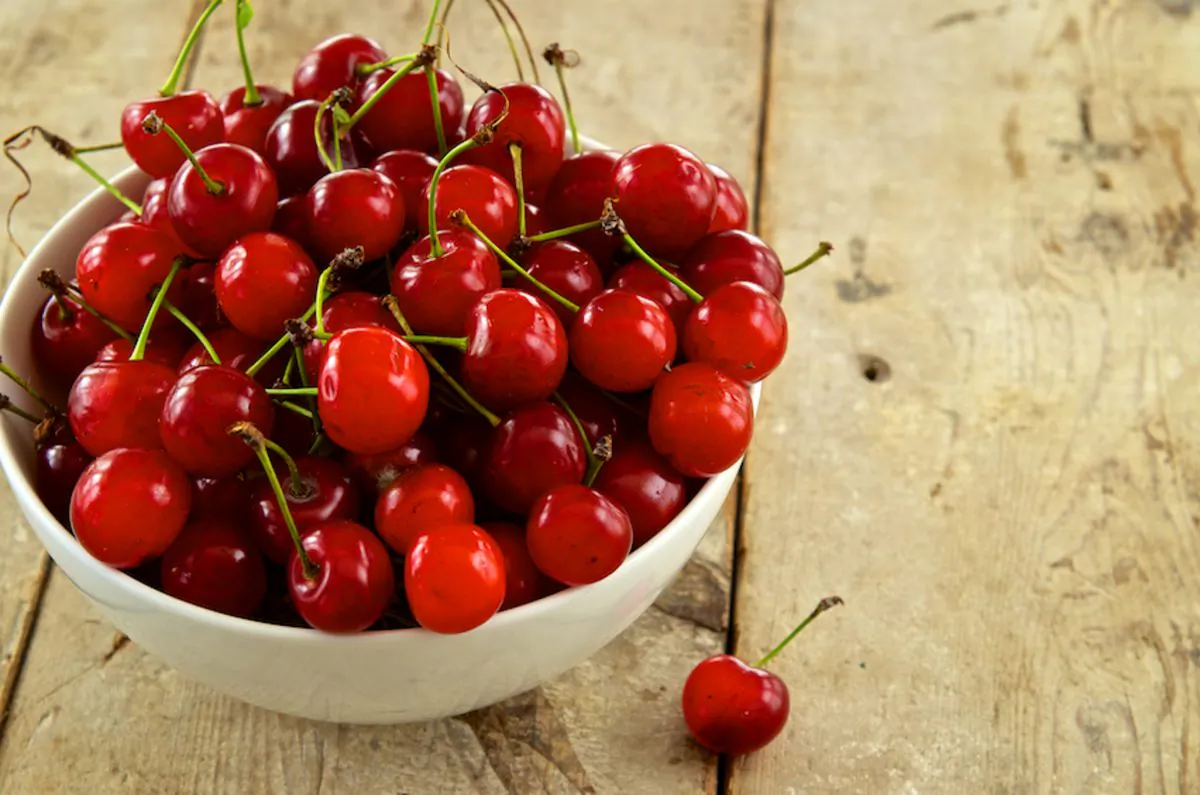
Among the many natural solutions studied for supporting recovery, one fruit stands out: tart cherry. Long valued for its rich color and tangy bite, tart cherry has earned a new reputation beyond the kitchen — as one of the most researched foods for easing soreness, supporting joint comfort, and helping people stay in motion.
What Exactly Is Tart Cherry?
Tart cherries (Prunus cerasus), also known as sour cherries, are a small, deep red fruit that differs from the sweet cherries commonly found in most grocery store aisles. Their real power lies in their high concentration of polyphenols, particularly anthocyanins, the natural plant pigments that give cherries their vivid red hue.
Anthocyanins act as powerful antioxidants and inflammation modulators. These compounds have been shown to:
- Reduce oxidative stress caused by exercise and aging
- Influence inflammatory pathways linked to soreness and joint pain
- Support vascular function and blood flow
When paired with other phytonutrients in tart cherry, these effects create a compelling case for why this fruit has been studied in both sports science and clinical medicine.
The Science Behind Tart Cherry
Research on tart cherry has moved far beyond anecdotal evidence. Three landmark areas of study stand out: exercise recovery, joint health, and muscle damage from high-intensity activity.
“Precovery” and Recovery
One of the most comprehensive reviews on tart cherry and exercise recovery was published by McHugh and colleagues in 20221. Instead of looking only at how tart cherry helps after workouts, the authors highlighted its unique role in precovery, the idea of supplementing before intense activity to reduce soreness and damage later.
Across numerous clinical trials, tart cherry juice or powder taken in the days leading up to strenuous exercise was linked to:
- Reduced muscle soreness during the recovery window
- Faster restoration of muscle strength and power
- Lower markers of oxidative stress and inflammation
This “precovery effect” is what sets tart cherry apart. Instead of simply masking soreness, it helps the body mount a more resilient response to exercise stress in the first place.
Joint Comfort and Osteoarthritis
Tart cherry’s benefits don’t stop at the gym. Its polyphenols have also been studied in populations experiencing chronic joint pain.
A randomized, double-blind crossover study led by Schumacher et al. tested tart cherry juice in patients with mild to moderate knee osteoarthritis2. Over six weeks, participants who consumed tart cherry juice experienced:
- Meaningful improvements in joint stiffness and pain
- Reductions in high-sensitivity C-reactive protein (hs-CRP), a blood marker of inflammation
While not every metric reached statistical significance compared to placebo, the study suggested that tart cherry could offer safe, natural support for individuals managing long-term joint discomfort. This finding reinforced the idea that tart cherry works across both acute (exercise-induced) and chronic (osteoarthritis-related) forms of inflammation.
Exercise-Induced Muscle Damage
A 2025 meta-analysis published in the Annals of Medicine & Surgery pulled together results from 10 randomized controlled trials on tart cherry juice and exercise-induced muscle damage (EIMD)3. The findings were clear:
- Strength Recovery: Participants supplemented with tart cherry showed an average 9.1% improvement in maximal voluntary isometric contraction (MVIC), a key measure of muscle function after damage.
- Inflammation Markers: Levels of pro-inflammatory cytokines IL-6 and IL-8 were significantly reduced.
- Muscle Soreness: Results were mixed, with some studies reporting reduced soreness scores and others showing minimal differences.
Taken together, these outcomes point to tart cherry’s capacity to reduce underlying muscle damage and inflammation, even if the perception of soreness is sometimes more subjective.
Why the Research Matters
When viewed together, these studies tell a consistent story. Tart cherry doesn’t work like a stimulant or a quick fix. Instead, it addresses the deeper biological stressors that come with both exercise and aging: oxidative stress, inflammation, and impaired muscle recovery.
- For athletes, this means bouncing back quicker between training sessions.
- For active adults, it supports the ability to keep moving without being sidelined by soreness.
- For older populations, it suggests potential long-term support for joint comfort and function.
It’s a rare case where one natural ingredient has been studied across performance, recovery, and joint health and has shown meaningful results in all three.
 (Source: Ora Organic)
The Smarter Way to Add Tart Cherry to Your Routine: Ora’s Longevity League
Here’s the catch: not all tart cherry products deliver these benefits equally.
Juices can be high in sugar and calories, making daily use less practical. Capsules and powders vary widely in quality, and many don’t disclose the concentration of anthocyanins. On their own, they also don’t provide the protein, enzymes, or additional nutrients your body needs for full recovery.
That’s why Ora created Longevity League, a protein that works for both strength and recovery.
Your body does more than lift, push, or sprint; it carries you through every part of your day. Longevity League was designed with that same principle: to support not just muscle, but the entire system that keeps you moving.
- Fuels Muscles: With 24g of organic plant protein per serving, Longevity League provides the clean fuel your muscles need to repair and rebuild stronger after every workout.
- Supports Joints: Organic tart cherry delivers the anthocyanins shown in research to reduce exercise-induced soreness, support joint comfort, and help you recover faster. By combining this with protein, Longevity League tackles both the cause of soreness and the rebuilding process.
- Boosts Absorption: Not all protein is created equal. That’s why Longevity League includes ProHydrolase®, a clinically studied enzyme blend that helps break protein down into usable peptides, so your body gets more from every scoop without heaviness or bloat.
- Clean and Conscious: Free from gums, fillers, and artificial extras, Longevity League is built for the long game. Every ingredient is chosen with performance and sustainability in mind.
The result is a protein that doesn’t just check the box on grams of protein. It supports strength, recovery, and resilience all at once.
Staying in Motion with Ora
Movement is freedom.
Whether it’s a daily workout, a long hike, or simply keeping up with family, staying in motion depends on how well your body recovers. Tart cherry is one of the most researched natural tools for supporting that recovery, and its benefits span from easing post-exercise soreness to supporting long-term joint health.
With Longevity League, you get those proven benefits alongside clean protein and enhanced absorption, a formula designed not just for today’s workout but for the years of movement ahead.
Protect your strength. Support your joints. Stay in motion.
And to make the first step easier, Ora is offering 25% off your first order of Longevity League Protein. Try it for yourself and feel the difference that complete recovery can make in how you train, how you move, and how you show up every day.
Sources:
- McHugh MP. “Precovery” versus recovery: Understanding the role of cherry juice in exercise recovery. Nutrients. 2022. Link
- Schumacher HR, Pullman-Mooar S, Gupta SR, et al. Randomized double-blind crossover study of the efficacy of a tart cherry juice blend in treatment of osteoarthritis (OA) of the knee. Osteoarthritis and Cartilage. 2013. Link
- Dehghani E, Beba M, Danandeh K, et al. The effect of tart cherry juice (TCJ) supplementation on exercise-induced muscle damage (EIMD) in an athletic population. Annals of Medicine & Surgery. 2025. Link
| †These statements have not been evaluated by the Food and Drug Administration. This product is not intended to diagnose, treat, cure, or prevent any disease. |
 Friends Read Free
Copy
Facebook
Tweet
Friends Read Free
Copy
Facebook
Tweet