This article includes affiliate links, which may earn us a commission, to support truthful and independent journalism at no extra cost to you. Prices, discounts, product details, and availability can change; verify current terms before buying.
What does non-toxic bedding actually mean?
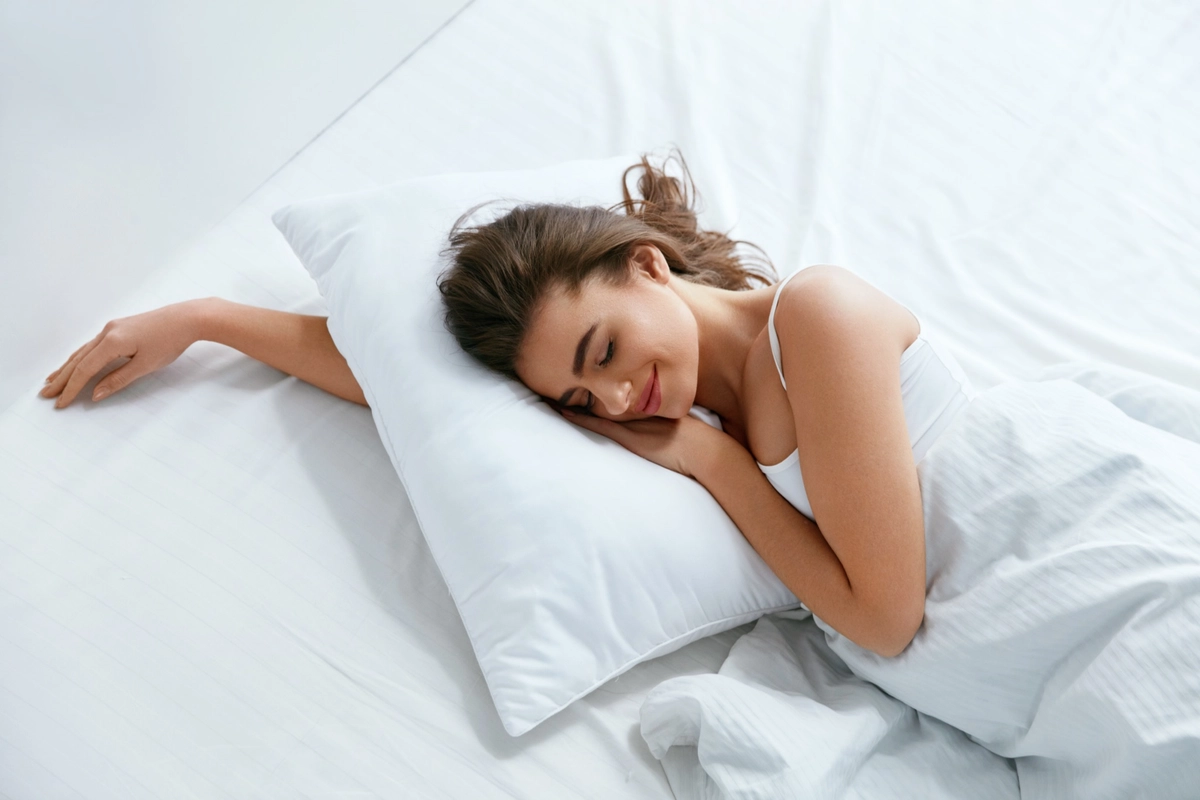
You spend roughly a third of your life in bed. That means your sheets, pillowcases, and duvet covers are in closer, longer contact with your body than almost anything else you own. Most mass-market bedding is made from conventionally grown cotton or synthetic polyester, both of which can carry a load of chemical residues or synthetic finishes. These are the concerns shoppers most often try to avoid when choosing cleaner bedding:
So what makes bedding truly non-toxic?
Non-toxic bedding is not just a marketing label. The strongest choices combine cleaner raw materials, lower-impact processing, and third-party certification.
What to look for
- Natural fibers such as linen, organic cotton, bamboo lyocell, eucalyptus lyocell, or silk.
- OEKO-TEX Standard 100 certification, which indicates testing for harmful substances in the finished textile.
- GOTS certification for organic cotton, especially when farm-to-finished-fabric transparency matters.
- No formaldehyde-based wrinkle treatments or synthetic finish coatings.
- Low-impact, azo-free, or naturally derived dyes.
- No polyester, nylon, or synthetic fiber blends when avoiding microplastic shedding is a priority.
- No chlorine bleaching when lower-impact alternatives are available.
Every fabric in this guide is a natural fiber and is available in certified non-toxic versions. Four are plant-derived; silk is animal-derived and may not fit vegan or animal-welfare priorities.
Why non-toxic bedding matters even more in summer
Heat amplifies everything. When your body temperature rises during warm nights, you perspire more, and bedding sits against warm, damp skin for hours. If the fabric is heavily finished or synthetic, that can make irritation, odor, and trapped heat feel worse.
The solution is twofold: choose fabrics that keep you physically cool and choose materials that avoid the chemical finishes and synthetic blends that become more noticeable in warm, sweaty conditions. The five materials in this guide are the strongest summer candidates because they pair airflow, moisture management, and cleaner certification pathways.
Best non-toxic bedding fabric by sleep need
| Need | Best first fabric | Why it fits |
|---|---|---|
| Maximum airflow in humid heat | Linen | Loose weave, fast evaporation, and a naturally textured feel that improves with washing. |
| Family-friendly clean bedding | GOTS organic cotton | Easy care, widely available, and familiar against the skin. |
| Night sweats and cool-to-touch softness | Bamboo lyocell or certified bamboo viscose | Silky feel with strong moisture movement, especially when the processing is verified. |
| Eco-forward cooling | Eucalyptus / TENCEL lyocell | Closed-loop lyocell production and a very smooth, breathable surface. |
| Skin and hair friction reduction | OEKO-TEX certified silk | Luxuriously smooth surface, best for pillowcases or moderate summer climates. |
Linen: the breathable classic
Made from flax plant fibers, linen has been used for bedding for thousands of years. Its hollow fibers and naturally open weave promote airflow and pull moisture away from skin quickly. Flax can also be grown with relatively low inputs, making linen one of the cleanest natural bedding options available.
Linen
Flax-derived · breathable · softer with every wash
Linen sleeps cool thanks to its breathable weave and superior moisture movement. It is often described as crisp or textured when new, then increasingly soft and draped over time. For shoppers who want minimal processing, durability, and summer airflow, linen is the first fabric to compare.
Health and non-toxic benefits of linen
- Reduces friction over time:linen becomes smoother with washing and can suit sleepers who dislike clingy or synthetic sheets.
- Fast drying:moisture evaporates quickly, which helps the bed feel fresher in summer.
- Temperature support:breathable airflow can reduce overheating-related sleep disruption.
- Natural fiber profile:100% linen sheds no plastic fibers in the wash.
- Strong longevity:quality linen can last for years, reducing replacement frequency.
Pros
- Exceptionally breathable.
- Gets softer with every wash.
- Very durable.
- Made from flax, a relatively low-water crop.
Cons
- Wrinkles easily.
- Can feel rough when new.
- More expensive upfront.
- Texture is not for everyone.
Best for hot sleepers, humid climates, sensitive skin, and eco-conscious buyers.
Best linen sheets
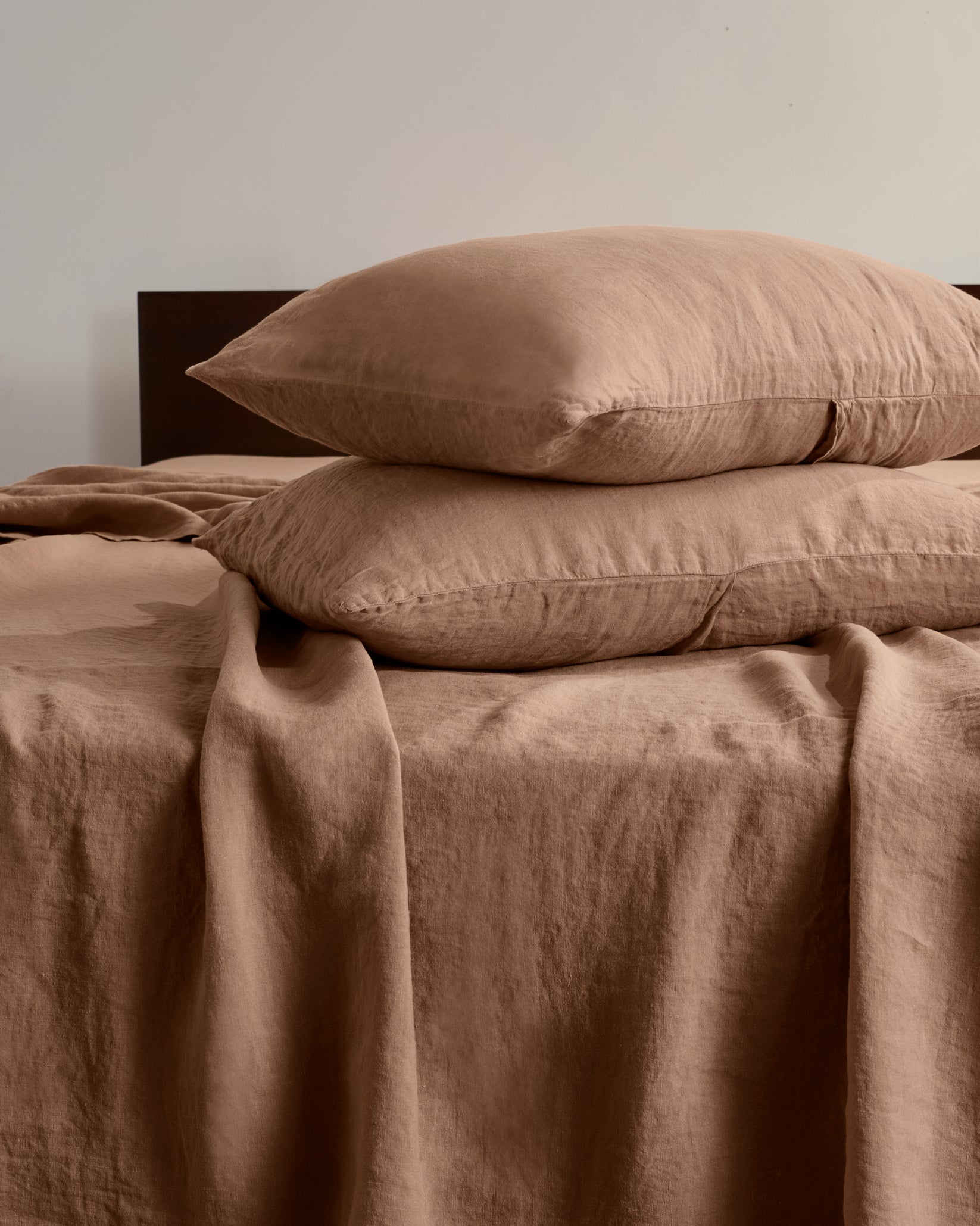

Also consider:Avocado$494$549/ Queen;Quince$184$379/ Queen;Peacock Alley$580 / Queen.
Organic cotton: the reliable all-rounder
Cotton is the world’s most popular bedding material, but not all cotton qualifies as non-toxic. Conventional cotton can be chemically intensive. For cleaner bedding, look for GOTS-certified organic cotton in a crisp percale weave, which supports airflow and verifies stronger material and processing standards.
Organic cotton
GOTS-certified · percale weave · the safe standard
Percale organic cotton is crisp, cool, and matte: the classic luxury hotel feel, usually in the 200-400 thread count range. Unlike conventional cotton, GOTS certification gives shoppers a stronger standard for organic fiber and restricted chemical processing.
Health and non-toxic benefits of organic cotton
- Organic standard:GOTS certification supports pesticide-free organic growing and controlled textile processing.
- Gentle feel:familiar cotton fibers are easy for families, babies, and sensitive sleepers to accept.
- Good absorbency:cotton handles moisture reliably, especially in a breathable percale weave.
- No synthetic off-gassing:100% organic cotton avoids plastic fiber blends and heavy synthetic finishes.
- Easy laundering:cotton is simpler to wash and dry than silk, linen, or some lyocell sheets.
Pros
- Widely available and often affordable.
- Soft from the start.
- Very easy to care for.
- Good for families and first-time buyers.
Cons
- Not as durable as linen.
- Sateen weaves can trap more heat.
- Must be certified organic to meet the non-toxic standard here.
- Lower-quality versions may pill.
Best for families, first-time natural bedding buyers, and combination climates.
Best organic cotton sheets


Bamboo: the cool-sleep innovator
Bamboo fabric is derived from bamboo pulp and processed into viscose or lyocell fibers. For the cleanest option, look for bamboo lyocell made through a closed-loop process. Bamboo viscose can still be a practical choice when the finished fabric is OEKO-TEX Standard 100 certified, because certification helps verify that harmful residues are not present in the final textile.
Bamboo
Lyocell or certified viscose · silky-smooth · thermoregulating
Bamboo sheets are known for a cool-to-the-touch, silky feel. Their main advantage in summer is moisture movement: they can feel less clammy than heavier cotton, especially for sleepers dealing with night sweats or hot flashes.
Health and non-toxic benefits of bamboo
- Cool-to-touch comfort:bamboo sheets are often chosen by hot sleepers who dislike crisp cotton.
- Fast moisture movement:the fabric can help reduce dampness that contributes to odor and discomfort.
- Smooth surface:the silky feel can reduce friction for acne-prone or easily irritated skin.
- Certification matters:OEKO-TEX or equivalent testing is especially important because bamboo processing methods vary.
- Closed-loop preference:bamboo lyocell is the cleaner processing route to prioritize when available.
Pros
- Naturally cool-feeling.
- Silky-smooth texture.
- Excellent moisture movement.
- Useful for hot sleepers and night sweats.
Cons
- Requires gentle washing.
- Can wrinkle if tumble-dried.
- Viscose processing varies by brand.
- Pricier than standard cotton.
Best for night sweats, hot sleepers, acne-prone skin, and eco-conscious buyers who verify processing.
Best bamboo sheets
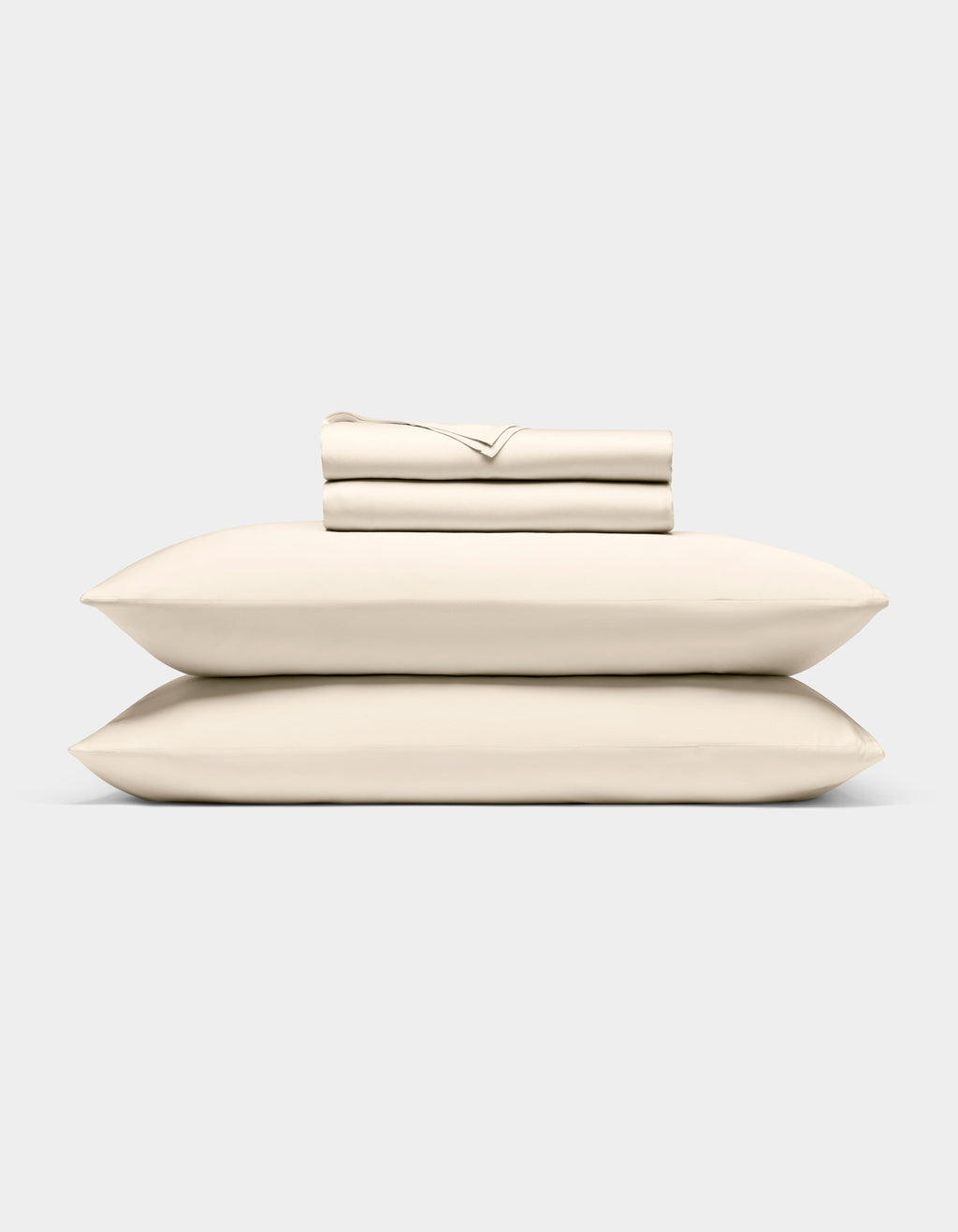

Also consider:Quince$134$308/ Queen.
Eucalyptus / TENCEL: the sustainability superstar
Eucalyptus lyocell, often sold under the TENCEL brand, is made from wood pulp through a closed-loop process that recycles water and solvents. It feels silkier than cotton and often cooler than heavier bamboo viscose, with a smooth surface that appeals to sensitive-skin sleepers.
Eucalyptus / TENCEL lyocell
Lyocell fiber · closed-loop production · silky and cool
Eucalyptus lyocell fibers are smooth at a microscopic level, creating less friction against skin and hair. The fabric is breathable, naturally soft, and often easier to keep smooth than linen, making it a strong summer option for shoppers who want both comfort and a cleaner production story.
Health and non-toxic benefits of eucalyptus
- Gentle surface:smooth fibers can reduce friction for sensitive or acne-prone skin.
- Moisture control:lyocell is known for absorbing and releasing moisture efficiently.
- Cool sleep feel:the fabric tends to feel light and airy against warm skin.
- Lower-impact process:closed-loop lyocell production is a key reason eco-conscious buyers choose it.
- Softness retention:many eucalyptus sheets keep a buttery feel after repeated washing when cared for properly.
Pros
- Soft, cool, and smooth.
- Strong eco-responsible processing story.
- Naturally wrinkle-resistant compared with linen.
- Excellent for hot and sensitive sleepers.
Cons
- Air drying or low heat is usually best.
- Pricier than standard cotton.
- Fewer color and pattern options.
- Less widely available in stores.
Best for hot sleepers, eco-conscious buyers, and sensitive or acne-prone skin.
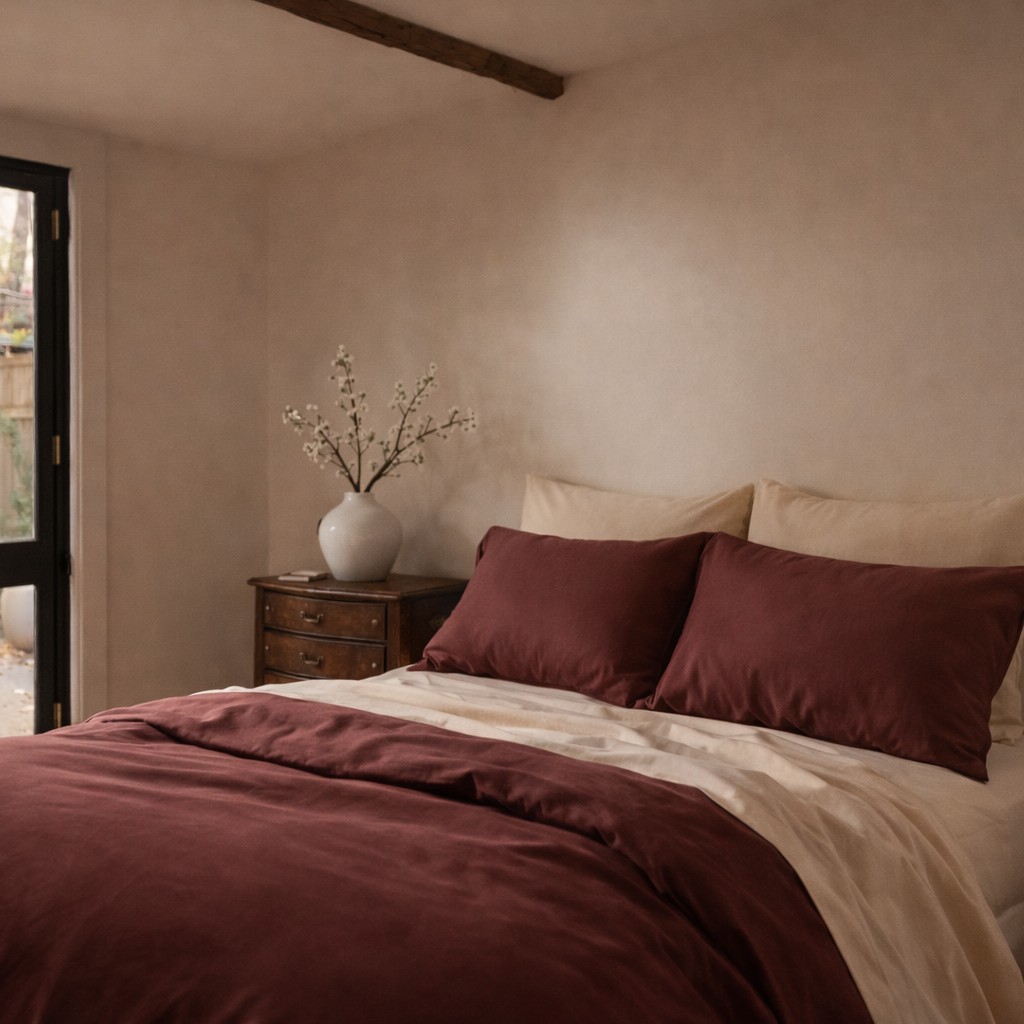
Best eucalyptus sheets

Silk: the luxury option
Mulberry silk is the most luxurious natural bedding material in this guide, and it offers genuine skin and hair comfort benefits. The caveat: it is expensive, requires careful washing, and raises animal welfare questions for some buyers. For summer, silk performs best in moderate heat rather than high humidity, where linen or eucalyptus may feel fresher.
Silk
Mulberry silk · ultra-luxurious · delicate care required
Silk’s protein structure and exceptionally smooth surface make it uniquely compatible with skin and hair comfort. It is beloved by people managing hair breakage, skin creasing, and overnight moisture loss, especially when used as a pillowcase.
Health and non-toxic benefits of silk
- Skin friction reduction:the ultra-smooth surface can reduce sleep creases and tugging.
- Hair comfort:silk can reduce friction, tangles, and breakage, especially for curly or treated hair.
- Gentle feel:quality silk is soft enough for reactive skin types.
- Moisture retention:silk does not feel as absorbent or drying as cotton for some skin and hair routines.
- Moderate thermoregulation:it can feel comfortable in mild summer conditions but may be less airy in heavy humidity.
Pros
- Outstanding skin and hair comfort.
- Luxurious feel.
- Naturally smooth and low-friction.
- Long-lasting if cared for properly.
Cons
- Very expensive.
- Often hand-wash or dry-clean only.
- Not vegan.
- Can feel warm in very humid heat.
Best for skin and hair care, moderate summer heat, and luxury sleepers.
Best silk sheets and pillowcases


All five non-toxic fabrics compared
Can’t decide? Try a certified blend
A certifiedlinen-cotton blendgives you some of linen’s breathability with cotton’s immediate softness.Cultivermakes an OEKO-TEX certified linen-cotton option to compare if pure linen feels too textured.
About our top non-toxic product picks for summer 2026
Every pick above was selected for a natural-fiber material profile and at least one major non-toxic certification or material standard mentioned by the brand or retailer, such as GOTS, OEKO-TEX Standard 100, OEKO-TEX Class I, FSC, PEFC, or TENCEL. Before ordering, verify the current certification language, size, color, return policy, price, and whether the offer is one-time or recurring.
Care and buying tips
Always check certifications
GOTS and OEKO-TEX Standard 100 are the two most useful non-toxic markers. “Natural” or “organic” on its own is weaker without third-party support.
Wash before first use
Even certified bedding can carry dust or residue from manufacturing and shipping. One wash before first use is a simple reset.
Use fragrance-free detergent
Synthetic fragrances can reintroduce irritants into cleaner bedding. Choose fragrance-free or plant-based formulas.
Cold wash, low dry
Hot cycles can degrade natural fibers. Cold water and low heat, or air drying, extend sheet life and save energy in summer.
Buying checklist before you click
- Confirm the exact fiber content: 100% linen, GOTS organic cotton, bamboo lyocell, certified bamboo viscose, TENCEL lyocell, or mulberry silk.
- Check the certification label on the product page, not only in marketing copy.
- Review pocket depth, return window, washing instructions, and whether pillowcases are included.
- Treat sale pricing as temporary and verify the final checkout total.
- Avoid “wrinkle-free,” “easy-care,” or “performance blend” language unless the brand clearly explains the finishing chemistry.
Frequently asked questions
What is non-toxic bedding?
Non-toxic bedding is bedding made from cleaner natural fibers and processed without unnecessary harmful finishes. The strongest options use third-party standards such as GOTS for organic cotton and OEKO-TEX Standard 100 for harmful-substance testing.
Which non-toxic bedding fabric is coolest for summer?
Linen, bamboo, and eucalyptus lyocell are usually the best cooling options. Linen wins for airflow in humid climates, while bamboo and eucalyptus are smoother and cooler to the touch.
Are bamboo sheets always non-toxic?
No. Bamboo processing varies. For the cleanest choice, prioritize bamboo lyocell or bamboo sheets with OEKO-TEX certification that verifies the finished textile has been tested for harmful substances.
Is silk good for hot sleepers?
Silk can be comfortable in moderate summer heat, especially as a pillowcase, but it is not the strongest choice for heavy humidity. Linen or eucalyptus usually feels fresher for very hot sleepers.
What certifications should I look for first?
Start with GOTS for organic cotton and OEKO-TEX Standard 100 for finished textile safety. For eucalyptus and some bamboo sheets, TENCEL, FSC, and PEFC are also useful material and forestry signals.
Should I trust listed sale prices?
Use listed prices as a snapshot only. Bedding prices, discounts, bundles, colors, and inventory can change quickly, so verify the current checkout price and return policy before ordering.
The verdict
Switching to non-toxic bedding is one of the highest-impact changes you can make for your health – especially in summer, when heat opens pores and amplifies chemical exposure. All five fabrics deliver clean materials, certified processing, genuine cooling performance, and real health benefits you’ll feel from night one.