

Sponsored Content by Prospek. This article includes affiliate links, which may earn us a commission, to support truthful and independent journalism (at no extra cost to you).
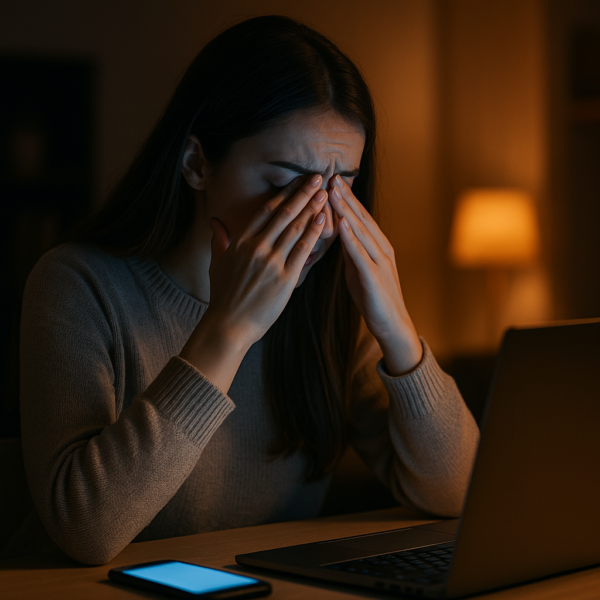
In today’s digital world, our lives are illuminated by screens. From morning emails to late-night streaming, the glow of computers, phones, and televisions has become inescapable. While technology has made our days more productive and connected, doctors are warning of a less visible consequence: the rising toll of blue light exposure on our eyes and overall health.
According to the Vision Council, over 60 percent of Americans report symptoms of digital eye strain—a mix of headaches, blurred vision, and fatigue linked to prolonged screen use. Yet, awareness of blue light’s long-term effects remains low, despite mounting research that suggests it can disrupt sleep cycles and contribute to more serious eye concerns over time.
Why Blue Light Matters
Blue light is part of the visible light spectrum and is naturally present in sunlight. In moderation, it plays an important role in regulating circadian rhythms and keeping us alert. The problem, experts say, lies in the artificial concentration of blue light from digital devices.
Smartphones, tablets, and LED monitors emit a particularly high-energy form of blue light. While not immediately harmful, cumulative exposure throughout the day can overstimulate the eyes and trick the brain into staying alert well past bedtime.
“Blue light exposure at night suppresses melatonin production,” explains Dr. Charles Czeisler, a sleep medicine specialist at Harvard. “Even modest use of electronics before bed can delay sleep onset and reduce sleep quality.”
Beyond sleep, there’s also concern for the eyes themselves. Some researchers suggest long-term overexposure may contribute to retinal stress and accelerate age-related eye conditions. While the science is still evolving, many professionals agree that prevention is wise—especially as average daily screen time continues to climb past seven hours per adult in the U.S.

The Rise of Blue Light Glasses
In response, more people are turning to blue light blocking glasses. These specialized lenses are designed to filter out a portion of the high-energy light emitted by digital screens, offering relief from strain while supporting healthier sleep patterns.
What started as a niche product for gamers and office workers has quickly entered the mainstream. Celebrities, executives, and students alike now wear them as part of their daily routine. With growing popularity, the market has been flooded with options, from costly fashion pieces to flimsy budget pairs sold for as little as $15.
That raises a critical question: Do all blue light glasses actually work?
Features That Truly Make a Difference
Not all glasses are created equal. Experts suggest looking for several key features when choosing a pair:
- Verified Blue Light Filtering
Some lenses are tinted orange or yellow, which can block large amounts of blue light but alter color perception. High-quality lenses, however, often use a near-clear coating that filters harmful wavelengths without distorting your vision. - Anti-Reflective Coating
Reflections from screens and overhead lights can intensify eye strain. A good pair of glasses will include anti-reflective treatment to reduce glare and improve comfort. - Lens Clarity
Cheap lenses often look cloudy or add a distracting hue. Premium brands ensure optical clarity, allowing your eyes to relax naturally without unnecessary distortion. - Comfort and Fit
Glasses that pinch your nose or slide off easily won’t be worn consistently. A well-designed frame with balanced weight and durable construction is essential for all-day wear. - Style Options
Since many people wear them at work or socially, aesthetics matter. The best glasses combine functionality with modern designs that suit different face shapes.
The Pitfalls of Cheap Alternatives
The surge in demand has unfortunately led to a flood of low-cost, poorly made blue light glasses. While tempting, these bargain pairs often fail where it matters most.
A common problem is misleading claims. Some budget glasses only block negligible amounts of blue light—far less than what’s needed to make a difference. Others exaggerate filtration by adding heavy tints that compromise visual comfort.
Durability is another issue. Thin plastic frames and low-quality coatings scratch easily, making them short-lived solutions. Worse, subpar optical clarity can actually strain the eyes further, undoing the very relief people seek.
As one optometrist put it: “A cheap pair of blue light glasses can be more like a placebo—something you think is helping, but isn’t.”
A Brand That Balances Value and Quality
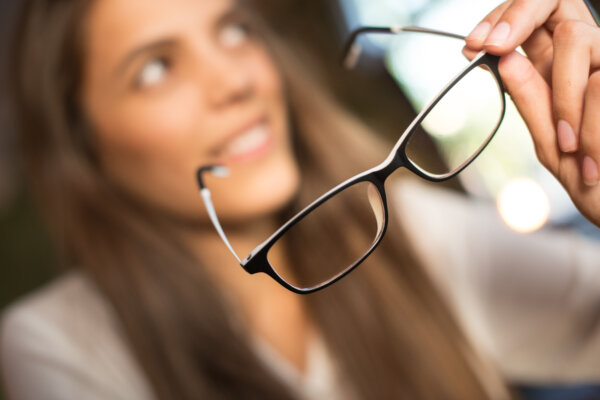
For consumers who want reliable protection without spending hundreds, PROSPEK Blue Light Glasses has emerged as a standout. Unlike bargain-bin alternatives, PROSPEK lenses are engineered with advanced coatings that filter blue light effectively while maintaining crystal-clear vision.
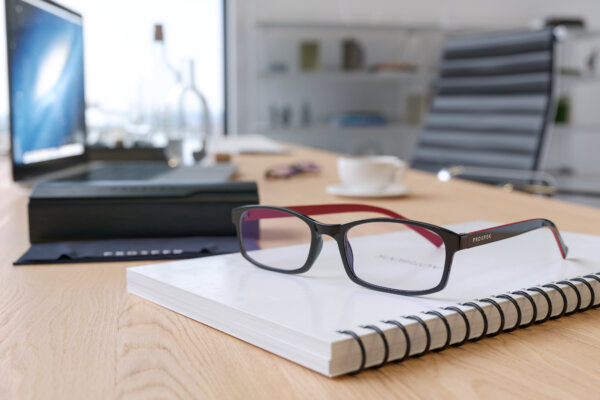
What makes PROSPEK noteworthy is its ability to strike the balance between affordability and premium features. The glasses come with anti-glare protection, lightweight frames, and a variety of stylish designs—making them practical for both office wear and casual use.
Many reviewers highlight the difference they notice after just a few days: reduced headaches, less squinting at screens, and better sleep quality at night. For those who spend hours on computers or phones (which, realistically, includes nearly everyone today), PROSPEK Computer Glasses represents an investment in comfort and long-term eye health.
Beyond Glasses: Other Ways to Reduce Blue Light Exposure
While glasses are a practical frontline defense, experts also recommend adopting healthier screen habits:
- Take the 20-20-20 rule: Every 20 minutes, look at something 20 feet away for 20 seconds.
- Adjust lighting: Keep ambient room light softer and warmer, especially at night.
- Limit late-night scrolling: Reducing device use an hour before bed helps restore natural melatonin rhythms.
Together, these habits amplify the protective benefits of blue light glasses, creating a holistic approach to eye wellness.
The Bigger Picture
Our eyes are among the most important—and fragile—tools we rely on daily. In a culture that prizes productivity and constant connectivity, it’s easy to overlook the silent wear and tear screens impose.
Blue light glasses are not a miracle cure, but they are a practical, accessible step toward reducing strain and protecting long-term vision. Choosing wisely matters, though: while cheap alternatives may disappoint, brands like PROSPEK prove that effective, stylish, and reasonably priced solutions exist.
As screen time shows no signs of slowing, perhaps the real question isn’t whether you should wear blue light glasses—but whether you can afford not to.
 Friends Read Free
Copy
Facebook
Tweet
Friends Read Free
Copy
Facebook
Tweet