June 15, 2026
China in Focus
G7 Summit Eyes Supply Chain Resilience; US Agencies Ban Chinese-Origin Goods

A peace deal between the United States and Iran was announced by President Donald Trump over the weekend. What decisions will China make following this major development?
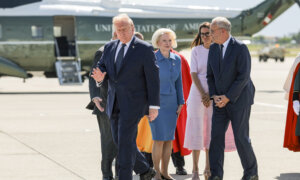
Trump arrived in France for the G7 Summit after securing a peace deal with Iran. Among the issues topping the agenda is the threat posed by a surge of low-cost Chinese exports. But how likely are the United States and its allies to reach a consensus on how to respond?
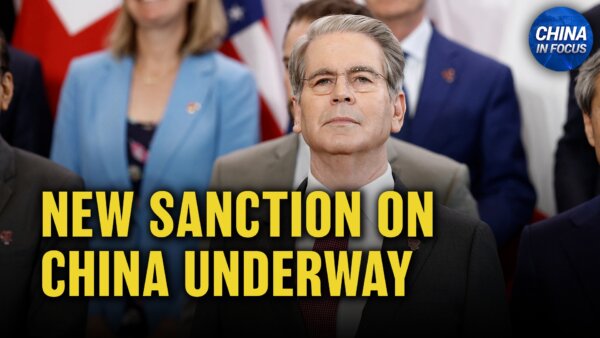
Chinese products removed from U.S. federal agencies amid security concerns. U.S. authorities discovered that 22 Chinese manufacturers falsely labeled their goods as “Made in America” and removed them from federal procurement lists.
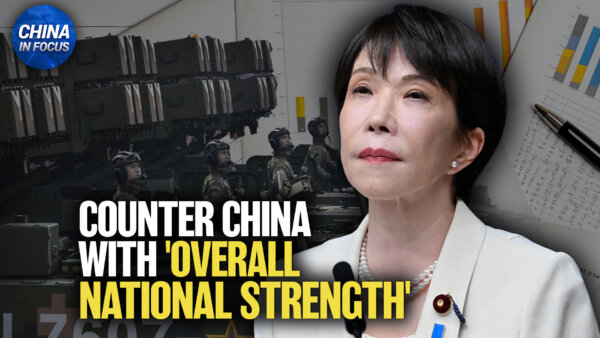
From the UK and Italy to France, Japan’s prime minister is forging new partnerships linking Europe and the Indo-Pacific, strengthening security ties in response to mounting challenges from China.
A major move in the Indo-Pacific amid China’s threats: the United States is reactivating a nuclear-powered submarine support squadron in Australia.
- US and Iran Reach Peace Deal
- Iran Deal Will Be a Wall to Nuclear Bomb: Hegseth
- Trump Attends G7 Summit, Eyes Supply Chain Resilience
- Tackling Flood of Chinese Exports Tops G7 Agenda
- $392 Billion EU Trade Deficit With China, Up 18 Percent Last Year
- US Removes Chinese ‘Imposters’ From Procurement
- Taiwan Launches Site for Tips, Leaks on Chinese Regime
- Japan Deepens UK-Italy Defense Ties Before G7 Summit
- Takaichi Links Indo-Pacific, Europe Security Agendas
- US Revives Nuclear-Powered Submarine Support in Australia
- Iran Deal Hinges on Regime’s Performance: US
- Iran Deal Focuses on Inspection, Verification
- Iran, Ukraine, and China Supply Risks Dominate G7
Views expressed in this video are those of the host and guest(s) and do not necessarily reflect the views of The Epoch Times.
Read More
Popular
Related Videos