
Commentary
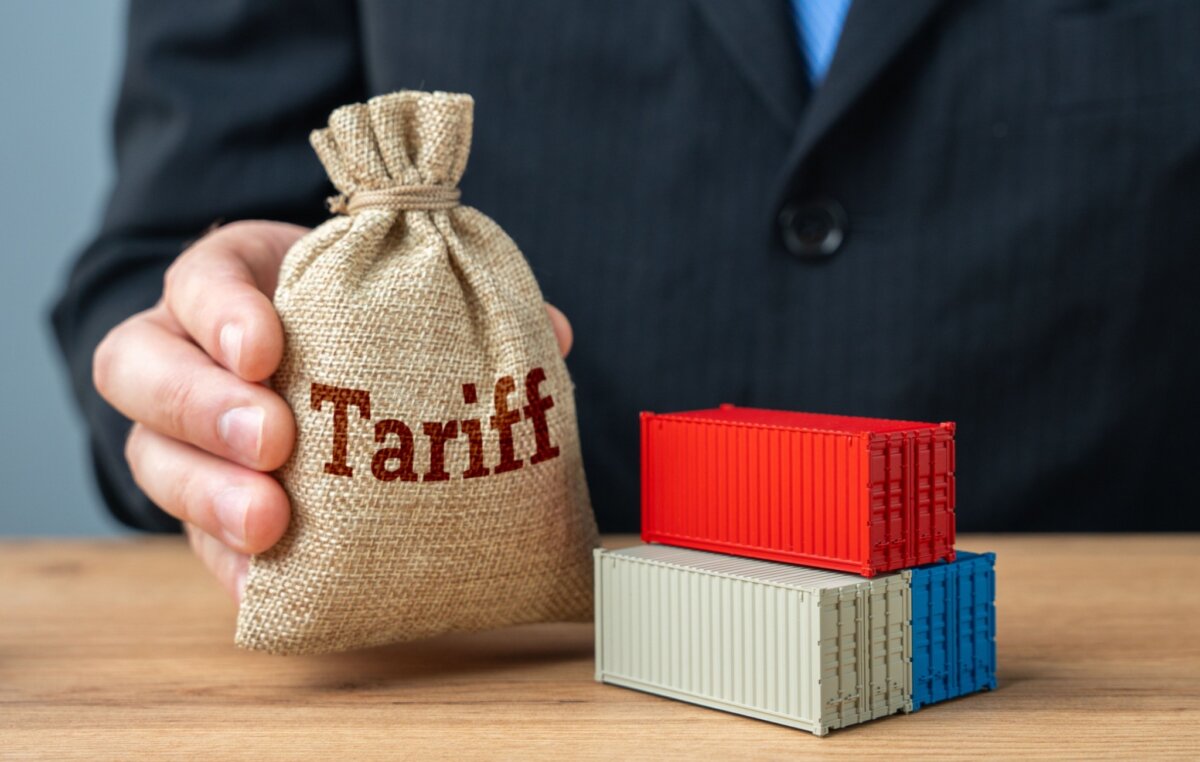
The Trump administration has increased tariff rates on dozens of countries in part to kickstart trade policy negotiations. These tariffs include 10 percent tariffs on dozens of countries, tariffs of more than 30 percent on China, 50 percent tariffs on steel and aluminum, and 25 percent tariffs on autos. While the specifics of each negotiation will vary depending on the country’s role in the global economy and its current trade laws, there are three high-level goals relevant to all countries President Donald Trump should pursue. If he is successful, these negotiations will make U.S. manufacturers more competitive, keep prices low for consumers, improve the United States’ ability to confront China, and help reduce the risk of a global trade war.
The U.S. Court of International Trade recently ruled that many of Trump’s tariffs are illegal, but they’ve been allowed to remain in place pending appeal. In the meantime, Trump’s administration is discussing trade policy with several countries. This is wise since keeping the tariffs in place long-term will hurt the U.S. economy. The Penn Wharton Budget Model estimates that Trump’s reciprocal tariff plan would reduce gross domestic product by 6 percent and wages by 5 percent if it were to become permanent. A middle-income household would face a long-term income loss of $22,000. This income loss would offset nearly 15 years of tax savings that the average family receives from the Tax Cuts and Jobs Act, Trump’s signature tax plan from his first term.
The primary goal of Trump’s trade negotiations should be to expand trade by reducing tariff rates and other trade barriers. Here are three ways his administration could achieve this goal.
First, negotiate zero-for-zero tariffs on manufacturing inputs that would remove tariffs on inputs needed by U.S. manufacturers. These could be modeled on the terms contained in the United States–Mexico–Canada Agreement that expanded access to intermediate inputs for thousands of small and medium-sized U.S. manufacturers, allowing them to expand production and increase jobs for American workers. Agreeing to similar terms with other countries would ensure U.S. manufacturers can get the materials they need to produce high-quality products.
Second, negotiate the elimination of nontariff foreign trade barriers that inhibit U.S. exports, U.S. foreign direct investment, and U.S. electronic commerce. Trade barriers include laws, regulations, policies, and practices—including nonmarket policies and practices—that distort or undermine competition. Examples include inadequate intellectual property protections, local content requirements, export subsidies, and unnecessary safety or sanitary standards. Country-specific examples that should be reformed are provided annually by the Office of the United States Trade Representative in its National Trade Estimate Report on Foreign Trade Barriers.
Third, negotiate tougher trade enforcement provisions to prevent China and other countries from evading U.S. trade laws by rerouting exports to the United States through other countries. Countries should agree to allocate more resources to the enforcement of trade laws and verifying the country of origin of the goods that cross their borders. This would protect U.S. consumers and firms from illegal or unsafe goods and help maintain the integrity of the global trade system.
Reducing tariffs on manufacturing inputs, eliminating nontariff trade barriers, and improving enforcement of U.S. trade laws would help the Trump administration accomplish several of its goals. First, U.S. exports would be more competitive, which would boost manufacturing output and create jobs. Second, the cost of inputs would be reduced, and reciprocal tariff rates could be lowered, which would help keep consumer prices low. Third, by enhancing enforcement of U.S. trade laws, the administration would be better equipped to address China’s objectionable trade policies without unduly inhibiting mutually beneficial trade with friendlier countries.
Nations that close themselves off from the world stagnate and fail. The best known example is China’s inward turn that started in the 15th century and lasted until the late 20th. China missed out on the industrial revolution, and by the 1800s it had dramatically fallen behind the West. Today, it is still playing catch-up.
Trump has an opportunity to improve international trade policy and ensure that the United States plays a leading role in the global economy for decades to come.
From the American Institute for Economic Research
Views expressed in this article are the opinions of the author and do not necessarily reflect the views of The Epoch Times.
 Friends Read Free
Copy
Facebook
Tweet
Friends Read Free
Copy
Facebook
Tweet