
Commentary
“No other country on planet Earth—and it’s not even close—could pull this kind of operation off,” Secretary of War Pete Hegseth said.
Although the Trump administration is not known for its modesty, Hegseth’s statement rings true. Sure, there are two, maybe three, countries that might be capable of executing a cross-border attack against a nation with Venezuela’s military capabilities. But when it comes to an operation requiring the level of command, control, communications, computers, intelligence, surveillance, and reconnaissance on display—combined with the military assets needed to conduct such a strike thousands of miles from home—the list is very short: the United States.
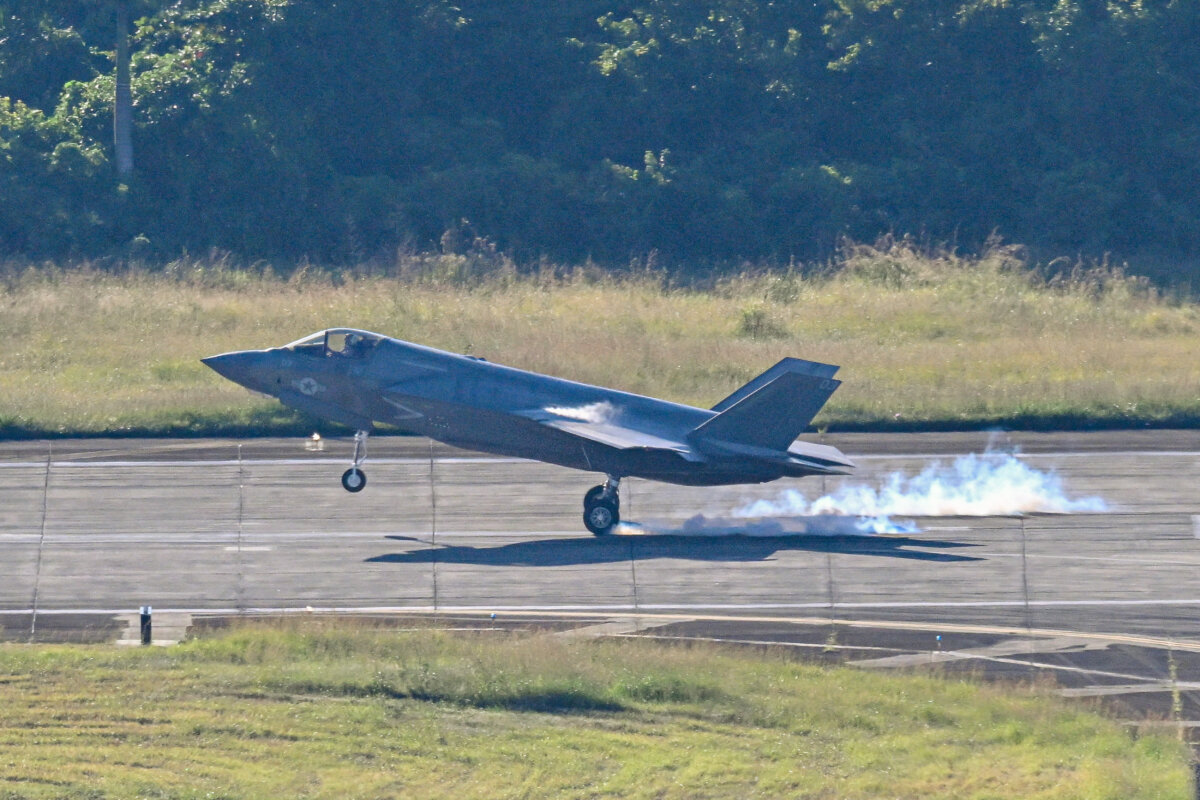
Anyone with a modicum of fairness must admit that executing such an operation without fatalities or loss of equipment is extraordinary. Of course, such an audacious undertaking has sparked controversy, but for now, we will focus on how the operation was carried out.
Unsurprisingly, the Trump administration has been tight-lipped on details. However, through analysis from major think tanks and more than a dozen military bloggers, a probable timeline emerges.
Operation Absolute Resolve, the U.S. raid that captured Venezuelan dictator Nicolás Maduro on Jan. 3, was a meticulously coordinated military and intelligence campaign. The timeline began months earlier, in August 2025, with “shaping operations.” CIA officers infiltrated Venezuela to track Maduro’s movements, supported by stealth drones conducting persistent surveillance. This enabled the creation of a detailed “pattern of life,” culminating in the identification of Maduro’s hideout at Fort Tiuna by late fall.
By mid-December, U.S. Cyber Command had escalated the shaping effort by embedding malware into Venezuela’s electrical grid for later use. Meanwhile, Delta Force rehearsed extensively at replica compounds, including by breaching reinforced panic rooms using blowtorches.
The mobilization phase involved deploying approximately 20,000 personnel, 17 warships (including the Gerald R. Ford carrier strike group), and amphibious vessels such as the USS Iwo Jima to the Caribbean. Cyberoperations laid the groundwork to disable power at Fort Tiuna. Electronic warfare assets, including EA-18G Growlers and E-2D Hawkeyes, jammed radars and provided aerial surveillance. Insider support, whether from moles or bribed officials, supplied critical intelligence about Maduro’s routines.
These elements transformed a high-risk mission into one with a reasonable chance of success, minimizing the risk of personnel or equipment loss.
Execution: Phase by Phase
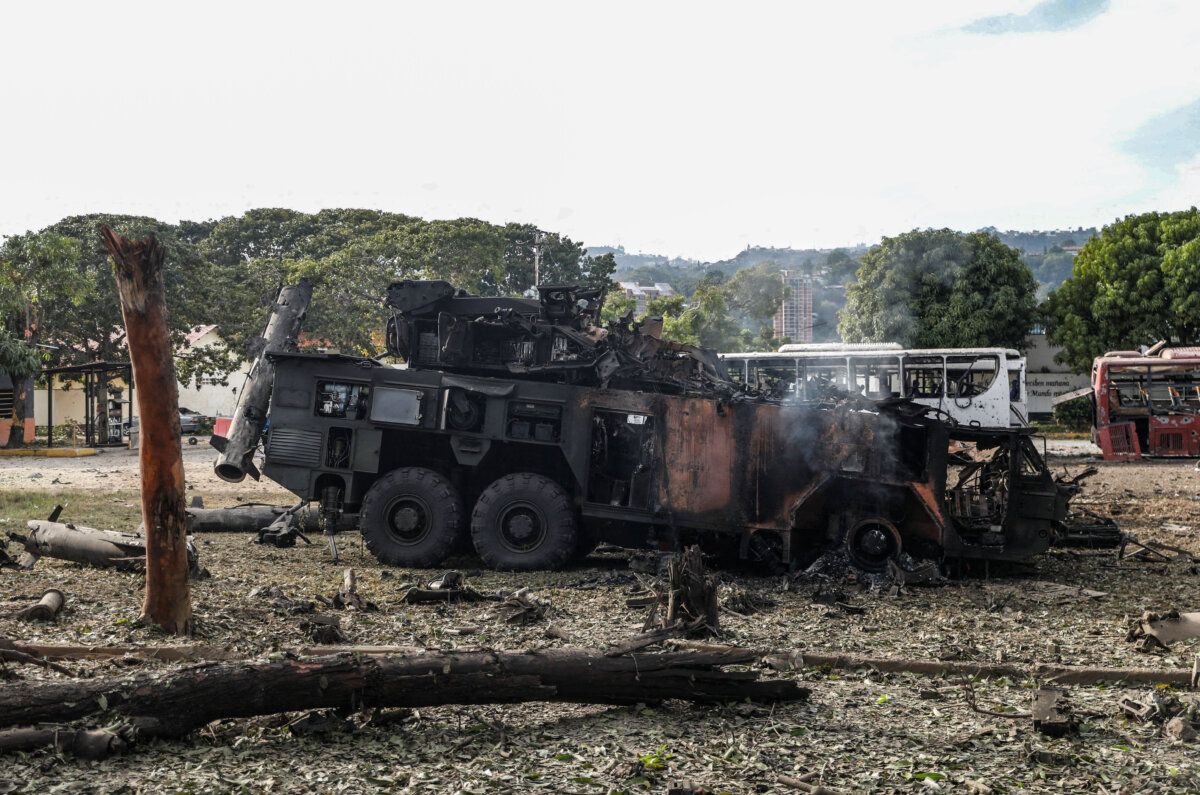
The final phase began at about midnight local time (11 p.m. EST) on Jan. 2 and continued into Jan. 3. More than 150 aircraft launched coordinated strikes across Venezuela. A primary focus was the suppression of enemy air defenses. Targets included Fort Tiuna, communications nodes, air bases such as La Carlota, the Bolivarian Militia headquarters, and La Guaira Port (where Iranian missile boats were destroyed). Growlers jammed enemy radars while anti-radiation missiles took out S-300 surface-to-air systems.
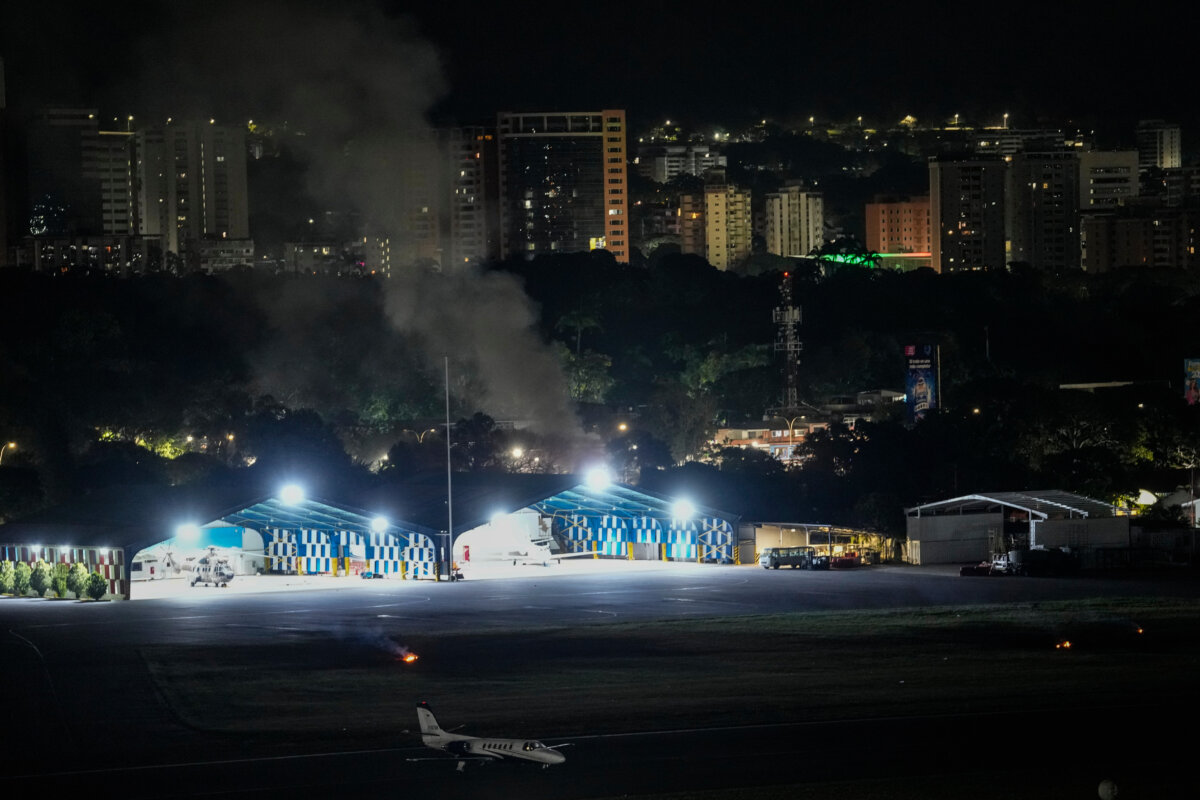
Although Venezuela is not a global air-defense powerhouse, its arsenal was substantial: 53 long- and medium-range systems, dozens of short-range missiles, more than 440 anti-aircraft cannons, and an estimated 5,000 man-portable air-defense systems dispersed among various units.
Nevertheless, the effectiveness of U.S. jamming and precision strikes, alongside widespread chaos and poor morale within Venezuela’s undertrained and underpaid military, rendered Maduro’s forces largely paralyzed. There are credible reports that compromised commanders issued stand-down orders or disabled key systems.
Once suppression of enemy air defense efforts were confirmed effective, a helicopter insertion commenced at approximately 2 a.m. Eleven aircraft from the 160th Special Operations Aviation Regiment lifted off from the USS Iwo Jima. Flying nape-of-the-earth routes to evade detection, MH-47G Chinooks carried Delta Force operatives, while MH-60L Black Hawks likely transported mixed teams of Delta operators and FBI Hostage Rescue Team agents. MH-60L DAP gunships provided fire support with Hydra 70 rockets, targeting ridgelines around Fort Tiuna to neutralize potential threats. One helicopter sustained damage but remained operational.
The helicopters likely deployed XM216 dark flares to defend against man-portable air-defense systems and other anti-air threats.
The Capture
No matter how flawlessly the plan was executed, inserting that many helicopters into Venezuela’s most fortified location, Fort Tiuna, required a measure of good fortune.
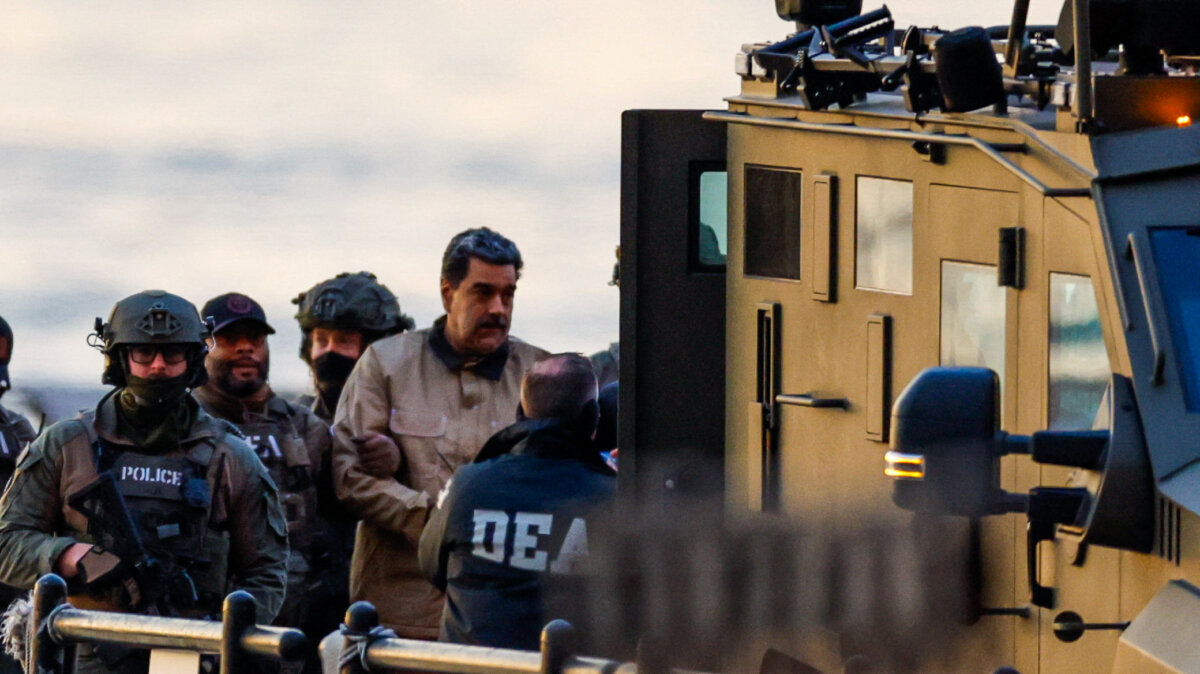
An estimated 200 Delta Force operators and FBI agents landed and, guided by insider intelligence, reached Maduro’s residence. They intercepted Maduro and his wife before they could secure themselves inside a panic room, which, according to analysts, would not have withstood the breaching tools Delta teams carried.
Both individuals were zip-tied, blindfolded, and extracted alive and unharmed.
Exfiltration and Aftermath
Exfiltration began by 3:20 a.m. EST. The helicopters flew back north under the cover of continued airstrikes designed to create diversions and draw attention away from the extraction route. Once the “package” was safely aboard the USS Iwo Jima, Maduro and his wife were formally taken into custody by FBI and Drug Enforcement Administration agents.
Flawless military execution was critical, but insider support likely proved decisive. Sources told Reuters that a CIA asset had been “poised to pinpoint [Maduro’s] exact location.” A growing consensus suggests that the regime’s paralysis, despite 5,000 elite guards at Fort Tiuna, was the result of betrayal or incentivized non-resistance. Maduro’s own son, Nicolás Maduro Guerra, implied internal betrayal, stating, “History will tell who the traitors were.”
No U.S. fatalities. No equipment lost. Maduro in custody.
But what comes next?
Removing Maduro only for Venezuela to descend into chaos or for another strongman to assume power would undercut the operation’s success. However, given that nearly 70 percent of the population voted against Maduro in July 2024, there is a strong foundation for transition with the right support.
It is unlikely that the United States lacks a post-operation stabilization plan. With diminished Chinese and Russian influence in the region and the potential to partner with a democratic Venezuela in developing its vast oil reserves, this could mark a turning point both for Venezuelans and for regional stability.
A win-win, if the momentum holds.
Views expressed in this article are the opinions of the author and do not necessarily reflect the views of The Epoch Times.
 Friends Read Free
Copy
Facebook
Tweet
Friends Read Free
Copy
Facebook
Tweet