
Commentary
For years, the debate regarding the “Might Is Right” versus “Right Is Might” philosophy of life has been argued in our society and elsewhere.
The “Might Is Right” group believes that those who wield economic, military, and political power are the guardians of what is right, and they seek to dominate from that vantage point.
Conversely, those who embrace the “Right Is Might” philosophy think that influence and power reside with those who seek moral clarity and the truth regarding the vicissitudes of life. They believe that coming down on the side of ethical principles and turning the other cheek can dissuade relentless power seekers from coercing others through force.
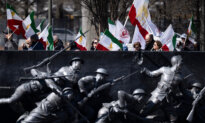
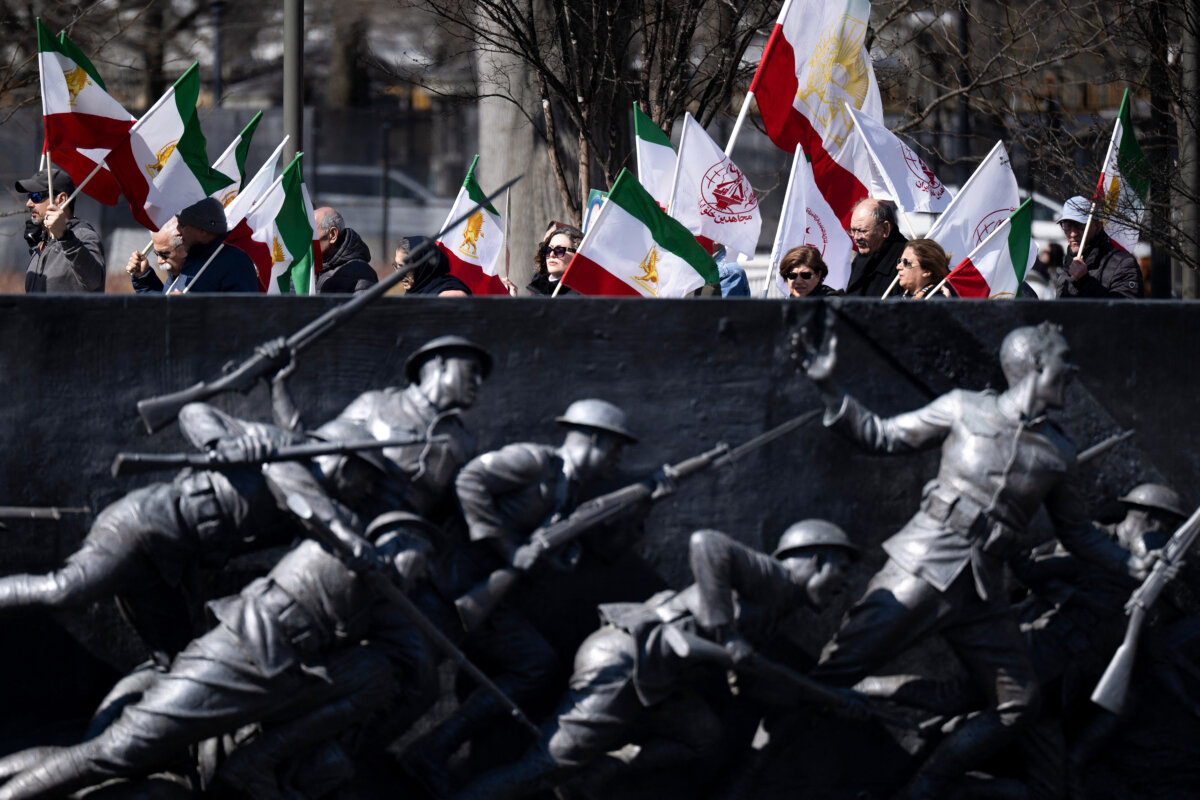
In most cases, autocratic societies (communist, Islamist, military-led, socialist) practice the “Might Is Right” doctrine not only internally but also in foreign relations. Internally, they take away people’s inherent freedoms by using arbitrary laws and limiting opportunities for dissent and economic upward mobility.
In other words, authoritarian regimes are afraid of their own citizens and, in Mao Zedong’s words, believe that “political power grows out of the barrel of a gun.” Despite their alleged absolute power, undemocratic regimes are fragile due to a lack of genuine legitimacy, and they don’t trust people’s capability for self-governance.
Moreover, these regimes arm themselves to the teeth, which detracts from economic development. Cuba, Iran, North Korea, and Venezuela are prime examples of countries that have plenty of resources yet mismanage their economies due to a constant paranoia regarding the loss of political control. Tyrants talk a good game about equal human rights, but, of course, the leaders who accumulate power are far more equal than the masses they rule.
Proponents of “Might Is Right” always create a bogeyman that emanates from outside the regime. They must generate disinformation about the external world in order to build a sense of national pride and keep their own citizens in line. Control over the information narrative allows tyrants to indoctrinate their own citizens and keep them on their heels, which is a form of bondage that is difficult to break free from. Indeed, whenever regime turnover occurs, it can be a challenge for the subjugated to cope with liberation.
The historical record is littered with the wreckage of gangster regimes, yet in modern times, there are national leaders who have failed to absorb lessons from the past and continue to rule through domination and fear rather than respect for their own citizens. In autocratic regimes, “Might Is Right” is rarely justified by those who amass relentless power while they squander the resources of the countries they govern.
When is “Might Is Right” justified?
It’s common knowledge that undemocratic societies apply brute force in various ways, but what about democratic societies?
Are there situations when they have no choice, due to humanitarian concerns, but to utilize forceful leverage to uphold core principles?
Some might contend that it is wrong to fight evil with evil and that if we are victims of injustice, we ought to turn the other cheek.
However, rules-based societies can’t ignore nations that terrorize their own citizens, ignore national boundaries, and send hordes of unlawful migrants to other nations. Rogue regimes often traffic in drugs and human beings, assault other nations, promote destabilization through the funding of foreign riots, among other actions.
How long can free nations and oppressed citizens keep turning their cheeks?
What can good-faith negotiators do when they sit across from leaders at the bargaining table who treat negotiations merely as a game of deception?
Autocrats raise hopes only to dash them through delay tactics, time and again. They never miss an opportunity to miss an opportunity to join the civilized world. Agreements are made only to be broken. Moreover, aggressive regimes routinely play the victim card in the court of public opinion. Consequently, turning the other cheek can be exhausting, especially when national survival is at risk.
When patience ends, reasonable might is necessary to project peace through strength by either capturing a dictator or, when facing existential threats, neutralizing those who spread destruction and suffering around the globe. Obviously, externally or internally induced regime collapses generate plenty of casualties and pain all around, but one less autocracy is a plus for humanity.
Heavy lifting begins after a tyrant has been ousted from power because a power vacuum can occur, and the unshackled populace might not understand how to handle liberty. Some might view freedom as the chance to seek revenge or seize power for the sake of power, thus repeating the cycle of iron-fisted rule.
On the other hand, regime turnover offers long-suffering citizens an opportunity to exercise the “Right Is Might” philosophy by picking up the pieces to forge a reform of governance that does a better job of protecting individual rights. Transitions from regime collapses or coups rarely go smoothly, but if open elections can be organized, there is a chance that economic development and ordered liberty can unfold, shaping a more peaceful future.
Views expressed in this article are the opinions of the author and do not necessarily reflect the views of The Epoch Times.
 Friends Read Free
Copy
Facebook
Tweet
Friends Read Free
Copy
Facebook
Tweet