
Commentary
As a historian of Christmas, I get to hear a lot of misinformation about the world’s favourite festival.
Here are some examples: “Did you hear that ‘Twelve Days of Christmas’ is really a secret Catholic code from the days when the Church was persecuted in England?” No, it’s not. It’s an 18th-century counting song. “Coca-Cola gave us the look of Santa Claus to match their red and white corporate colours.” No, they didn’t. Santa Claus rocked that outfit long before the ads by artist Haddon Sundblom started in 1931. “I bet you didn’t know that Martin Luther started the fashion for decorating Christmas trees with candles, trying to imitate the night sky over Bethlehem.” No, he didn’t. Luther had nothing to do with the Christmas tree. “OK, so then the Christmas tree idea came from St. Boniface chopping down the Oak of Thor and replacing it with a little evergreen.” No, he didn’t. That tale became popular only after an 1891 American short story.
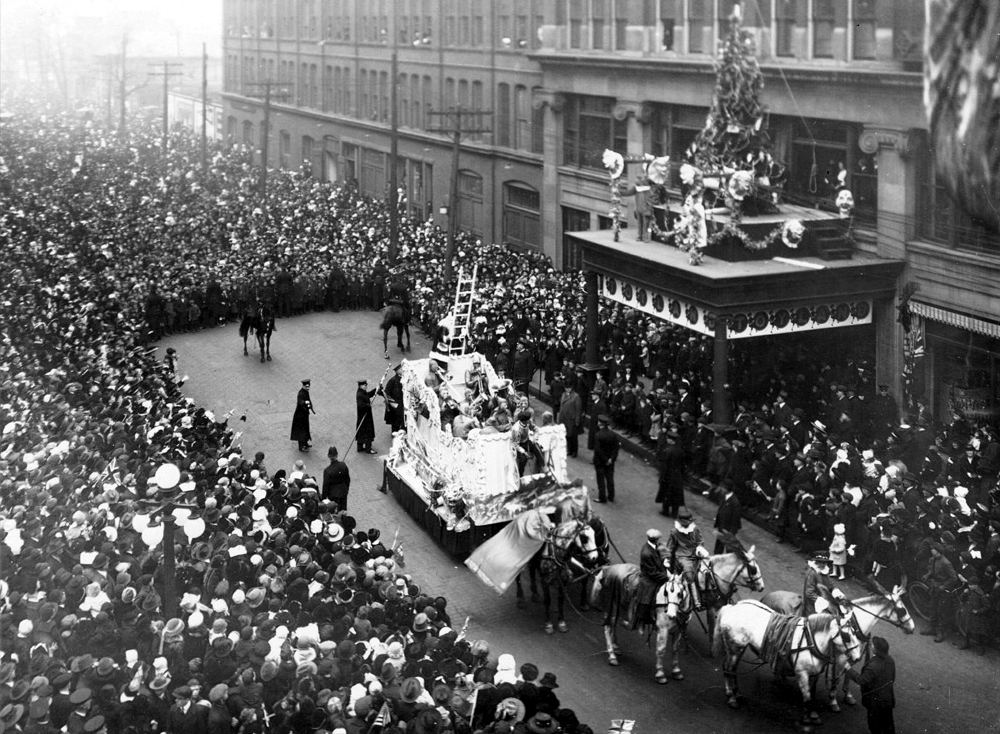
But the seasonal error I hear most frequently repeated is, “You know, there isn’t much difference between a Canadian Christmas and one in the USA.” Oh, how wrong you are. Christmas in Canada is a unique blend of beloved customs and welcome innovations combined over centuries of celebration. Let’s talk about a few of those.
The rest of the planet may look to Christmas gift-bringers such as Père Noël, St. Nicholas, La Befana, and the Three Kings, but only in Canada will you find such figures as Mother Goody, Aunt Nancy, Shealah, Nancy New Year, or Jennifer Duck. These magical females will bring good boys and girls in the Maritimes stockings full of little treats on New Year’s Eve. And as for Santa Claus, who has long had his own postal address (H0H 0H0), the federal government in 2008 declared him to be a Canadian citizen. Moreover, it is only in our country where Santa has been depicted as a hardy voyageur, complete with long touque, ceinture flechée belt, capote made from a Hudson’s Bay point blanket, and snowshoes.
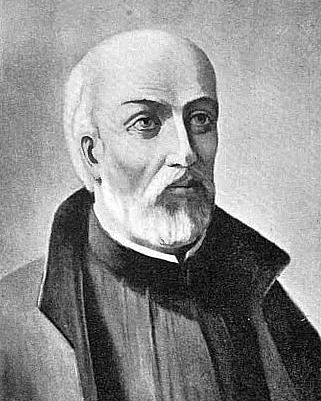
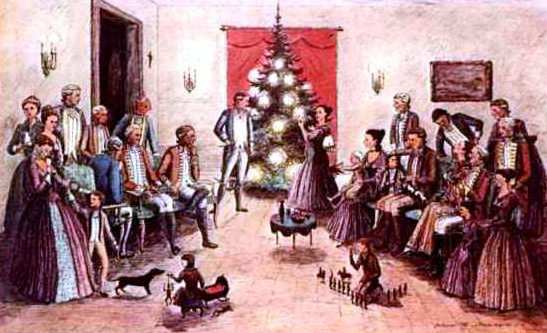
Canada may justly give itself a pat on the back for all the Christmassy things it has introduced to the world. For example, the first North American—and the first indigenous—Christmas carol “Jesous Ahatonhia” (“Jesus, he is born”), written by Jesuit missionary Jean Brébeuf, which we still sing as the “Huron Carol.” North America’s first Christmas tree was erected in Sorel, near Quebec City, in 1781. It was a Canadian journalist for an Ottawa newspaper in 1857 who first suggested that Santa Claus lived at the North Pole. New Brunswick gave the world the first department store Santa, even one who would drive his sleigh through the snowy streets to check on the suitability of neighbourhood chimneys for his midnight delivery.
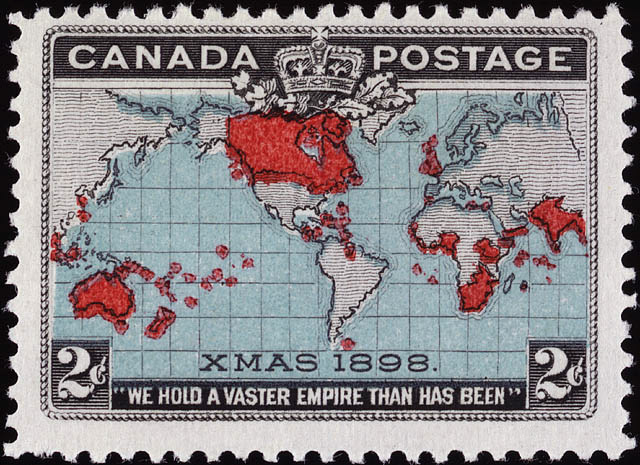
Eaton’s produced the world’s first Christmas catalogue in 1897, and in 1898 the Canadian Post Office initiated the world’s first Christmas stamp, to commemorate the introduction of the imperial cheap postal rate. Winnipeg and Toronto pioneered the Santa Claus parade in 1905, and the first Christmas radio broadcast was made in 1906 by Canadian Reginald Fessenden. In more recent years, two Vancouver friends held the planet’s first ugly Christmas sweater party in 2002.
As for other unique customs, may I direct your attention to la guignolée, an import to French Canada from medieval France, where bands of folk would go door to door during the Christmas season and sing a song threatening to torture the oldest daughter of the house if gifts of pig’s meat were not forthcoming. Today, it survives as a charity drive seeking donations of money and non-perishable food.
And what about mummering? In Newfoundland it could mean a humorous play in verse form featuring a mock battle and resurrection, a parade of costumed men through the streets of town, or house visits by disguised figures speaking in strange voices. Today, the Mummers Festival (“Where underwear is outerwear”) is a two-week collection of parties, plays, workshops, music, and parades.
And speaking of Newfoundland, this is the province that gave us Tibb’s Eve, a celebration on Dec. 23 in honour of the fictional St. Tibb, a time to eat (especially traditional foods like Jiggs dinner or boiled cod), drink (particularly screech or Christmas slush), and indulge oneself ahead of Christmas.
In many countries, especially in northern Europe, it is customary to gather at the graves of dead family members at Christmas, to tidy up the site and leave a flower or light a candle. In 1998, the northern Ontario community of Kenora began a tradition that has continued to this day where thousands of ice candles are lit in the cemetery for deceased loved ones. The ceremony has spread across the country, particularly in places with a Scandinavian heritage.
Lobster pot trees, anyone? In Nova Scotia ports in December, one may spot Christmas trees assembled from lobster traps, decorated with buoys, lights, and evergreens. Many serve as memorials for those lost at sea or as tokens of good wishes for local fishers heading into the new lobster season.
And what of foods? Candies such as chicken bones and barley toys in the Maritimes, tourtières, beignets, and ragoût de boulettes from the Quebec réveillon, cabbage rolls and pierogies from a Ukrainian meatless Christmas Eve on the Prairies, and a Japanese orange in the toe of the Christmas stocking, pioneered in British Columbia?
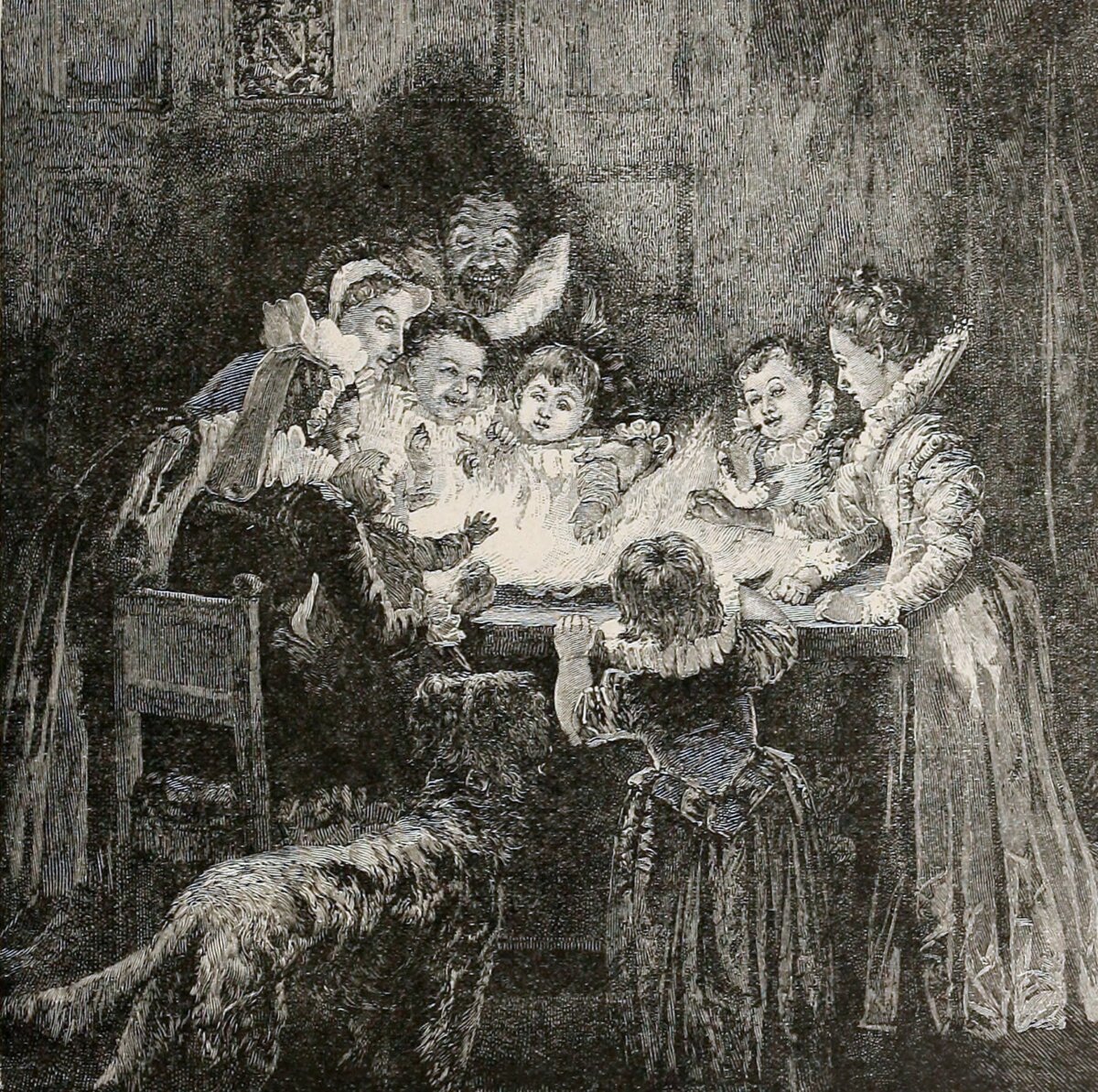
And the lost Christmas traditions we no longer practise: belsnickling; the firing in of the Yule Log; “paying for the cake”; the dangerous game of Snapdragon; Eaton’s Beauty Dolls; “Christmas Trees” as community entertainments; cake lotteries; la Chandeleur; Punkinhead, the Sad Little Bear phenomenon; and the family trip to view the wonders of department store Christmas windows. Gone, but perhaps replaced by newer traditions, such as the German Christmas markets, the mischievous Christmas visitors of Icelandic lore such as Meat Hook and Door Slammer, the bright paroles of Filipino-Canadians, the Latin American posadas, and Dec. 6 gifts from the Dutch St. Nicholas.
For those of you who are not Christmas fans, Canada has its own Grinches and Scrooges. In the 1950s, the most famous Canadian in the world was probably Brock Chisholm, known widely as “The Man Who Killed Santa Claus.” Chisholm, the founding director of the World Health Organization, campaigned for decades against telling children about Santa Claus lest it permanently harm them psychologically. Nor must we forget the brainchild of idealistic Winnipeg Mennonites, the Buy Nothing Christmas movement, who labour hard to dematerialize the holiday.
A former prime minister once declared that Canada was without its own real national culture. Had he only known more about Canadian Christmas, he might have changed his mind.
Views expressed in this article are the opinions of the author and do not necessarily reflect the views of The Epoch Times.