Commentary
U.S. intelligence indicates that the Chinese Communist Party (CCP) could be preparing to send man-portable air-defense systems (MANPADS) anti-aircraft missiles to Iran within the next few weeks amid a ceasefire, signaling a shift from indirect support to direct military involvement despite portraying itself as a peacemaker.
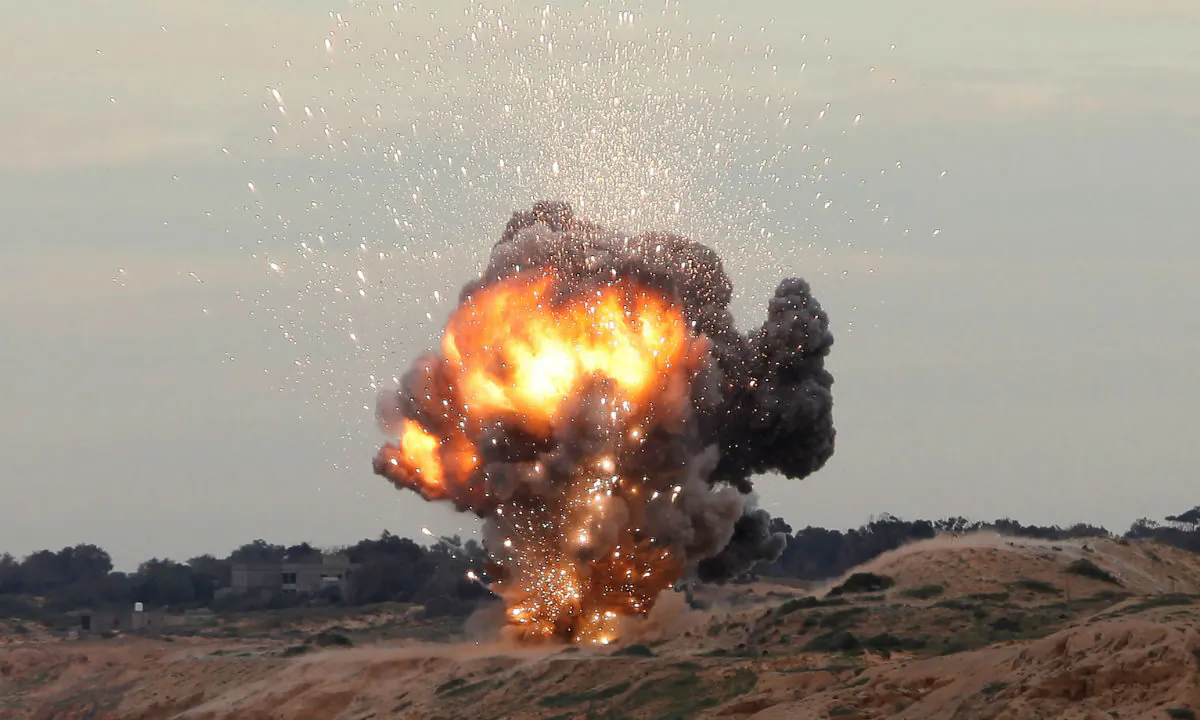
According to a CNN interview with sources familiar with recent intelligence assessments, the systems Beijing is preparing to transfer are shoulder-fired anti-air missile systems known as MANPADS—man-portable, easy to conceal, and difficult to intercept. The shipment, if confirmed, would mark a significant escalation in Chinese material support to Iran and would come during a fragile two-week ceasefire between Iran and the United States.
MANPADS were used effectively against low-flying U.S. aircraft during the first five weeks of the conflict. U.S. President Donald Trump said a U.S. fighter jet was likely downed by a shoulder-fired missile, which Iran claimed was part of a new air defense system. Iran’s MANPADS inventory was depleted, and the alleged Chinese shipment appears intended to replenish it.
China has expanded its partnership with Iran through economic agreements and dual-use technology transfers tied to their 2021 deal. Analysts say this support has contributed to civilian deaths by improving Iran’s missile and drone capabilities. U.S. experts are investigating whether recent strikes on Israel and Persian Gulf States involved Chinese-made components, particularly those linked to solid-fuel systems.
China has supplied materials and expertise for solid rocket fuel production, including ammonium perchlorate, enhancing missile range, survivability, and launch speed. These shipments are often routed through complex networks to evade sanctions, and intelligence suggests that MANPADS deliveries may follow similar covert channels. Additional support has included manufacturing tools, guidance systems, and technical assistance that improve accuracy and reliability.
China has also been linked to shipments of missile-related materials, including sodium perchlorate delivered to Iranian ports such as Chabahar and Bandar Abbas. Iran has sought advanced Chinese weapons, including supersonic anti-ship missiles that could threaten the Strait of Hormuz. Some analysts note that this cooperation could shift the regional military balance and strain Beijing’s relations with Persian Gulf States.
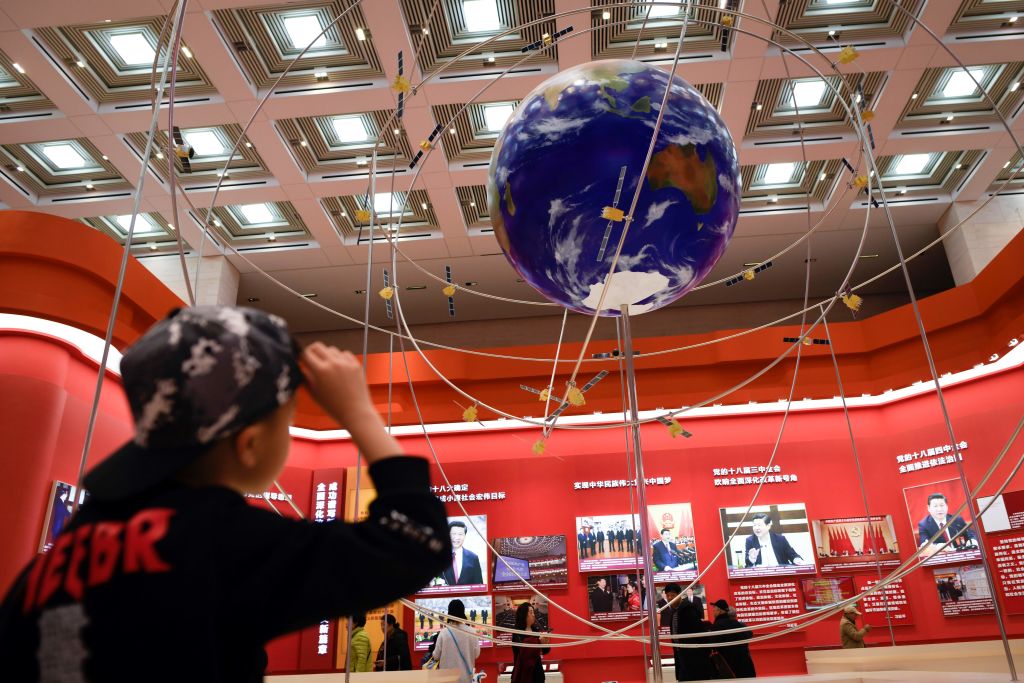
Beyond hardware, China may have provided access to its BeiDou navigation system, improving Iran’s targeting of U.S. and Israeli assets. Iran’s increased strike accuracy supports concerns about enhanced guidance capabilities, while its space program continues to advance technologies applicable to intercontinental ballistic missiles.
The partnership relies on logistics networks using shipping firms, shell companies, and third-country transshipment hubs to conceal sensitive transfers. Despite previous U.S. strikes on its missile infrastructure, Iran has rebuilt key capabilities, suggesting continued external support. Chinese companies have also used artificial intelligence, satellite imagery, and flight-tracking data to map U.S. military movements and share intelligence with Iran. Chinese components have been identified in Iranian drones used by regional proxies and exported to Russia for use in Ukraine.
China halted most direct arms transfers to Iran after the U.N. Security Council passed Resolution 2231 in 2015, shifting instead to dual-use and defense-related support. Beijing denies providing weapons, dismissing reports of arms transfers as false, and is likely to issue similar denials regarding the reported MANPADS shipment.
Against this backdrop, China has sought to portray itself as a peacemaker and the United States as a warmonger. Some media outlets have credited the CCP with helping broker the ceasefire, but that characterization is overstated. Iranian officials, speaking anonymously to The New York Times, said a last-minute Chinese intervention helped convince Tehran to accept Pakistan’s ceasefire proposal. Pakistani Prime Minister Shehbaz Sharif publicly thanked China for its support, while China’s foreign ministry stated only that Beijing had made “its own efforts,” stopping short of claiming direct credit.
CCP propaganda has positioned China as a responsible global power and a counterweight to what it describes as U.S. warmongering, and even limited claims of a peacemaking role serve that narrative at little cost. However, the primary sources attributing a decisive role to China are Iran and Pakistan, neither of which can be considered objective. Iran is dependent on China for money, technology, and support for its missile and nuclear programs, giving it every incentive to credit Beijing in ways that elevate China while undermining U.S. standing in the international community.
Pakistan, whose relationship with China is described as an “iron brotherhood,” relies heavily on Chinese investment and diplomatic backing and hosted the ceasefire talks in part to elevate its own regional status. Crediting China carries no cost for Islamabad and reinforces a relationship it depends on.
Washington has not confirmed that China played a meaningful role in the ceasefire. White House press secretary Karoline Leavitt said only that “there were conversations that took place between top levels of [the U.S.] government and China’s government,” a vague statement that falls well short of crediting Beijing with brokering the truce.
When asked by Agence France-Presse whether China had helped bring Iran to the table, Trump replied, “I hear yes”—a secondhand acknowledgment, not a direct claim. Pakistan’s mediation was the publicly confirmed mechanism. China’s role, if any, remains unverified by any party without a direct interest in asserting it.
In short, the Chinese communist regime is not the global peacemaker responsible for the ceasefire in the U.S.–Iran conflict. Instead, it appears to have shifted from supporting the war through dual-use technology to the direct provision of weapons that could be used against U.S. aircraft and personnel.
Views expressed in this article are the opinions of the author and do not necessarily reflect the views of The Epoch Times.
 Friends Read Free
Copy
Facebook
Tweet
Friends Read Free
Copy
Facebook
Tweet