
Commentary
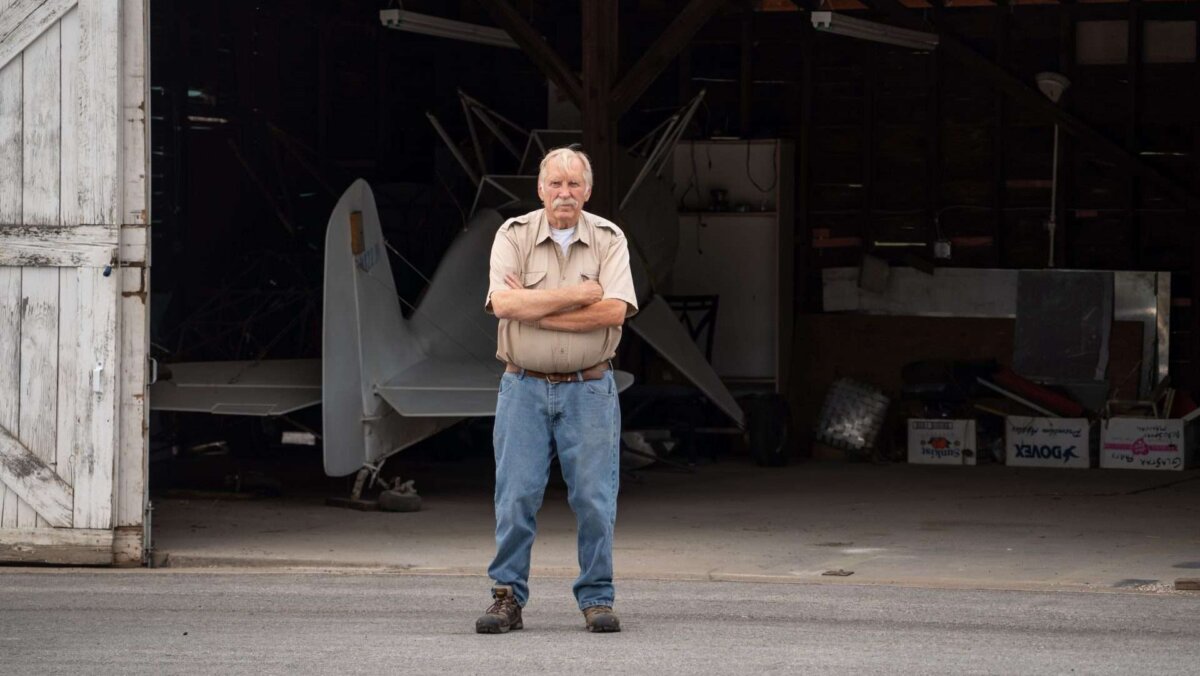
More than a decade ago, Alaska bush pilot Ken Jouppi was on a routine run from Fairbanks to the tiny village of Beaver, carrying a passenger and her groceries. What he didn’t know was that tucked inside the passenger’s suitcases were three cases of beer and a six-pack.
The problem? Residents voted in 2004 to outlaw alcohol entirely in Beaver. The alcohol was discovered during a search by state troopers before takeoff, and Jouppi was charged with a misdemeanor. Even though the beer wasn’t his, Jouppi was convicted as a bootlegger by a jury of his peers. The trial judge, who noted Jouppi had “a stellar [clean] criminal record,” handed him the minimum sentence the law allowed for a first-time offender: a $1,500 fine, another $1,500 assessed against his company, and a three-day jail term.
Now, $3,000 and three days in jail for a six-pack of beer might sound crazy, but the story gets stranger.
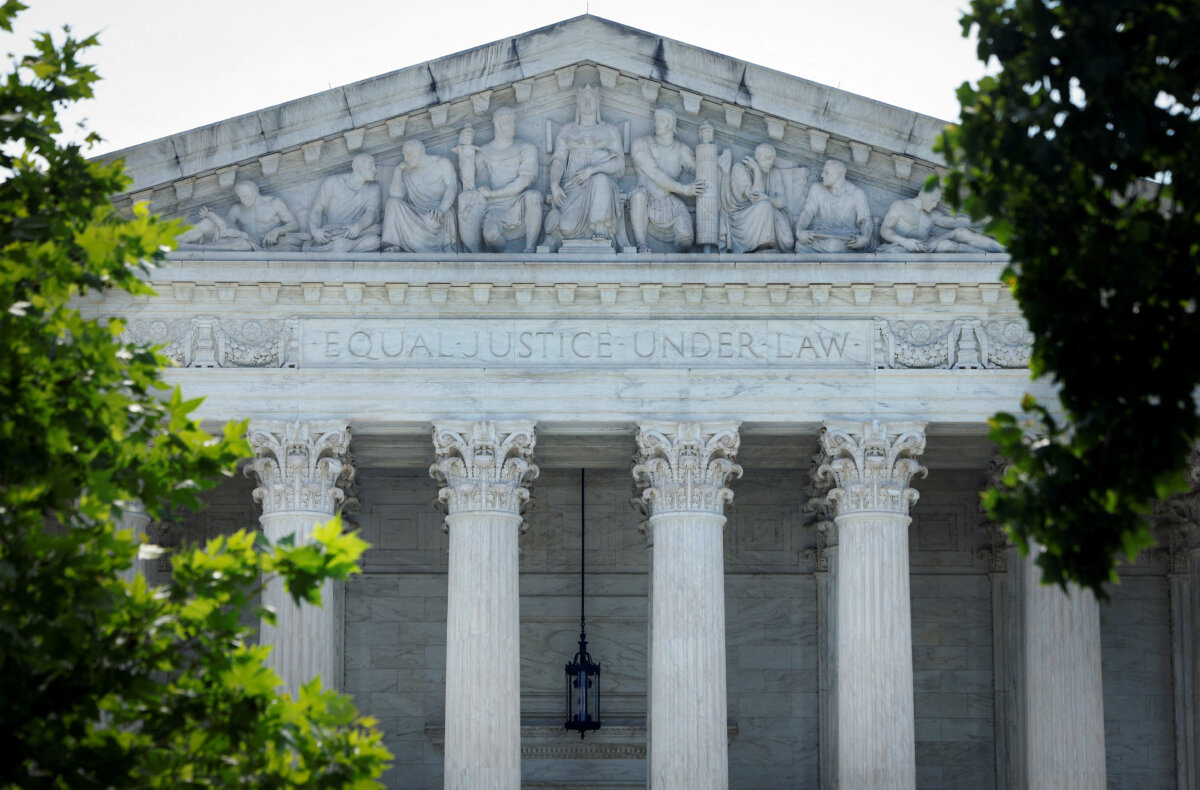
For the past 13 years, prosecutors have been attempting to take Jouppi’s Cessna U206D, an aircraft worth about $95,000, as forfeit. And the state has been winning. In April, the Alaska Supreme Court ruled that the prosecutors did not violate the Constitution’s excessive fines clause when they seized Jouppi’s plane.
“We hold, as a matter of law, that the owner of the airplane failed to establish that forfeiture would be unconstitutionally excessive,” Justice Jude Pate wrote on behalf of a unanimous court. “Forfeiture of the airplane constituted a fine within the meaning of the Excessive Fines Clause, and … the forfeiture is not grossly disproportional to the gravity of the harm caused by the offense.”
The court based its decision on a two-part test stretching back to the U.S. Supreme Court case of United States v. Bajakajian, a 1998 ruling that involved a man named Hosep Bajakajian who was traveling from the United States to Cyprus when he was, ahem, liberated of $357,144 because he failed to report the money to U.S. Customs.
A trial court ruled the forfeiture was “grossly disproportionate” to Bajakajian’s “crime,” and the Supreme Court agreed, ruling that the government violated the Eighth Amendment’s ban on excessive fines.
Apparently, however, seizing a man’s airplane over a passenger’s six-pack of Budweiser was not an excessive fine in the eyes of members of the Alaska Supreme Court. (One can only wonder whether they would have agreed with such a ruling if they were on the receiving end of such a verdict, which stripped an 82-year-old man of his plane and his livelihood.)
Fortunately, the Institute for Justice took up Jouppi’s case and appealed the ruling to the Supreme Court, noting that the Alaska decision ran afoul of various precedents interpreting the excessive fines clause.
“The Excessive Fines Clause of the Constitution was built for cases like this,” Sam Gedge, a senior attorney at the Institute for Justice, said.
One can only hope that the Supreme Court hears the case and brings justice to Jouppi, whose experience reveals a terrifying reality in modern America: Local governments routinely steal from people under the pretense of “law enforcement.”
Many Americans have no idea how widespread civil asset forfeiture is, in large part because law enforcement tends to target marginalized people who lack the resources to fight back in court.
In her groundbreaking article on the subject, Pulitzer Prize-winning journalist Sarah Stillman noted that the primary victims of the practice tend to be low-income individuals, immigrants, and people of color. Stillman’s reporting reveals that the practice involves routinely seizing property from people who aren’t even charged with a crime, let alone convicted, yet many of them lack the will or funds to fight back in court.
I read Stillman’s article when it was first published in the New Yorker in 2012, which happened to be the same year Alaska came after Jouppi’s Cessna. It terrified me.
When reading the 19th-century economist Frédéric Bastiat’s writings about legalized plunder and the perversion of the law, taxation naturally comes to mind. Civil asset forfeiture is something different. It’s a rougher, darker form of legal plunder, closer to legalized highway robbery than to the cold hand of tax collection.
Civil asset forfeiture strikes at the very heart of the Constitution, a document that spells out not what the government must do for you but all the things the government cannot do to you—such as take your stuff through excessive fines.
Jouppi deserves to keep his airplane. But this case isn’t just about him, and he knows it.
“I’m in my 80s now, and I’ve been fighting this for over a decade because I see it as my duty to ensure that the Bill of Rights actually means something,” Jouppi said.
Chief Justice John Roberts, I hope you’re listening.
Originally published in Washington Examiner
Views expressed in this article are the opinions of the author and do not necessarily reflect the views of The Epoch Times.
 Friends Read Free
Copy
Facebook
Tweet
Friends Read Free
Copy
Facebook
Tweet