
Commentary
At the time of this writing, a two-week ceasefire has been agreed to by the Trump administration and whoever is running Iran. Whether the ceasefire holds and leads to an end to the war remains to be seen.
Beijing Taking Advantage Where It Can
But in the meantime, China is doing whatever it can to adjust to the changing energy situation and take advantage of the U.S. focus on Iran as much as possible.
As the United States concentrates military, political, and economic attention on Iran, the Strait of Hormuz, and global oil stability, the Chinese Communist Party (CCP) is accelerating its long-term objective: control of the South China Sea.
The shift is not subtle; it is structural and is happening in real time.
China Resumes Island Militarization at Scale
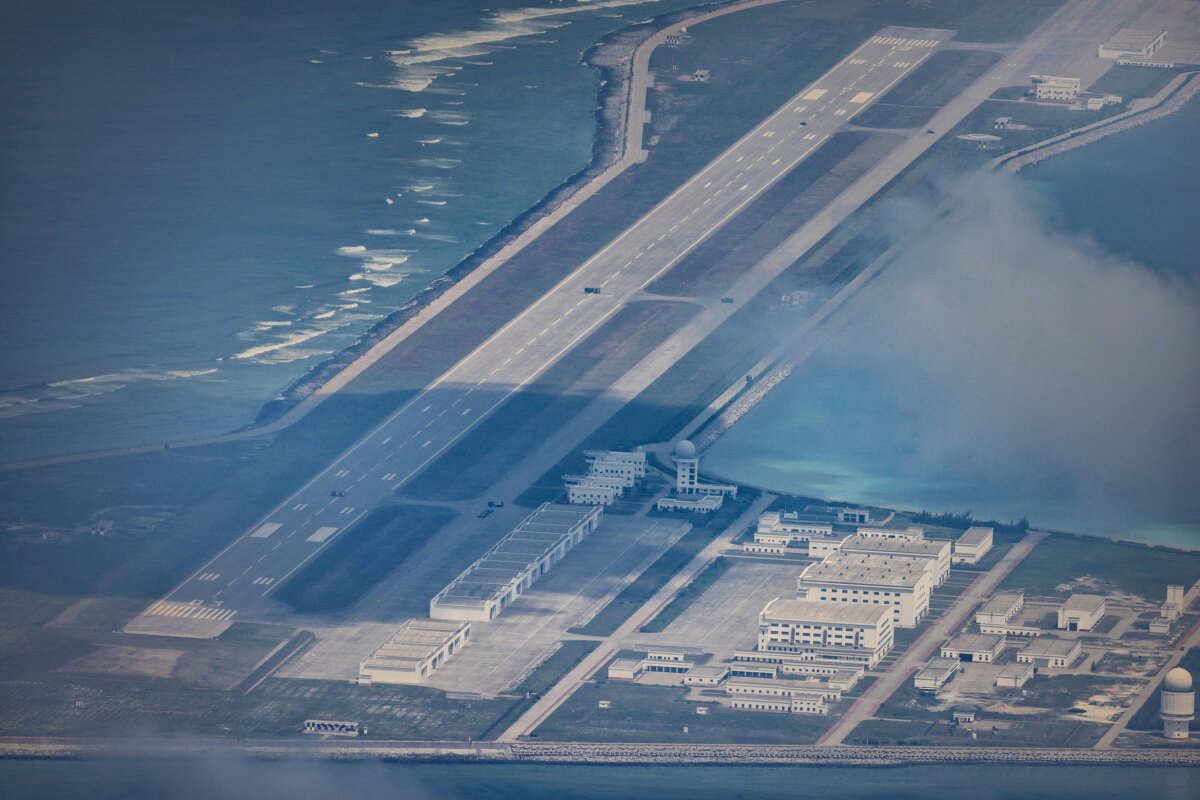
After relatively little activity over the past decade, the Chinese regime has restarted large-scale island-building and militarization across the South China Sea. Recent satellite analysis shows the CCP transforming remote reefs into full-scale military installations, complete with runways, missile systems, surveillance arrays, and port facilities.
For example, the development at Antelope Reef could rival China’s largest artificial island bases, significantly expanding its operational reach. These fortified reef-based outposts allow the CCP to project power deep into contested waters while strengthening territorial claims that have already been rejected by international rulings.
Thus, Beijing isn’t just occupying its maritime sphere of influence; it’s expanding and hardening it.
A Growing Naval Presence With Overwhelming Capabilities
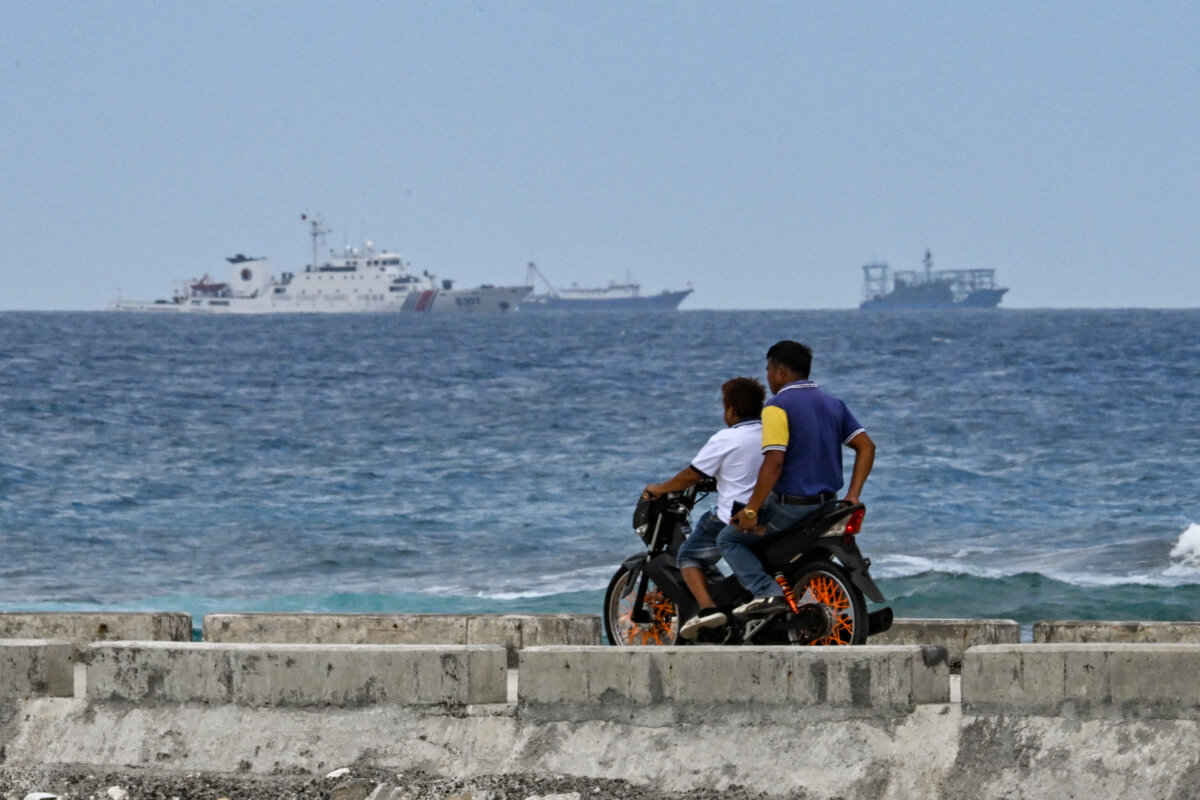
What’s more, China’s naval expansion is no longer incremental; it’s in mass deployment mode to dominate the Asia-Pacific region. Recent reporting indicates China has deployed more than 100 naval and coast guard vessels across regional waters, including the South China Sea.
This is not routine patrol activity. It is a sustained presence designed to normalize Chinese dominance. In fact, multiple Chinese naval formations are now operating simultaneously across the Western Pacific, testing regional responses and extending operational reach.
The message is unmistakable: Presence equals control, and China is present everywhere that it can be.
Controlling the Undersea Battlespace
But surface dominance is only part of Beijing’s comprehensive maritime strategy. Chinese forces are aggressively mapping the ocean floor across the Pacific and key maritime choke points in anticipation of hostilities with the United States.
Underwater drones are collecting data critical for submarine warfare, navigation, and stealth operations. This effort includes deploying sensors and conducting deep-sea surveys near U.S. and allied positions. The “transparent ocean” initiative is designed to give China real-time awareness of subsea environments and erode traditional U.S. advantages in undersea warfare.
In modern conflict, the seabed is as important as the surface. China is preparing for both.
Rising Defense Spending and Strategic Intent
China’s military expansion is backed by sustained financial commitment. In 2026, Beijing increased its defense budget by roughly 7 percent, reaching approximately $277 billion. The South China Sea is not a second-tier military objective, nor is it defensive spending; it is a forward-leaning, top military priority.
The CCP’s intention is to gain regional and ultimately global power projection. The ability to project power across the globe is a critical part of Beijing’s broader Indo-Pacific strategy. The plan integrates naval expansion, island militarization, and surveillance systems into a cohesive effort to dominate key maritime corridors.
Meanwhile, America Focuses on Iran
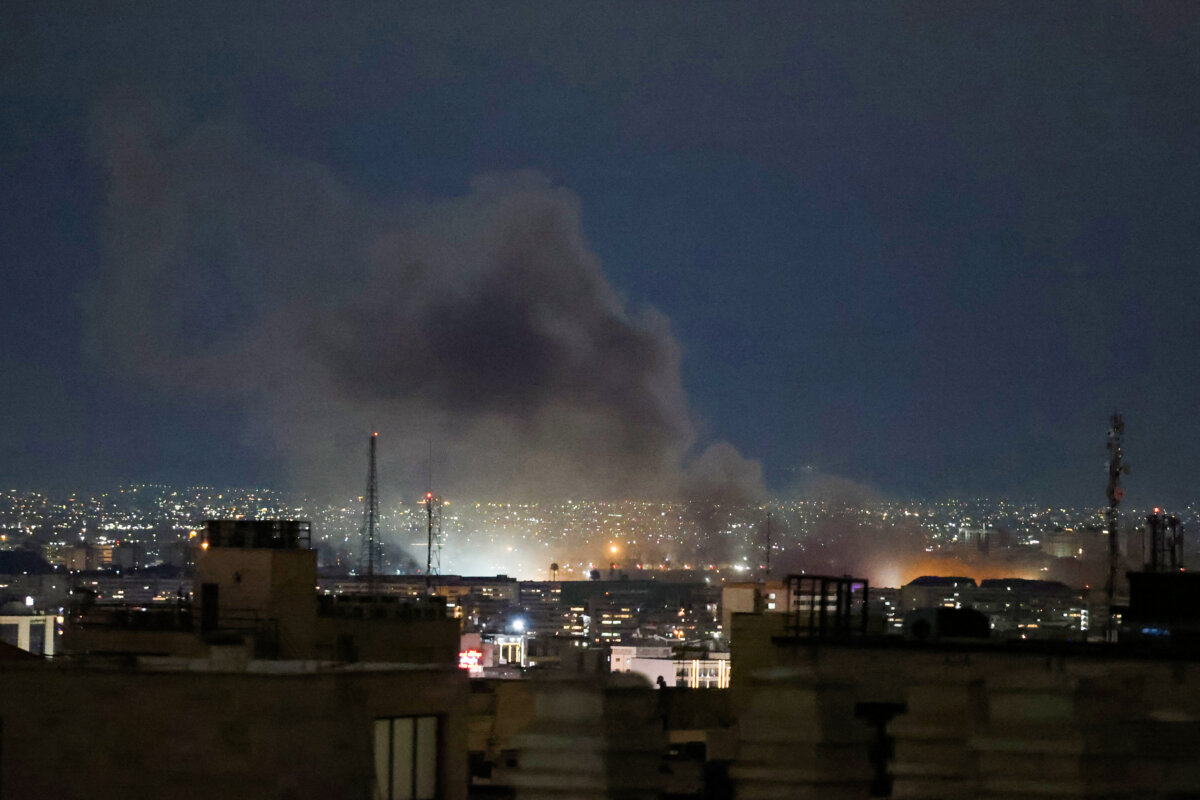
While the Chinese regime moves to consolidate its power in the Pacific and beyond, the United States is consumed by escalating tensions in the Middle East. Washington is currently engaged in its largest regional military buildup in years, with forces converging on the Persian Gulf.
At the center of this focus is the Strait of Hormuz, a narrow but critical choke point through which 20 to 25 percent of global seaborne oil passes. At the moment, the war is negatively affecting global oil markets. Recent confrontations, including drone shootdowns, tanker seizures, and naval standoffs, have turned the region into an active conflict zone demanding constant U.S. attention.
The war isn’t just a distraction; it’s an inflection point that will determine the future of American leadership in the world and will also affect China’s energy calculus going forward.
Strategic Asymmetry: China Plays the Long Game
For instance, the reassignment of the U.S. aircraft carrier USS Abraham Lincoln and its accompanying strike group from the South China Sea to the Middle East war theater has created space for China to accelerate construction and consolidation efforts.
As a result, China is executing a long-term strategic buildup in the Pacific methodically, deliberately, and without interruption.
This is not a coincidence; rather, it is Beijing taking advantage of opportunities as they arise.
Similar to the Strait of Hormuz, control of these waters means influence over global trade, supply chains, and military mobility. The CCP understands that whoever controls the sea lanes controls a significant amount of trade, which directly translates into power and influence in the region and the world.
Trading One Shipping Lane for Another?
What makes this moment particularly dangerous is the convergence of a volatile Middle East demanding immediate U.S. focus and the shifting balance of power in the Indo-Pacific. Critical maritime flashpoints from the Strait of Hormuz to the Strait of Malacca to the South China Sea are increasingly interconnected, stretching U.S. resources and complicating strategic prioritization.
While Washington is absorbed by the immediacy of Iran, oil flows, and regional instability, it appears Beijing is shifting the maritime balance of power in the South China Sea layer by layer, base by base, deployment by deployment. The rising concerns among U.S. allies in the region are that communist China’s military expansion could disrupt or dominate key international shipping routes.
Of course, they are right to be concerned.
Views expressed in this article are the opinions of the author and do not necessarily reflect the views of The Epoch Times.
 Friends Read Free
Copy
Facebook
Tweet
Friends Read Free
Copy
Facebook
Tweet