
Commentary
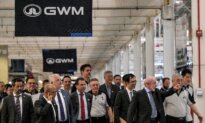
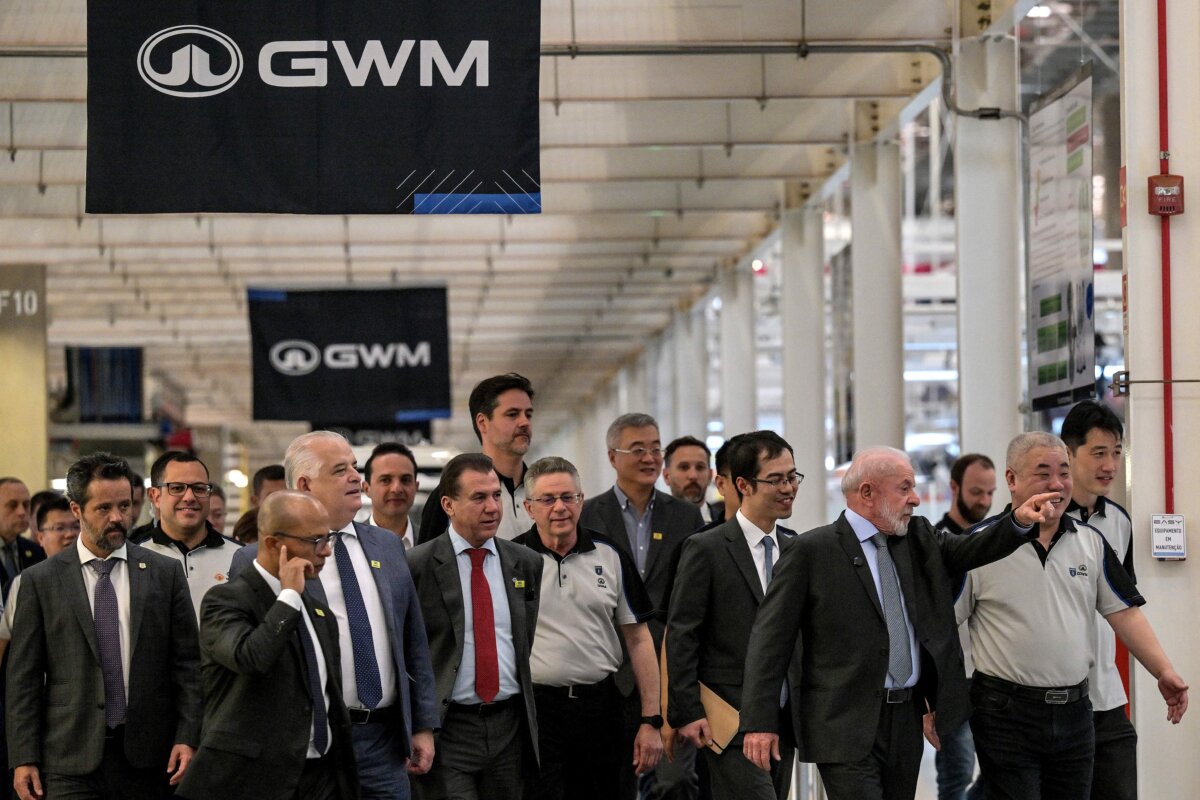
Chinese automaker Great Wall Motor Company has purchased an auto plant in São Paulo, Brazil. The plant reopened on Aug. 15 and will be operated by the company, which has ties to Beijing. It plans to export hundreds of thousands of cars every year throughout South America. Daimler AG, a German company, previously owned the plant. The shift is a sign of the times.
China is trying to replace the West, especially the United States, with other countries when it comes to trade. Brazil also wants to shift its trade away from the United States. Beijing and Brasília are taking this action in an attempt to punish the United States for imposing high tariffs on both countries. China’s agricultural imports from the United States decreased substantially during the first China trade war from 2017 to 2020, and may head in that direction again.
To achieve this, the Chinese Communist Party (CCP) is exporting more manufactured Chinese goods to third countries in exchange for their raw imports. Brazilian agriculture is a prime example. Increasing Brazilian agricultural exports to China is in exchange for more manufactured imports from China. This dynamic is replacing local Brazilian manufacturers and deindustrializing Brazil. It also hurts U.S. farmers. For example, their soybean exports to China are being replaced by those from Brazil.
Countries like Brazil, Russia, India, China, and South Africa (the BRICS nations) are trying to tariff-proof—and sanction-proof—their economies by trading with each other rather than with the United States. BRICS now includes 10 countries accounting for 41 percent of global GDP and half of the world’s population. So they have a good chance of building an international trade network with China at its center. The network may exclude the United States for maximum bargaining leverage. This strengthens China and weakens the United States, thereby undermining American values such as democracy and human rights.
President Donald Trump has rightly threatened China, Brazil, and India with high secondary tariffs of 100 percent if they continue buying products from Russia. After all, Moscow uses the proceeds to wage war against Ukraine. NATO chief Mark Rutte has also noted the threat of secondary tariffs against countries that trade with Russia.
Trump has threatened an additional 10 percent tariffs on countries that follow anti-United States BRICS policies, for example, in their attempts to displace the U.S. dollar with a BRICS currency. But such tariffs might not be enough to stop these policies. After the threat was made, 36 world leaders attended a BRICS summit in Brazil.
Brazilian coffee and beef producers, who are tariffed at 50 percent by the United States, are also turning toward China. These tariffs are among the highest U.S. tariffs against any country in the world. The Trump administration is, in part, imposing tariffs on Brazil in an attempt to free former President Jair Bolsonaro, a conservative, from his legal troubles there. The 50 percent tariffs have not achieved that aim but have had an unintended effect. They boosted nationalist public opinion in Brazil and poll ratings for the leftist president, Luiz Inácio Lula da Silva.
Lula’s response is to make common cause with China. Beijing welcomes this approach as it aids its attempt to portray itself as a defender of the “Global South.” But by doing so, Lula is putting his entire country at risk of becoming a satellite of the CCP. Beijing wants to erode the power of democracies, including Brazil, and turn them into autocratic dependencies. This contrasts sharply with America’s historic role of promoting democracy, free markets, and human rights around the world.
China has much to offer Brazil in its Faustian bargain. Beijing now provides visa-free travel for Brazilians and a $9 billion infrastructure credit line for Latin America, and it also controls or operates 31 ports throughout Latin America. Brazil and China are also cooperating on satellites and other space technologies that have dual military uses.
China is helping lay rail across Brazil’s agricultural regions, and planning to build a rail link between Brazil’s east coast port of Ilhéus and Peru’s western port of Chancay. The latter port can ship containers directly to China, without a port call in North America. This will shorten transit times from Brazil to China by 10 days.
The more that Brazil and the United States allow the CCP’s influence to increase, the more difficult it will be to reverse course. The more the world ignores American values to follow short-term profit and trade, the more countries choose to trade with China despite their continued deindustrialization.
To avoid disaster, the United States and other democracies must eventually rise above this commercial fray through a long-term strategic plan to cut the CCP off from its global network of trade and influence. Only then can we protect democracy, human rights, and other American values.
Views expressed in this article are the opinions of the author and do not necessarily reflect the views of The Epoch Times.
 Friends Read Free
Copy
Facebook
Tweet
Friends Read Free
Copy
Facebook
Tweet