
Commentary
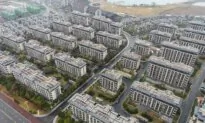
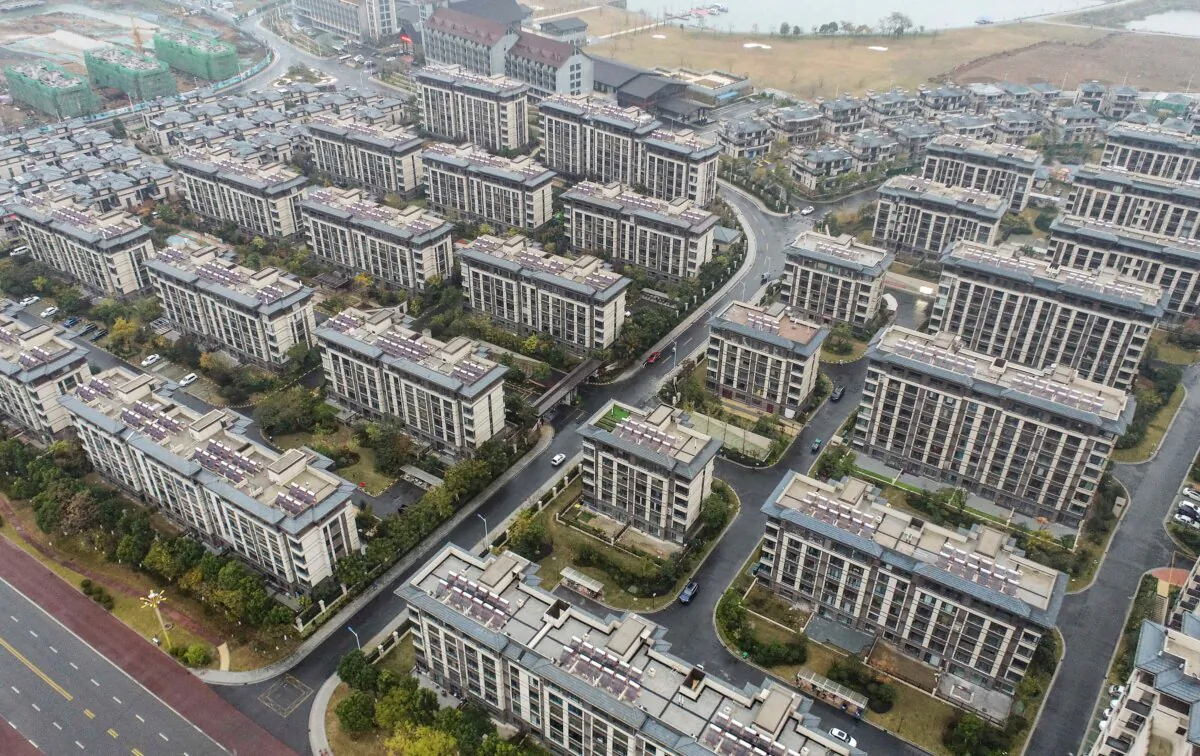
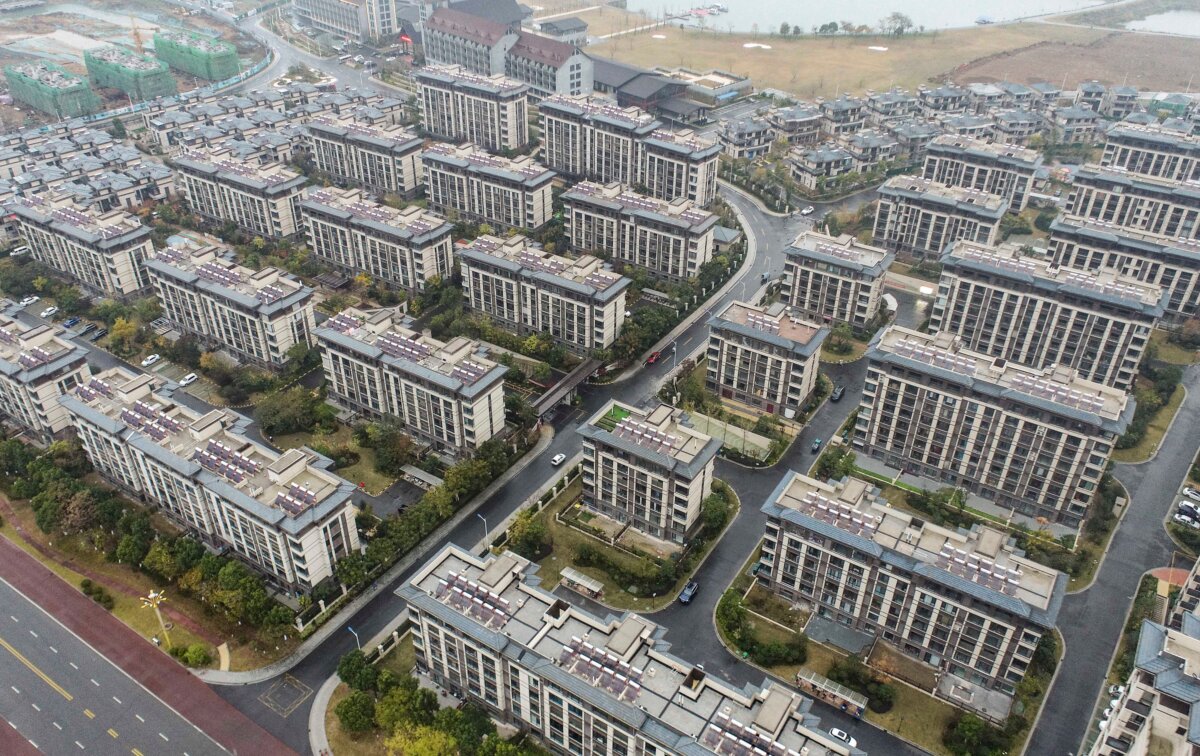
Having almost single-handedly caused China’s present property crisis, authorities in Beijing still seem clueless about how it happened or how to manage it. It isn’t even clear that the regime understands the gravity of the situation and the danger it presents to the financial system and the economy.
If Beijing can muddle through these challenges, it’ll be more from luck than effective management. In any case, the weight on the economy will linger for a long time to come.
Today’s crisis has grown almost entirely in the hothouse of Beijing’s central planning apparatus. It began in the late 20th century, when a dire housing need made centralized action obvious. Then, most Chinese lived in housing provided by their Communist Party work units. When economic liberalization gathered momentum in the 1980s and 1990s, housing boomed.
Beijing’s planners encouraged the movement, streamlining regulations for residential real estate development and providing easy financing through state-owned banks to both developers and individual homebuyers. Further encouragement and financing support came from local governments that could see a growing source of revenue from land transfer and sales fees.
All this fits the needs of the moment. But as China began to catch up with its housing needs, the authorities created problems by continuing the hype anyway. Beijing turned a blind eye to the changed circumstances because residential real estate development enhanced overall growth figures. Local governments continued their assistance because the move generated revenues, as much as 25 percent of all revenues in some locales.
Developers naturally responded to the continued government support, becoming increasingly leveraged in the process and pursuing more and more dubious projects. Individual buyers also responded to the continued financial support, extending themselves more than they otherwise might have. Residential real estate development rose to an astronomical 30 percent of China’s entire gross domestic product.
It was a disaster in waiting, and in 2020, Chinese leader Xi Jinping brought it on, no doubt inadvertently. In the middle of the COVID-19 pandemic that was already crippling China’s economy, Mr. Xi decided that real estate development was draining credit from his preferred areas of endeavor, mostly high-end technology. So before ramping up his preferred area, he launched a policy called three red lines. It imposed strict debt and cash flow requirements on real estate developers and effectively cut off the once generous flow of credit to which they had become accustomed.
As extended as the developers had become, they began to fail, beginning with the giant of the sector, Evergrande, in 2021. Others followed, and this year, another large developer, Country Garden, announced that it was having difficulty meeting its financial obligations. At last notice, Evergrande announced that its latest effort to restructure its offshore bond obligation had failed to meet regulatory requirements. Although the firm’s bondholders have received no notice yet, they’ve announced that they expect liquidation.
Country Garden has already missed two interest payments on its dollar-denominated debt and is in the process of restructuring its offshore obligations. These are similar to the stopgaps used by Evergrande in the past and don’t look especially promising.
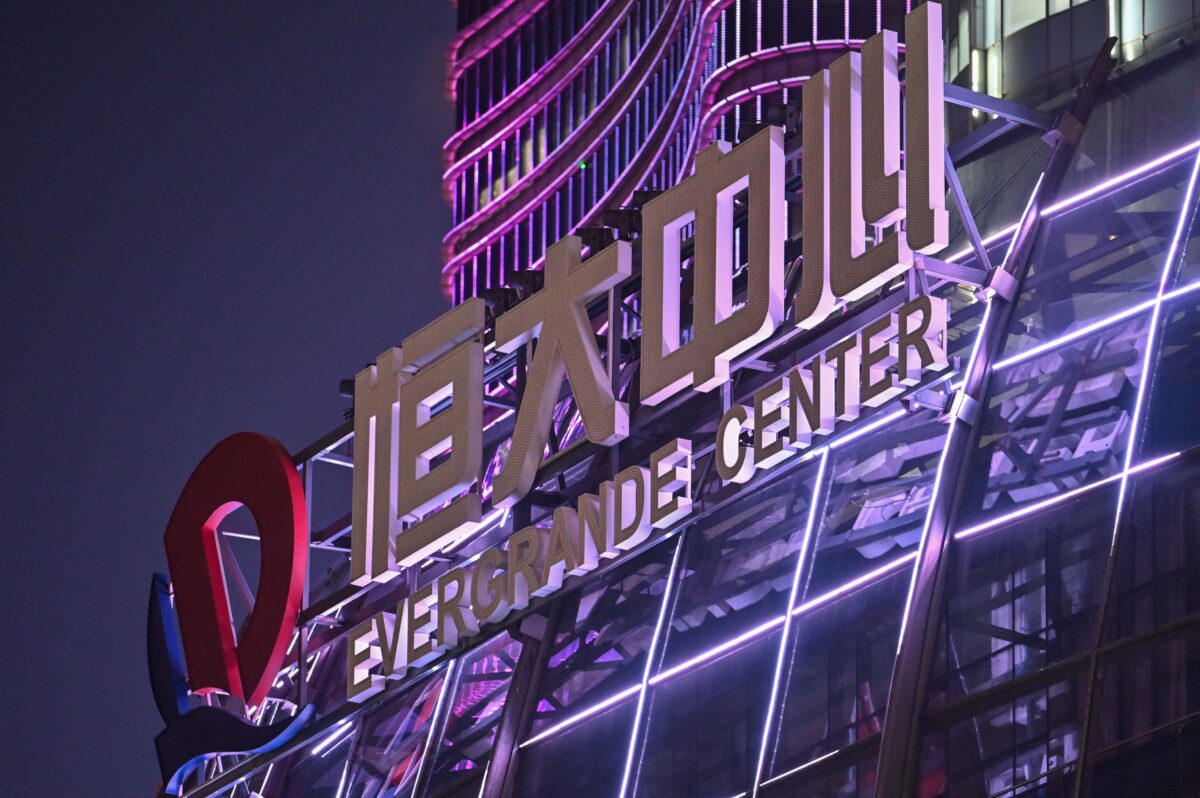
These failures—along with others since the crisis broke in 2021—have generated tremendous financial and economic fallout, as would the failure of anything that had constituted roughly 30 percent of the economy and had sucked down huge amounts of capital. Beijing has dragged its feet about the kind of aggressive action matters demanded. This official ineptitude has risked broad financial collapse, but Beijing has been lucky so far.
However, the viability of the banks was challenged as developers failed and challenged further as individual homebuyers refused to pay on mortgages they had taken to prepay for units on which Evergrande and other developers could no longer deliver. Denied payments on these loans, the banks and other lenders could have had trouble paying their financial obligations, and failure could have cascaded through the system as it did in the United States during the financial crisis of 2008. But even as developer loans fell from roughly 30 percent of all bank loans in 2019 to a mere 23 percent in 2023, large loan loss reserves of roughly 89 percent of all questionable loans enabled the banks to manage the loss.
Lucking out on the initial shock of this financial trouble still leaves Beijing facing a huge weight on the economy. A nation doesn’t lose a huge sector of its economy without suffering an equally huge setback in its growth momentum. And indeed, today, roughly three years after the troubles began, the property sector continues to shrink. After declines in late 2020, 2021, and 2022, investment in property has fallen an additional 8.8 percent this year through August, while home sales by value among China’s top 100 developers were in September almost 30 percent below year-ago levels.
Local governments have lost so much revenue from property sales and transfers that they face difficulties providing their people with basic government services. With property prices down by almost 8 percent over the past two years, Chinese households have seen a significant decline in their net worth, nearly 50 percent of which was tied to real estate. Accordingly, the Chinese consumer has shown a marked reluctance to spend, and economic growth has suffered accordingly.
Although Beijing has of late become more aggressive in supporting financial institutions and property developers—for example, by rescinding some of the strictures of the three red lines policy—the support remains small next to the need. Even if the regime in Beijing was willing to step up its game now, the damage is done—first from Beijing’s mistake of extending the support beyond the economy’s needs, then from abruptly removing it in 2020, and then for failing to respond promptly when the problems first became evident.
Views expressed in this article are the opinions of the author and do not necessarily reflect the views of The Epoch Times.
 Friends Read Free
Copy
Facebook
Tweet
Friends Read Free
Copy
Facebook
Tweet