
Commentary
In an economic statement released by the federal government in fall 2024, it was estimated that Canada could increase its GDP per capita by $2,900 through the liberalization of internal trade in goods. The issue of interprovincial trade barriers became even more acute when a trade war with the United States erupted. Canadians were inspired to buy locally, but discovered that many goods were easier or more inexpensive to purchase from American or even overseas sources due to regulatory roadblocks between provinces.
Prime Minister Mark Carney recognized the issue and made a bold promise to remove the federal barriers to interprovincial trade by July 1. The date is fast approaching, and Carney must make solid progress with Canadian premiers at the first ministers’ summit to be held June 2 in Saskatoon.
The Liberal government reduced federally imposed interprovincial trade barriers by roughly half in February and presumably is working to reduce those hindrances further. The remaining trade barriers across the country have been imposed by the provinces rather than the federal government. Carney’s leadership will be put to the test as he tries to convince premiers to drop policies designed to protect their local industries.
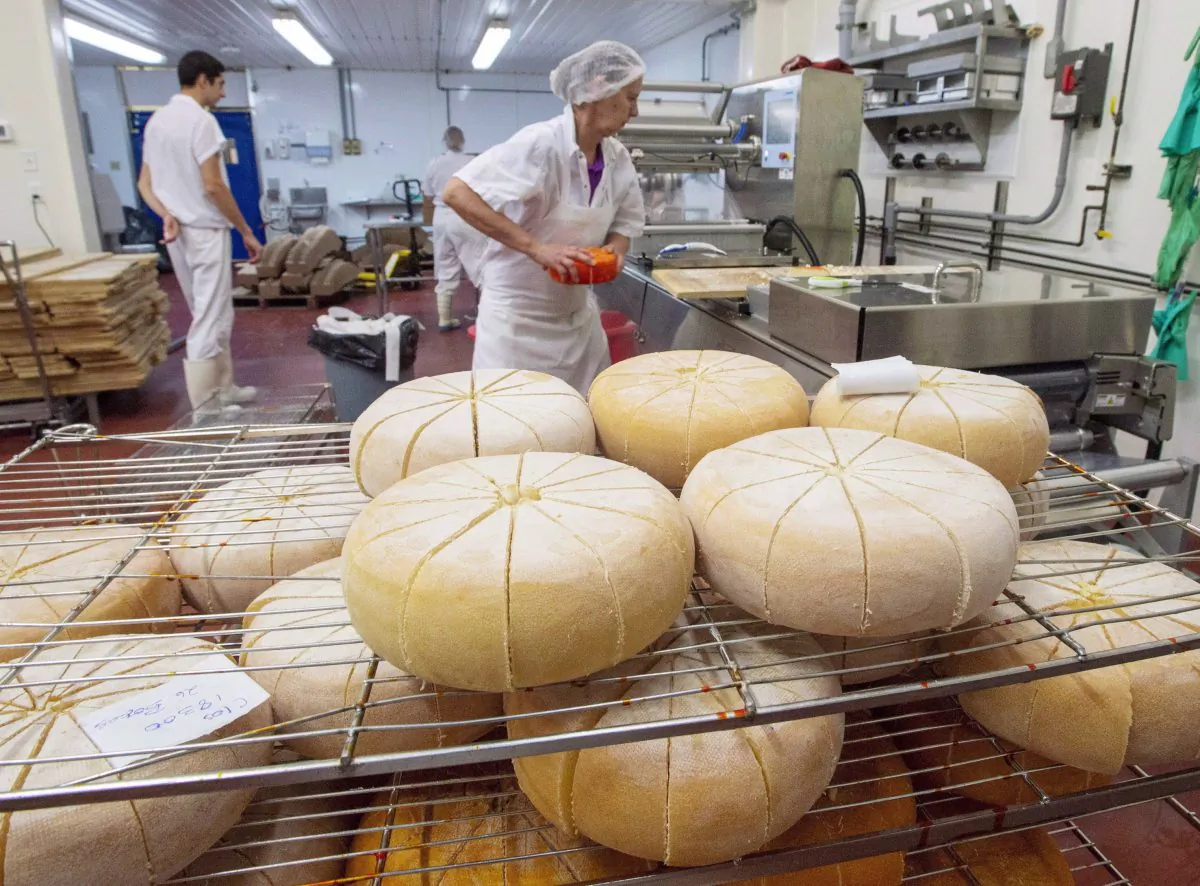
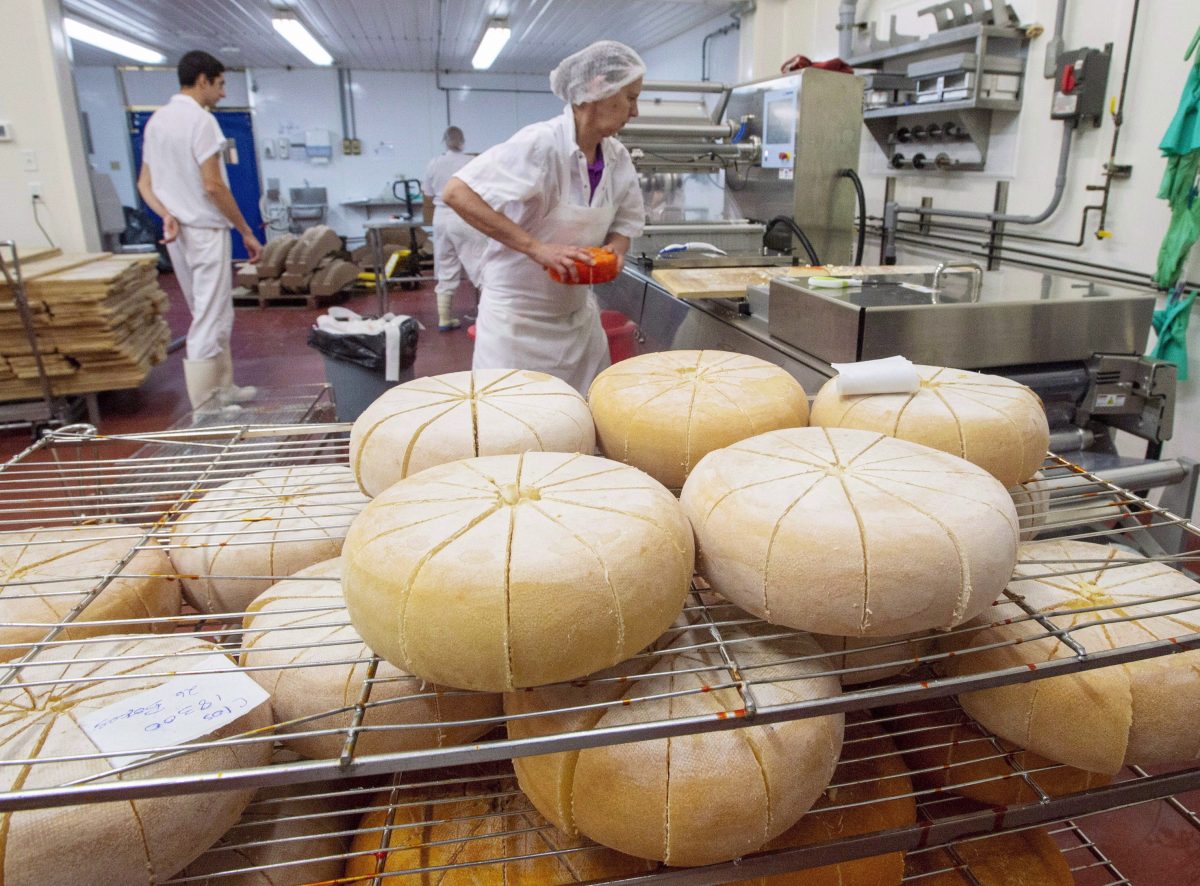
Supply management policies on dairy and poultry goods make it nearly impossible for products to freely cross between provinces, as it forces the establishment of provincially established regulatory bodies that restrict production and fix prices. Carney just endorsed a Bloc Québécois bill designed to make it impossible for the government to reform supply management. That doesn’t bode well for his chances of convincing other provincial leaders to drop protectionist policies. To be fair, the Conservatives are no more eager to wade into the supply management battle than the Liberals are, despite the policy being antithetical to basic free-market principles.
Liquor products are heavily regulated across the country by provinces. Policies are in place in every province to protect their local distilleries, breweries, and wineries. According to Matthew Holmes, executive vice-president and chief of public policy at the Canadian Chamber of Commerce, “It’s easier to get a bottle of wine from Chile than it is (to get one) from British Columbia.” Provincial governments are reticent to antagonize local liquor producers by allowing competitive products into their jurisdictions.
According to the Canadian Constitution, “All Articles of the Growth, Produce, or Manufacture of any one of the Provinces shall, from and after the Union, be admitted free into each of the other Provinces.”
While provincial protectionism is in clear violation of the Constitution, federal governments haven’t felt obliged to lower the boom on the practices in the role of a central authority. The Supreme Court ruled that while the liquor regulations in provinces may violate the Constitution, it is an acceptable violation. Wrap your head around that one.
Another sticky barrier between provinces is labour mobility. Many professions and trades require provincial certifications that aren’t transferable between provinces. Standardizing certification across the country makes sense, but it will draw opposition from some business owners trying to retain staff, and some labour unions trying to keep outside workers from competing for jobs. Premiers must tread carefully when trying to adjust the local certification requirements.
Provincial leaders often speak of tearing down internal trade barriers, yet fall short when it comes to action. Politicians know what must be done, but can’t find the courage to follow through with legislative changes. Former Prime Minister Justin Trudeau had little use for first ministers’ meetings during his tenure. With the lack of meetings and federal guidance, the barriers between provinces only grew. That’s where leadership from Ottawa must come into play and where Carney must make inroads. Carney is eager to call the meetings, but must make them productive.
National unity is fragile right now. The Prairie provinces have growing independence movements, and their premiers are taking adversarial stances against the federal government. Carney must try to quickly develop relationships with those premiers and encourage them to work with him and each other to deregulate trade within Canada. This can’t be accomplished in one meeting, but the path can be set.
The reward for success in removing interprovincial trade barriers could be big. If British Columbia alone got rid of its trade barriers, the Canadian economy could benefit by as much as $50.2 billion, never mind the rest of the provinces.
With Canadian counter-tariffs having been dropped, Carney must stimulate the economy somehow to make up the estimated $20 billion in revenue they were to draw. Cutting interprovincial trade barriers may do that. The barriers won’t come down immediately after the first ministers’ meeting, but Canadians will see if Carney will be capable of bringing them down at all. If he fails, one of his main campaign planks will have crumbled within months of coming into power.
Views expressed in this article are the opinions of the author and do not necessarily reflect the views of The Epoch Times.
 Friends Read Free
Copy
Facebook
Tweet
Friends Read Free
Copy
Facebook
Tweet