Commentary
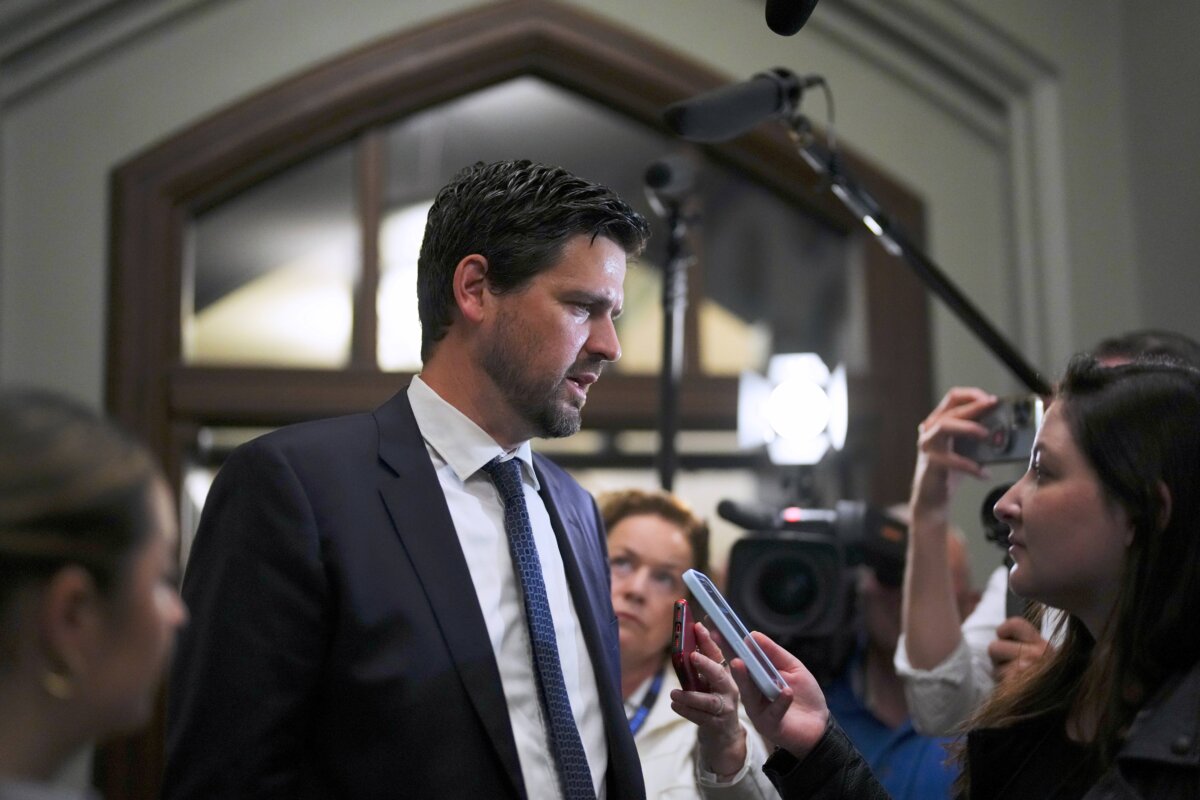
When a politician is caught spreading misinformation, an apology and retraction is expected, though not always granted. We don’t expect retractions and apologies from politicians when they tell the truth, though, yet that is what happened with federal Justice Minister and Attorney General Sean Fraser.
Fraser’s apology for stating a verifiable fact isn’t just novel—it sets a dangerous precedent and further entrenches misconceptions about the authority of indigenous people in Canada.
When recently questioned about indigenous concerns over planned projects across Canada, Fraser said, “It demands a very deep level of engagement,” but added that, from his understanding, it “stops short of a complete veto.” Fraser’s statements were respectful, clear, and correct. That didn’t stop activists from blowing up and demanding he retract his statements, however.
Within two days, Fraser was backtracking. “I had a call last night after National Chief Cindy Woodhouse reached out expressing her frustration, and I told her unequivocally that I wanted to apologize,” he told reporters.
When Canada’s attorney general can’t express a statement of an easily verifiable legal fact, we are in trouble. While Canada did endorse the UN Declaration on the Rights of Indigenous Peoples (UNDRIP), and UNDRIP does state that consent of indigenous people is required for developments and projects, Canada isn’t legally bound by UNDRIP. Multiple rulings from the Supreme Court have affirmed that First Nations do not have a veto authority under Canadian law even after the UNDRIP endorsement.
Canada does have a constitutionally entrenched obligation to consult indigenous people before large projects can be approved. However, the line between consent and consultation has been blurred by activists opposed to developments who falsely claim Canada is bound by UNDRIP stipulations.
Things got even more murky when hereditary chiefs appeared during the Coastal GasLink Pipeline construction, claiming their authority overrides that of elected chiefs in indigenous communities. Fearful of upsetting these unofficial community leaders, authorities tried to indulge them. That led to chronic delays and many standoffs as protests led by the hereditary chiefs resulted in arrests and court challenges.
The proponents of the Coastal GasLink pipeline did their due diligence and came to agreements with all 20 indigenous communities impacted by the line. When the hereditary chiefs appeared on the scene and claimed authority over elected indigenous leaders, they should have been immediately dismissed.
Indigenous people have every right to demand consultation when it comes to development on traditional lands. We can’t pretend poorly planned projects haven’t caused undue environmental damage at times in the past, or that indigenous people weren’t left out of potential economic development opportunities. Citizens in remote areas should be beneficiaries and partners in local development rather than victims of it. That said, they still don’t have a veto authority over lands outside of reserves, and that can’t be stated strongly enough.
True and full consensus is an impossible goal to set for large developments. There will always be some groups or activists opposed to developments, and eventually, the law of the land must override their objections. Extending consultation periods doesn’t lead to consensus, as many activists will never agree to developments under any circumstances. Long consultation periods are part of what has strangled Canada’s ability to get pipelines and other large resource projects to the construction phase.
Ontario Premier Doug Ford has vowed to use new legislation to fast-track resource development in the area known as Ontario’s Ring of Fire. Many indigenous activists are strongly opposing development in the mineral-rich region, and there’s sure to be a showdown. While the law may be on Ford’s side, Canada’s top lawyer just opened a can of worms by implying indigenous people have a veto authority on projects. Mining proposals in the Ring of Fire will die in the planning stages if that false authority is recognized.
The ongoing trade war with the United States sparked by President Trump’s tariffs has made Canadians realize how economically vulnerable Canada is due to a lack of diversity in export markets. For the first time in modern history, polls indicate that there is support for coast-to-coast oil and gas pipelines in every province in the country. Canada could be poised to begin a boom of resource development and exports unlike any seen since the 1950s. That will only happen if the federal government finds the courage and the will to ensure projects can be completed.
How many potential investors in resource development will turn away now that the government is implying there will be an indigenous veto authority?
Nobody can safely invest with that hanging over their heads.
The government must stand up for the law and respectfully make it clear there is no veto authority held by indigenous groups—and they must do it soon. Otherwise, the misconception of veto authority will become further entrenched and investment dollars will flee the nation, never to return.
The truth must win the day.
Views expressed in this article are the opinions of the author and do not necessarily reflect the views of The Epoch Times.
 Friends Read Free
Copy
Facebook
Tweet
Friends Read Free
Copy
Facebook
Tweet