
Commentary
The ongoing conflict surrounding Iran and the broader U.S. effort to reshape global energy flows is having a significant, lasting impact on China’s economy. As the world’s largest energy consumer and importer of crude oil, it is particularly vulnerable to disruptions in Middle Eastern supply routes and price volatility in global oil markets.
That’s exactly what’s happening under the Trump administration’s recent actions in Venezuela and Iran. In both cases, China has seen its energy access disrupted by U.S. military actions and instability.
Beijing is quite aware that U.S. foreign policy is designed to influence and reduce energy flows to China. In the case of Iran, it’s through sanctions enforcement, naval presence in key shipping lanes, and diplomatic pressure on Gulf producers. As a result, in 2026, China faces rising costs and growing uncertainty in its energy supply chain.
At the same time, China’s domestic demand for energy continues to surge because of more electrification, industrial expansion, artificial intelligence (AI) infrastructure, and electric vehicle (EV) production.
These combined pressures are accelerating economic pain and restructuring in China across several areas.
Rising Manufacturing Costs and Reduced Industrial Competitiveness
Because China is the global leader in energy-intensive industries such as steel, chemicals, cement, and aluminum, it imports a large share of its oil from the Middle East. Therefore, any price spike quickly feeds into Chinese industrial costs.
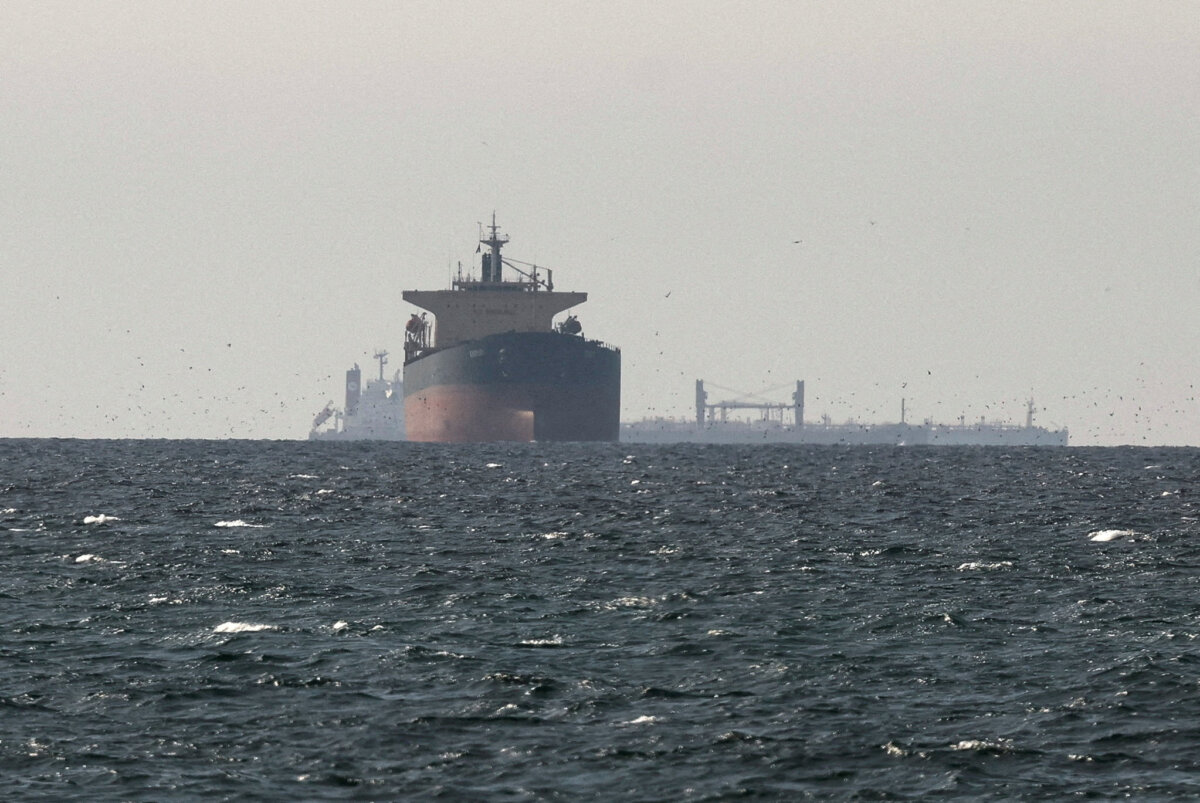
In short, China is very sensitive to global energy supply disruptions. The instability in the Persian Gulf is expected to push global oil prices higher by threatening shipping through the Strait of Hormuz, one of the world’s most critical energy chokepoints.
Even modest increases in power costs significantly raise China’s production expenses in heavy industry. When oil and electricity prices rise, production costs in these sectors increase sharply.
The economic implications are clear. If energy costs remain elevated because of geopolitical instability and U.S. pressure on Iranian oil exports, China’s traditional advantage as a low-cost manufacturing hub could erode further, causing it to lose more of its price-competitive edge and accelerating the relocation of supply chains to Southeast Asia and India.
US Pressure on Iranian Oil Sales to China
A key strategic dimension of the Iran conflict involves Washington’s efforts to control and even restrict Iranian oil flows to China. Yet despite U.S. sanctions against the sale of Iranian oil, China has been a primary buyer of Iranian crude in recent years. It has done so by purchasing oil through intermediary traders and “shadow fleet” tanker networks.
However, in addition to replacing the anti-U.S., pro-China Islamic regime, the United States is targeting these shipping networks used to transport sanctioned Iranian crude. If the United States can constrain those clandestine Iranian exports, China will need to source more oil from Saudi Arabia, Russia, or other suppliers—often at higher prices—raising input costs across its economy.
Surging Energy Demand From Technology and Electrification
At the same time that oil supply risks are increasing, China’s energy demand continues to grow rapidly, expanding faster than economic output because of several structural shifts in its economy.
At the heart of that demand is China’s massive expansion of data centers, AI infrastructure, and EV manufacturing. Data centers and AI computing clusters alone require enormous amounts of power, particularly as cloud computing expands. What’s more, EVs now outsell traditional cars.
These structural changes are driving a surge in electricity demand, placing additional strain on the country’s energy system. In fact, China’s electricity consumption recently surpassed 10 trillion kilowatt-hours, making it the world’s largest single-country power consumer, surpassing the energy demands of the United States and the European Union combined.
When energy demand rises faster than economic growth, energy costs become a larger share of total production costs, putting pressure on both businesses and consumers.
Accelerated Push Toward Energy Independence
But the Iran war and rising geopolitical tensions aren’t the main drivers of China’s efforts to restructure its economy and energy production matrix. Beijing has been moving in that direction for years. However, the recent events in Iran and Venezuela are certainly reinforcing Beijing’s long-term strategy of reducing dependence on foreign energy supplies.
Beijing’s transformative energy policy has already made China the world’s largest investor in renewable energy and nuclear power, with more renewable energy capacity than any other country. By expanding solar, wind, and nuclear capacity, as well as massive investments in power grid expansion and battery storage systems, Beijing hopes to shield its economy from volatile oil markets and geopolitical pressure from the United States and its allies sooner than later.
While renewable expansion will improve long-term energy security, in the meantime, the transition requires massive infrastructure spending that raises short-term electricity costs.
Growing Energy Import Dependence and Strategic Vulnerability
The Iran war is more than a regional conflict—it is reshaping the global energy system in ways that directly affect China’s economic trajectory. As the world’s largest energy importer, China faces mounting pressure from rising oil prices, potential supply disruptions, and U.S. efforts to restrict Iranian energy exports.
Although China’s long-term strategy focuses on reducing reliance on external energy sources, its economy remains vulnerable to energy price fluctuations, especially for imported oil and natural gas. Because about one-fifth of global seaborne oil passes through the Strait of Hormuz, any disruption there would affect China’s energy supply more severely than most economies.
The combination of geopolitical conflict and rising domestic demand means that energy will remain one of the most powerful forces shaping China’s economic future.
How Beijing will sustain itself in this crucial period of rising demand and prices remains to be seen, but it may well include steps such as building up its strategic reserves, relying on more expensive alternative suppliers, and perhaps even providing naval protection of shipping routes.
Views expressed in this article are the opinions of the author and do not necessarily reflect the views of The Epoch Times.
 Friends Read Free
Copy
Facebook
Tweet
Friends Read Free
Copy
Facebook
Tweet