
Commentary
Based on Neil Simon’s classic play and the film that followed, the television sitcom “The Odd Couple” featured Oscar Madison (Jack Klugman), a sloppy, cigar-smoking, poker-playing sportswriter, and his new apartment mate Felix Unger (Tony Randall), a neat freak and neurotic photographer who abhorred smoking. It was a classic mismatch that brought lots of laughs.
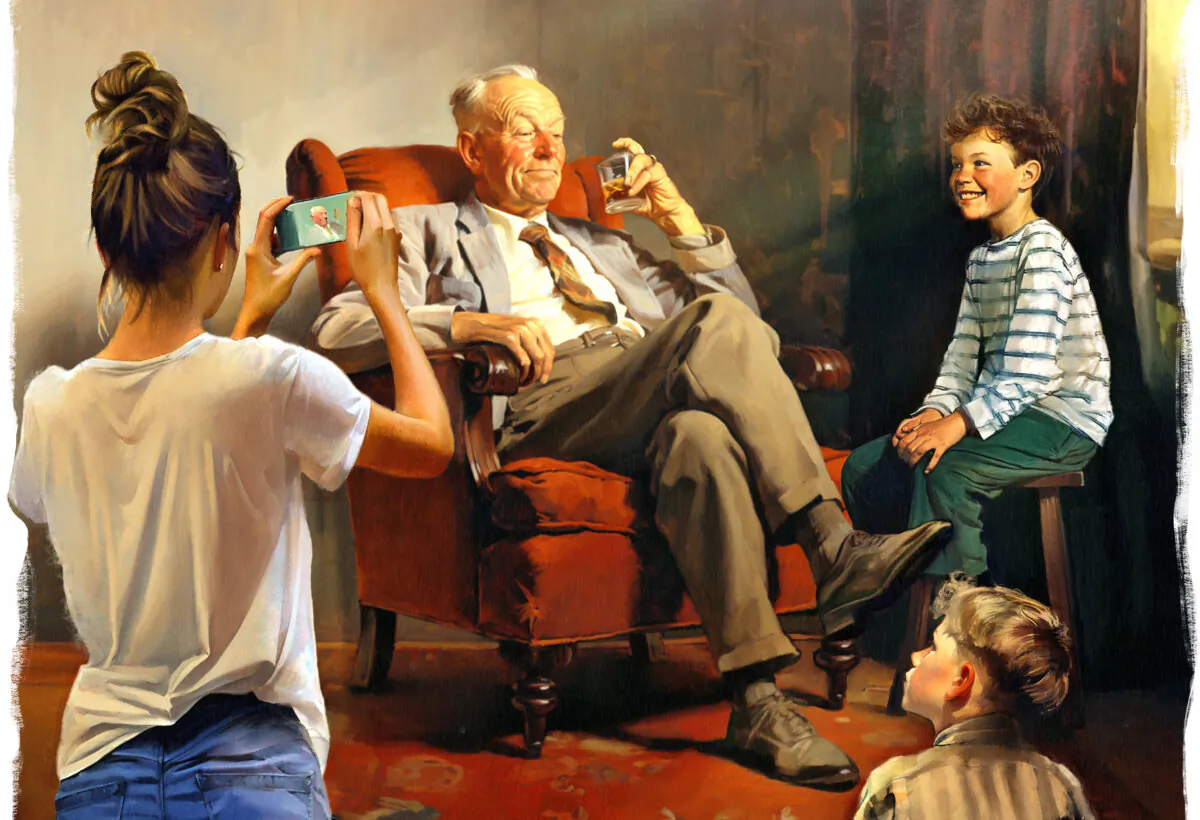
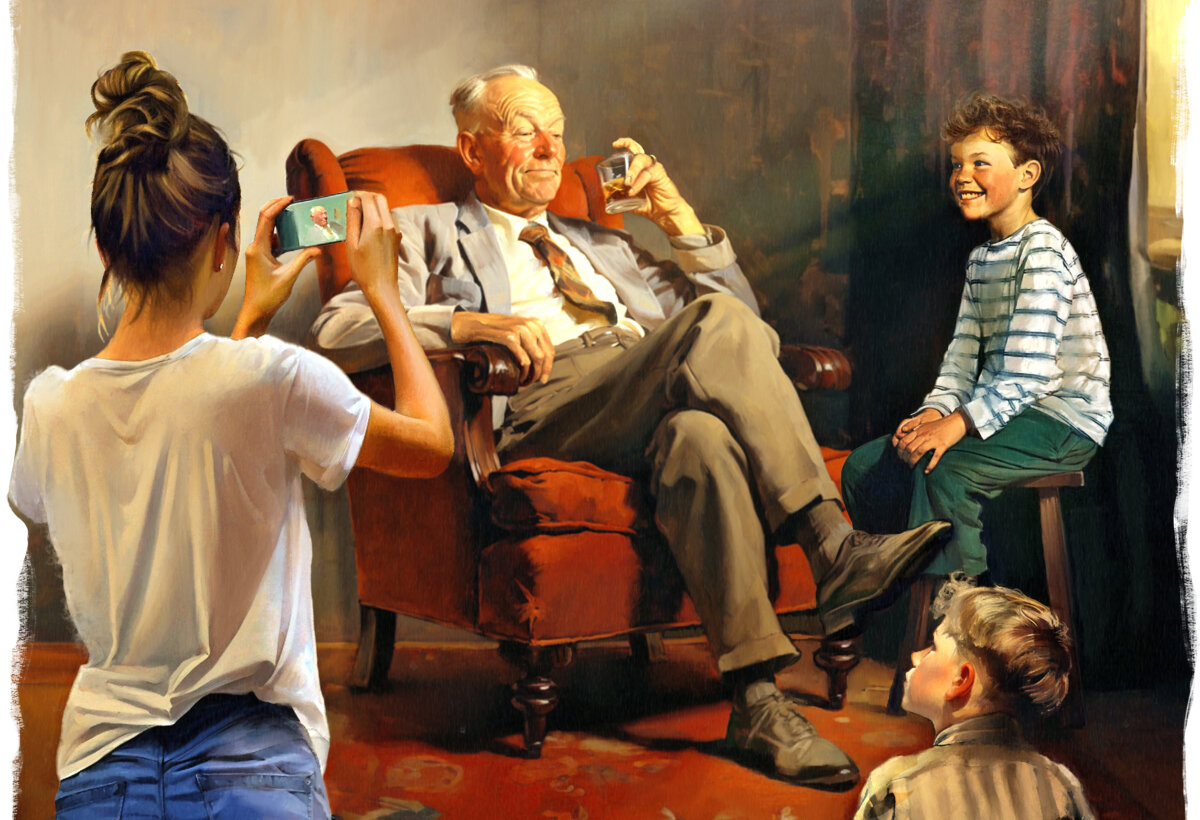
Now, consider this version of the story. A 75-year-old who has spent six years living alone opens his apartment to his 17-year-old granddaughter so she can attend a private Catholic day school 300 miles from her parents’ home. He’s a freelance writer who formerly spent the bulk of his days in pleasant solitude, and she … well, she’s a teenager.
That’s been my life for the past seven months. She’s a good kid, overall, and we’ve gotten along reasonably well, yet sometimes when I’m with my granddaughter and her friends I feel like an anthropologist plunked down in the middle of a strange tribe in a strange land. The natives speak my language—most of the time—but their customs and interests are worlds apart from my own.
Here are three observations from my encounter with the Gen Z tribe that might benefit readers, and our country.
A Common Goal Overcomes Differences
Contentment for me lies in reading, writing, and meetups with my friends, my adult children, and my grandchildren. The granddaughter’s chief amusements are listening to music through headphones for hours, dancing, slicing up and eating pineapples, and spending as much time as possible with friends, particularly with one young man.
Yet we share a common goal: a high school diploma. That’s why she’s here and that’s what we’re both after, with me acting as cheerleader and sometime coach and she as the player in the game. Pursuit of that holy grail makes us a team.
In July 1776, America’s Founders concluded the Declaration of Independence by writing that “for the support of this Declaration … we mutually pledge to each other our Lives, our Fortunes and our sacred Honor.” These men shared a vision of “Life, Liberty and the pursuit of Happiness.” This year, we might try renewing their pledge to that shared objective, thereby mitigating the divisions and differences among us.
Disinterestedness Is a Neglected Virtue
In a 1787 letter to James Madison, Thomas Jefferson wrote of John Adams, “He is as disinterested as the being which made him.”
To be perceived as disinterested was a high compliment in the age of America’s Founders. It meant putting all consideration of personal gain aside and pursuing a goal without thinking of the self or even of success.
A grandparent can bring a degree of disinterestedness, of objectivity, to a situation often beyond the power of a parent. After all, we’ve already raised kids from infancy to adulthood, plus we’re less likely to be as emotionally entangled as the parent in the life of a child.
My acquisition of a disinterested stance, I admit, came only with time. For the first few months in our shared quarters, I suffered frequent bouts of GDS (granddaughter derangement syndrome). I’d look at her and think, “She’s wasting time, she needs to focus more on the future, she needs to become a decision-maker,” and more. I spent hours wrestling with these fruitless speculations and can still slip into GDS mode with hardly a blink of the eye.
Yet I’ve also become much more adept at taking a disinterested attitude toward her welfare. I throw aside my opinions and keep my eye on that diploma, now only two months away. Hovering over her as “helicopter grandpa” is unhealthy for both of us. Instead, I offer suggestions from time to time, leaving it up to her to accept or reject them.
If more politicians—and the rest of us, as well—practiced disinterestedness, putting the good of the country ahead of personal gain and party agendas, we’d see vast improvements in our lives and the life of our nation.
Responsibility Is a Key Marker of Adulthood and a Republic
Although sometimes altered by school events, the schedule works this way. On Friday, Saturday, and Sunday, she’s free to get together with friends. Monday through Thursday, she spends her free time at the apartment, studying and working on school projects while listening to her beloved music. On those same days, the two of us together work 15 minutes daily cleaning the apartment. She’s responsible for suppers on Tuesday and Thursday, while Monday and Wednesday belong to me. When she’s off with friends, she must tell me where she is and show up at the hour we’ve set for her return, an obligation admirably met.
In a speech delivered in 1902, President Theodore Roosevelt said, “The first requisite of a good citizen in this Republic of ours is that he shall be able and willing to pull his weight—that he shall not be a mere passenger.” His words were true then and they’re true now.
In late summer, my granddaughter will turn 18 and legally become an adult. Any fool can achieve that goal. What we want are grown-ups, young men and women who understand and practice responsibility, and so pull their own weight. That’s my wish for my granddaughter. That’s why we live together under our house rules.
My granddaughter stands on the cusp of what I hope will be a bright future. I stand closer to the cusp of a grave. If “in dreams begin responsibilities,” as William Butler Yeats wrote, then teaching the young to take charge of their lives will keep the American dream alive. And if the dead are allowed their dreams, my final sleep will be all the sweeter knowing that the republic lives on.
Correction: A previous version of this article misspelled the name of actor Tony Randall. The Epoch Times regrets the error.
Views expressed in this article are the opinions of the author and do not necessarily reflect the views of The Epoch Times.
 Friends Read Free
Copy
Facebook
Tweet
Friends Read Free
Copy
Facebook
Tweet