
Commentary
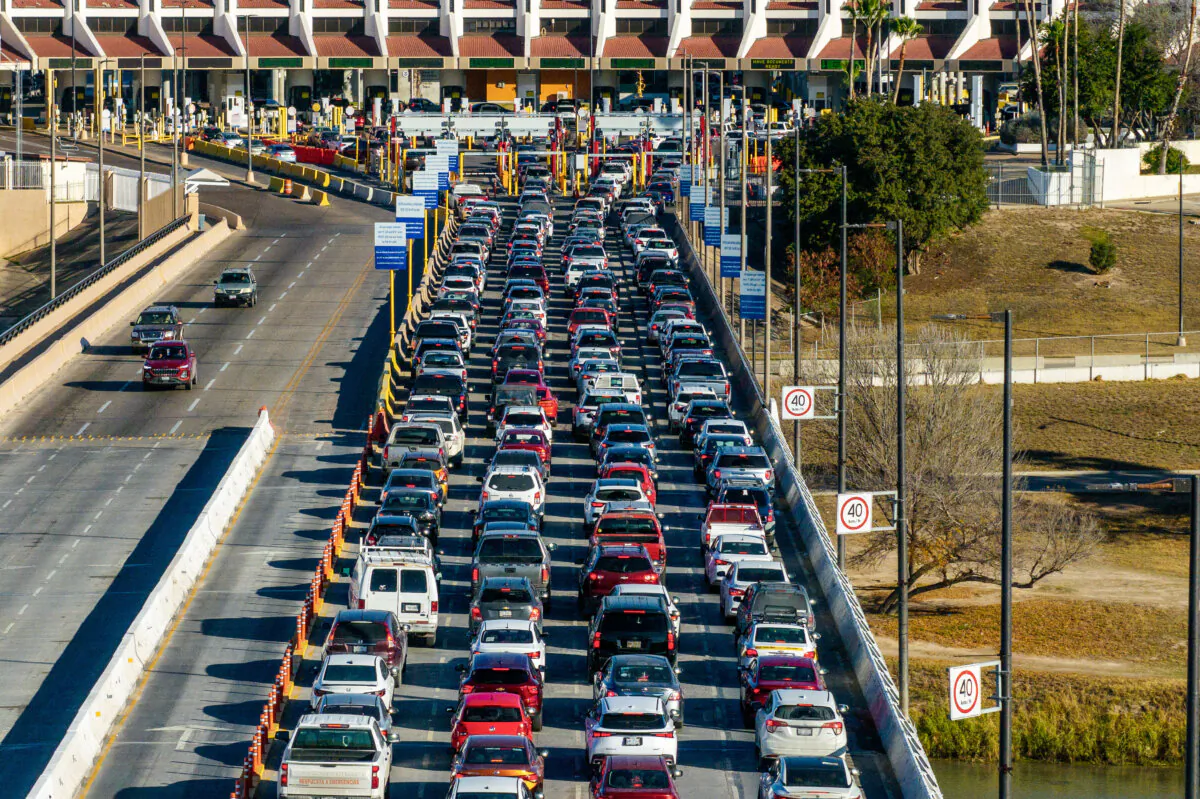
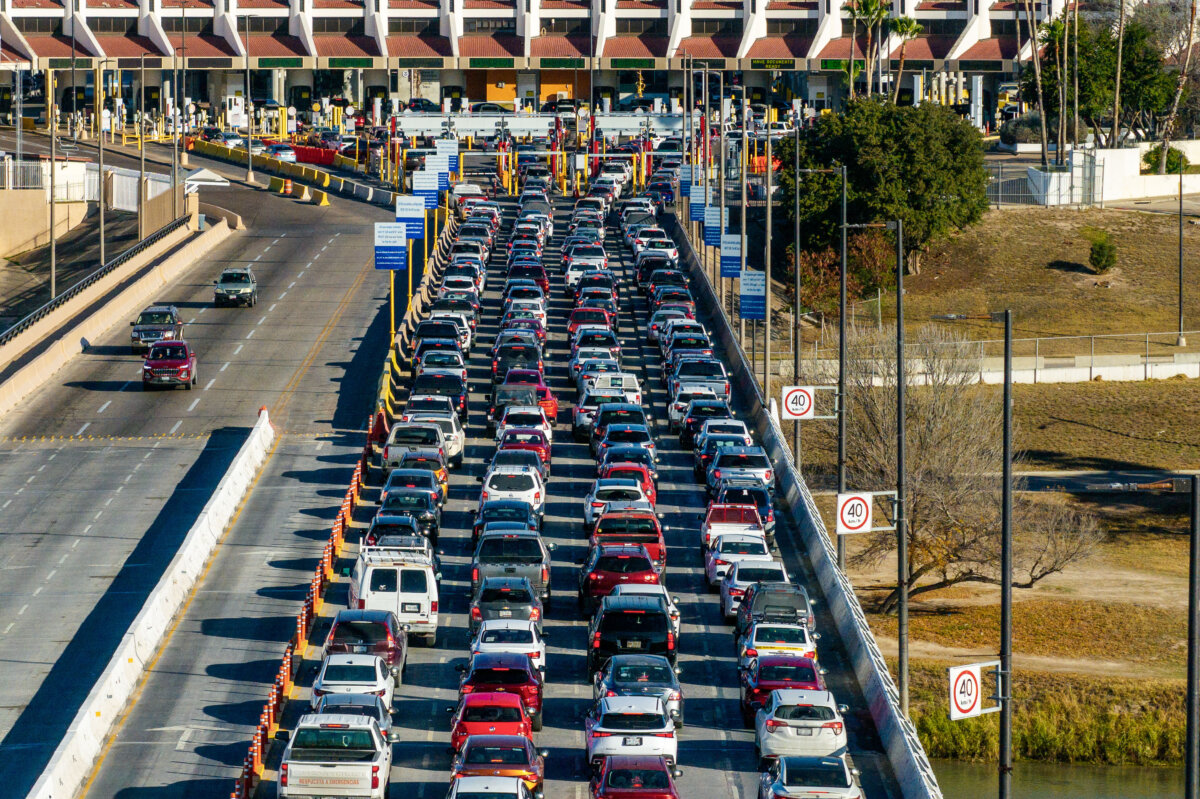
The U.S. efforts to reduce China’s influence in Latin America via Panama and Venezuela are missing a significant source of Chinese counter-U.S. action in the hemisphere. In several ways, Mexico is China’s greatest strategic partner, as Beijing’s penetration of the United States increasingly runs through Mexico.
What’s more, the range of Mexico’s collaboration with Beijing spans the spectrum of legal and illegal activities—a multi-layered system involving fentanyl precursor trafficking, cartel partnerships, money laundering, industrial relocation, sanctions evasion, and exploitation of the U.S.–Mexico–Canada Agreement (USMCA).
Mexico has become Beijing’s economic and logistical back door into the United States.
China’s Manufacturing Migration Into Mexico
As U.S. tariffs on Chinese goods intensified during the U.S.–China trade war, Chinese companies rapidly shifted production into Mexico to maintain access to U.S. consumers while avoiding direct tariff exposure. Analysts at the Brookings Institution concluded that there is substantial evidence that China is circumventing U.S. tariffs through Mexico using transshipment, supply-chain integration, and direct Chinese investment into Mexican manufacturing.
Chinese companies have poured billions of dollars into industrial parks, auto parts manufacturing, electronics assembly, and logistics hubs across northern Mexico. Under USMCA rules, products sufficiently transformed inside Mexico can legally enter the United States with dramatically lower tariffs than if shipped directly from China.
Mexico recently surpassed China as the United States’ largest trading partner. But that is not the whole picture. CNBC reported that Mexican exports to the United States reached approximately $475 billion in 2023, driven in part by Chinese companies relocating production facilities south of the border.
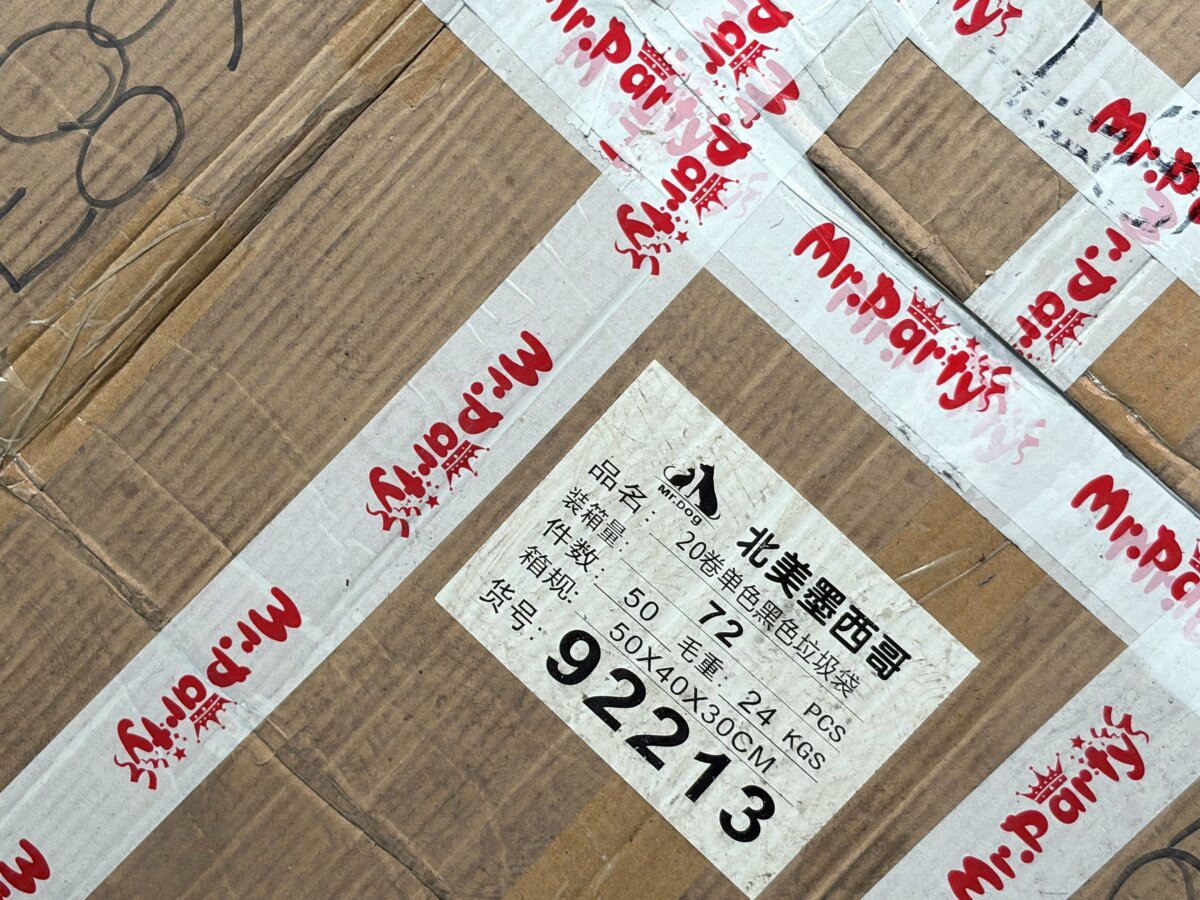
Beijing’s strategy is simple: manufacture under Chinese ownership inside Mexico, apply “Made in Mexico” labeling, and gain preferential access to U.S. markets through USMCA.
The Cartel Connection and the Fentanyl Pipeline
Although China remains Mexico’s second-largest trading partner, Mexican President Claudia Sheinbaum has taken several steps to appease, if not align with, the United States. On the one hand, Mexico and Canada have explored maritime trade routes that bypass the United States. On the other hand, Sheinbaum has simultaneously deepened security pacts with the U.S. State Department because she has to placate the United States.
Mexico is under pressure to apply stricter “rules of origin” and investment screening to ensure that “nearshoring” benefits North America, not Beijing.
But China’s relationship with Mexico is not merely commercial. It increasingly intersects with organized crime.
According to Brookings Institution research, China remains the dominant source of precursor chemicals used by Mexican cartels to manufacture fentanyl and methamphetamine destined for the United States.
The Sinaloa Cartel and Cartel Jalisco Nueva Generación rely heavily on Chinese chemical suppliers. Even after Beijing formally restricted fentanyl-related substances, Chinese producers shifted toward exporting precursor chemicals and pre-precursors that remain difficult to regulate internationally.
The result has been catastrophic for the United States.
Synthetic opioid deaths exploded over the past decade, with fentanyl now responsible for tens of thousands of American overdose deaths annually. U.S. law enforcement agencies repeatedly identify Mexican cartel distribution networks and Chinese precursor suppliers as central components of the supply chain.
The crisis intensified after Washington’s pressure campaigns against adversarial oil-producing states such as Venezuela and Iran disrupted global black-market financial networks. Criminal organizations increasingly diversified into synthetic narcotics and transnational money laundering operations tied to Chinese underground banking systems.
Brookings researchers also found that Chinese criminal actors have become deeply involved in laundering cartel proceeds, frequently bypassing traditional banking systems through trade-based laundering, cryptocurrency transfers, casinos, shell companies, and bulk cash movement.
Mexico as a Strategic Gateway Into the US
The broader strategic issue is that China increasingly views Mexico not simply as a trading partner, but as a geopolitical access point into the United States’ economy and infrastructure.
Chinese companies now operate across sectors tied to logistics, ports, telecommunications, industrial parks, and supply chains critical to North American manufacturing. Meanwhile, weak governance and corruption inside parts of Mexico create fertile ground for influence operations and illicit commerce.
The Center for Strategic and International Studies warned that Chinese companies are rapidly expanding their footprint in Mexican infrastructure and manufacturing sectors closely tied to U.S. supply chains.
Reuters has also reported growing U.S. concern about Chinese industrial parks and factory projects in northern Mexico that may give Beijing strategic economic leverage near the U.S. border.
Multiple investigations have alleged that Chinese criminal and commercial networks exploit bribery and corruption to secure operational protection inside Mexico. Criminal organizations thrive where oversight is weak and economic incentives are enormous. A report from the U.S.–China Economic and Security Review Commission warned that Chinese organized crime networks are increasingly cooperating with Latin American cartels in money laundering and illicit finance operations throughout the region.
This convergence of state-aligned commercial interests, organized crime, and strategic manufacturing relocation creates a hybrid threat environment unlike traditional Cold War espionage.
The concern is no longer simply that Chinese goods enter the United States through Mexico. The concern is that hostile-state influence, illicit financing, narcotics trafficking, and industrial dependency increasingly move through the same channels.
Iran, China, and the Expanding Sanctions-Evasion Network
China’s deepening partnership with Iran further complicates the picture.
Recent U.S. sanctions targeted Chinese companies accused of helping Iran evade sanctions, including entities allegedly supplying satellite imagery and logistical support tied to Iranian military operations. The U.S. Treasury Department also warned U.S. financial institutions about Iranian money-laundering networks using shell companies, false shipping records, and offshore structures connected to China and Hong Kong.
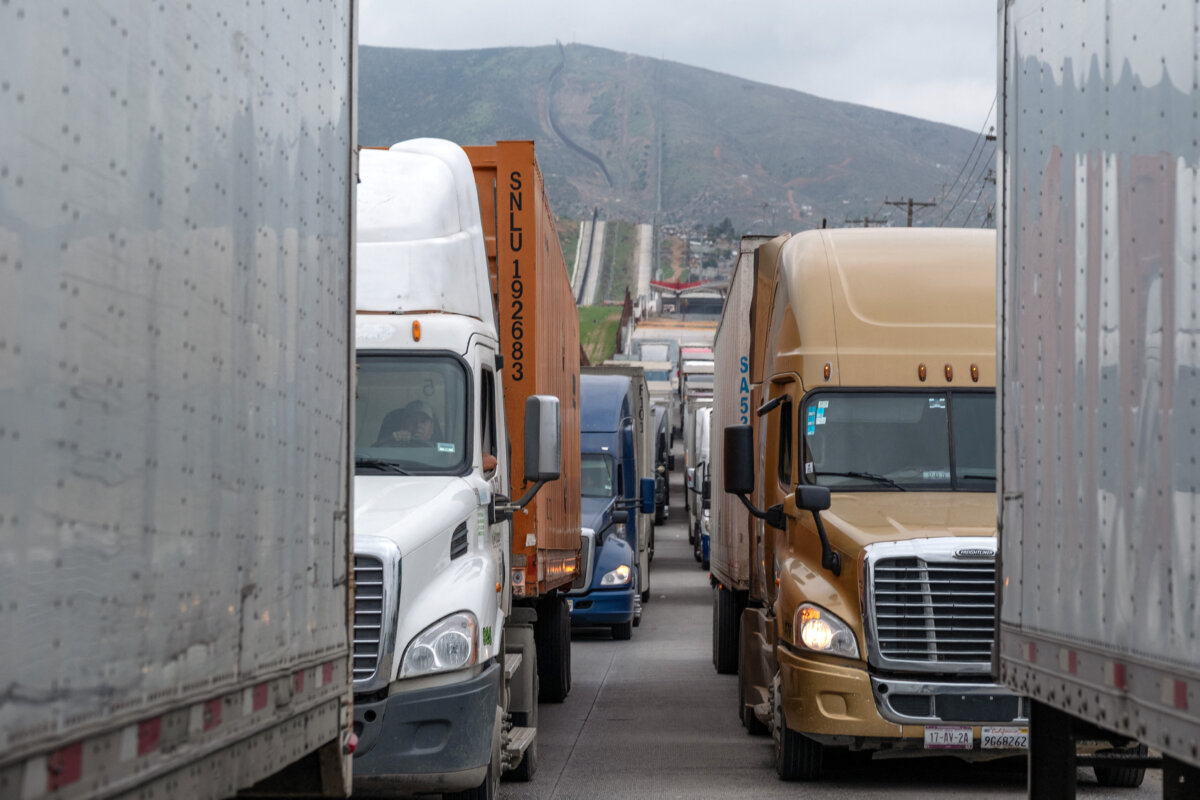
Mexico’s role becomes important because its trade integration with the United States offers potential pathways for sanctions evasion, financial transfers, transshipment operations, and covert commercial activity under the umbrella of legitimate North American trade.
Although direct public evidence linking Iranian operations inside Mexico to Chinese industrial relocation remains limited, the strategic overlap is difficult to ignore. China maintains extensive economic ties with both Iran and Mexico while simultaneously challenging U.S. sanctions regimes and expanding its influence in global logistics.
US Southern Flank Is Becoming a Strategic Vulnerability
For decades, U.S. policymakers largely viewed Mexico through the lens of immigration, trade, and narcotics enforcement. But the emerging reality is far broader.
The Chinese regime is leveraging Mexico as a manufacturing platform to bypass tariffs, a logistics corridor into U.S. markets, a conduit for precursor chemical trafficking, a financial laundering environment linked to cartel operations, and a geopolitical foothold on the United States’ southern border.
What appears on the surface to be normal trade expansion increasingly resembles a strategic restructuring of North American commerce designed to reduce U.S. leverage while increasing Beijing’s economic and political influence across the continent.
The danger is not merely economic; it is strategic. The Chinese regime has weaponized globalization using trade, finance, industrial investment, and criminal convergence to deepen its influence across North America and undermine the United States on every possible front.
Mexico has increasingly become the operational bridge connecting those systems.
Views expressed in this article are the opinions of the author and do not necessarily reflect the views of The Epoch Times.
 Friends Read Free
Copy
Facebook
Tweet
Friends Read Free
Copy
Facebook
Tweet