
Commentary
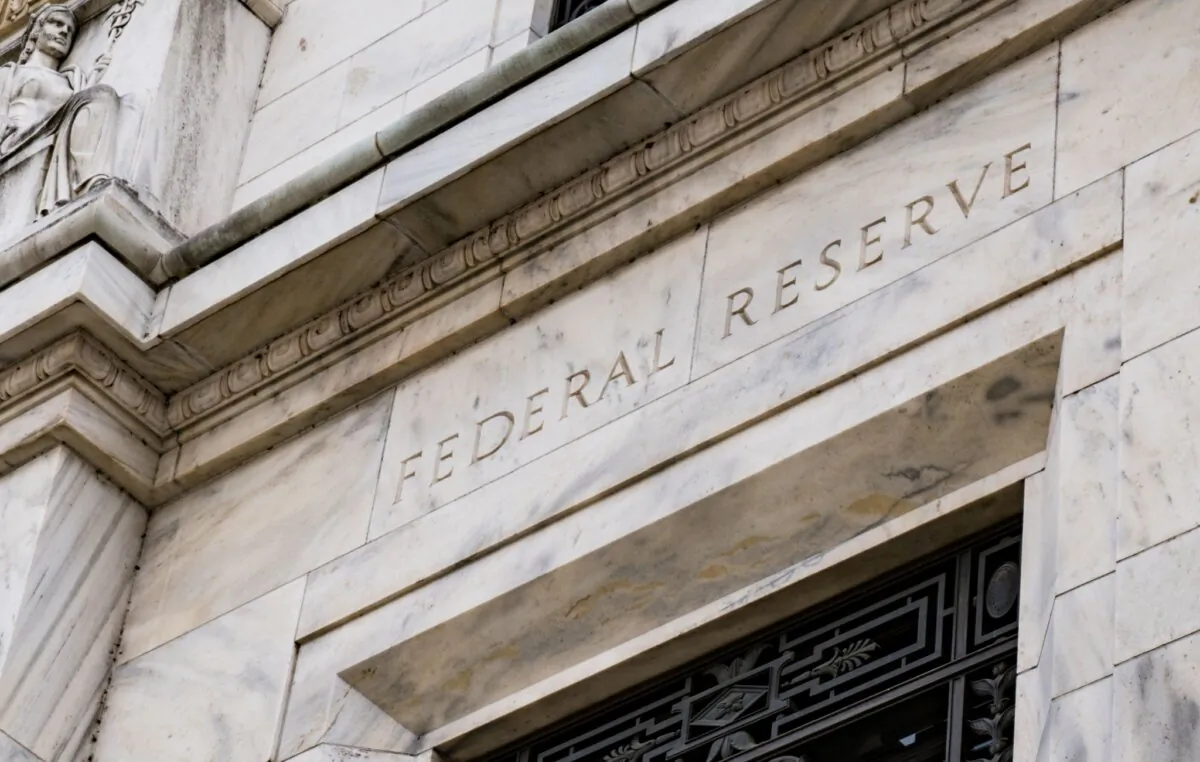
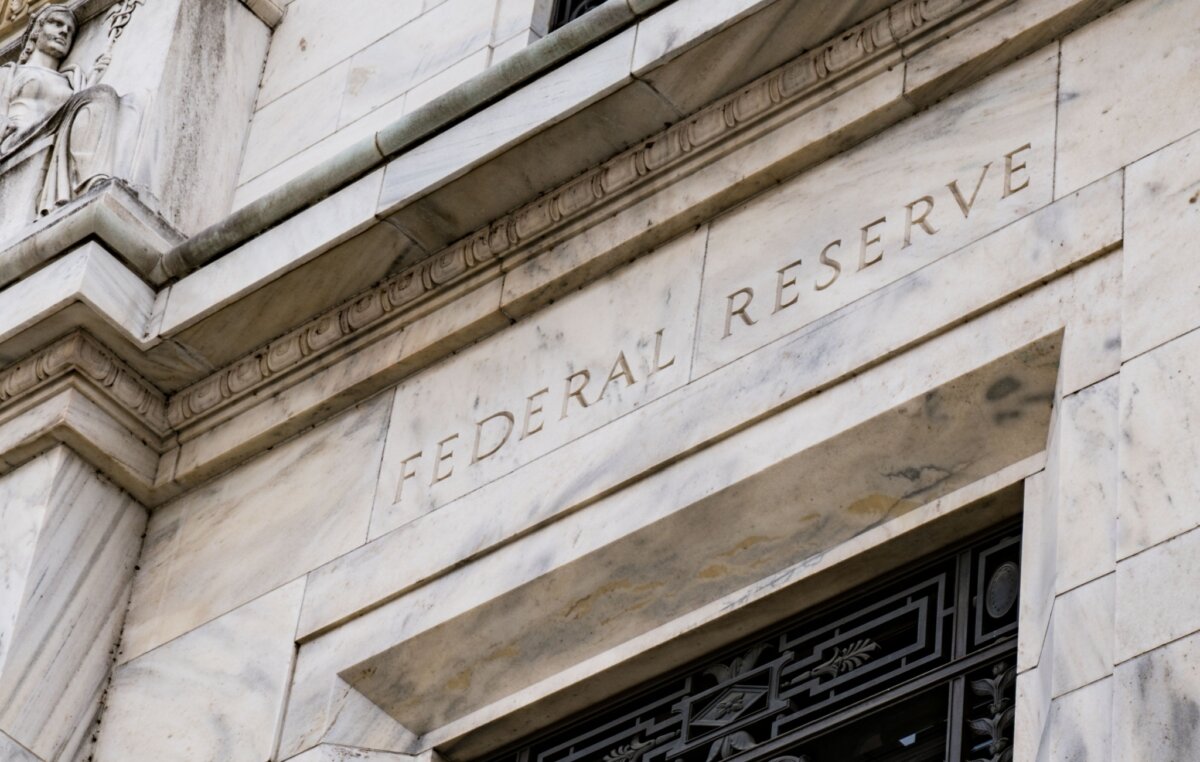
The Trump administration (and the president himself) have been pressing hard on the Federal Reserve, and especially its chairman, Jerome Powell, to further reduce interest rates.
President Trump argues that inflation is under control, and that by prolonging higher interest rates (whose target range is currently 4.25–4.5 percent, down from 5.25–5.5 percent in 2024), the Fed is restraining productivity growth, and Trump’s overall economic agenda, for political purposes. The Federal Open Market Committee meets next week, and only then will we know how the Fed chooses to respond to the political pressure and to the decidedly mixed signals the economy is sending.
All else being equal, higher interest rates raise the cost of borrowing, discourage investment, and slow labor market growth, potentially leading to recession. On the other hand, lowering interest rates too far or too fast can lead to higher inflation and poor allocation of capital to risky projects, storing up larger problems for the future. This is the dilemma that economic policy makers regularly face. Is there a happy medium, a natural rate of interest, that is neither recessionary nor inflationary? In theory yes, but in practice, finding it is challenging.
Markets were relieved this week when headline inflation came in modestly below expectations. The Consumer Price Index (CPI) grew at an annual rate of 2.4 percent in May (up from 2.3 percent in April), compared with expectations of 2.5 percent, while Core CPI (ex-food and energy prices) grew at 2.8 percent, compared with expectations of 2.9 percent. Both supporters and opponents of Trump’s tariff program pointed to the results to boost their claims. Trump supporters celebrated, “Look, no inflation. Tariffs are working. Lower rates.” Detractors argued it was too early to see the inflationary effects of new tariffs, and that core inflation remains stubbornly above the 2 percent target set by the Federal Reserve. They suggest that lowering rates now risks stoking the inflationary fires yet again.
Confounding the issue is the fact that, lower inflation or not, consumers remain stressed. Retailers continue to warn that their customers’ spending remains anemic, that price increases are inevitably coming as a result of tariffs, and that they themselves don’t know how it is all going to pan out. Credit card balances are high, savings are low, and people are putting off big ticket items such as homes, autos, and appliances.
The past two months have been characterized by uncertainty around the effect of Trump’s tariff regime, tempering investment activity. The Global Economic Policy Uncertainty Index spiked to unprecedented levels in April. Even during the panic of the global financial crisis of 2008–2009, the index never got as high as 200. During the worst of COVID-related disruptions in 2020, the index rose to just above 400. In April, during peak “tariff trauma,” the index spiked to 603. The U.S. Economic Policy Uncertainty Index led the way, peaking at nearly 800 in April, before later retreating as the worst fears of looming disaster appeared unfounded. Yet, similar indices for the UK and Europe remain extremely elevated, pointing to ongoing concern about the U.S. administration’s intentions and how their own economies will ultimately be affected.
In the meantime, the Trump administration has unleashed a barrage of executive orders, policy changes, and initiatives intended to “super-charge” the U.S. economy and stimulate private sector capital investment in critical industries. Over the long run, these programs are indeed likely to provide a powerful boost to the economy. By focusing on strengthening the energy, defense, manufacturing, and technology industries, and by raising barriers to unfair trade, these actions should be stimulative to not just investment and productivity, but to American labor markets. This would benefit the beleaguered working and middle classes, who have suffered most in recent years.
The challenge now comes in the fact that the United States has a deficiency of trained and skilled labor to take up the opportunity. An entire generation of practical American know-how has been lost to the era of globalization and free trade. This will take time to correct, and will require a near total revamping of our educational system, which no longer favors the disciplines of engineering, math, technology, and science, not to mention vocational training and trade apprenticeships, which have been neglected in favor of gender studies, Marxist-inspired critical theory, and other academic nonsense.
Ask any manufacturing or tech CEO, and they will tell you the same story. Their companies can’t find enough qualified individuals with the skills needed to meet the increased demands required by onshoring and resource nationalism. For plucky individuals embarking on their career journey and willing to work hard to gain the necessary skills, they will benefit from better pay and greater employment options. Yet this too will produce inflationary pressures.
Necessary efforts to address the immigration crisis must be careful not to throw the baby out with the bath water. That is, immigration policy (and enforcement practice) must not overreach and damage the very companies and industries the administration is trying to save. This is a delicate balance.
President Trump appears determined to get U.S. economic productivity moving again at any cost. The administration recognizes that the private sector, not government, must lead the way in capital investment for the benefits to last. This means economic stimulus, but not in the sense of deficit spending on government handout programs. It means a pro-business industrial policy that will keep the United States from falling into recession anytime soon.
It also means we should expect inflation to be “higher for longer,” notwithstanding a mild recent inflation report, as the supply of labor and goods tightens relative to demand. Still, the growth in wages has outpaced inflation over the past two years. Three percent inflation may be acceptable to those in the workforce if the cost of higher prices is met or bettered by rising wages, but it comes at a cost to retirees and others on fixed incomes.
We should all hope for a Goldilocks-like solution, where the porridge is neither too hot (inflation) nor too cold (recession). I certainly wish for the same. But my bet is on persistent inflation over the medium to long term, as a collateral cost of a U.S.-led technology and productivity renaissance.
Views expressed in this article are the opinions of the author and do not necessarily reflect the views of The Epoch Times.
 Friends Read Free
Copy
Facebook
Tweet
Friends Read Free
Copy
Facebook
Tweet