
Commentary
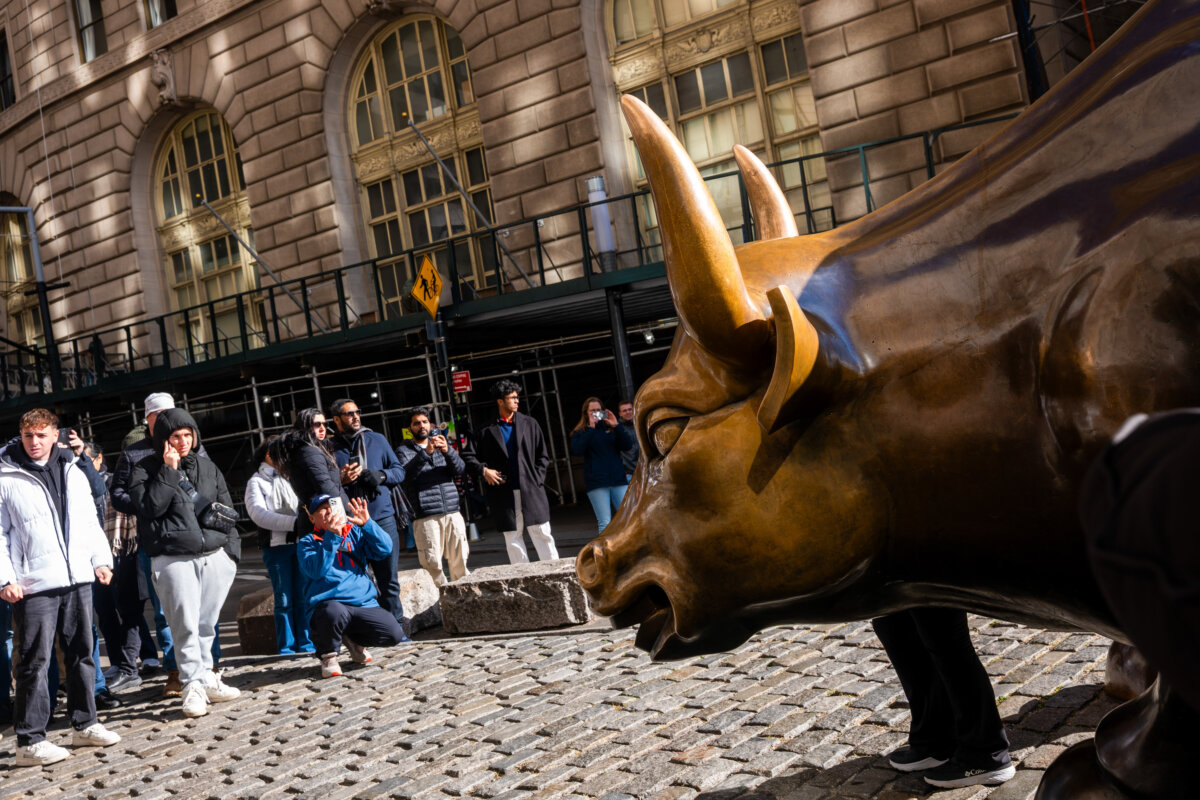
The old Wall Street saying “Sell in May and go away” has resurfaced once again as American stock markets continue to hover near record highs in 2026. To younger investors, the phrase may sound outdated, overly cautious, or even pessimistic.
After all, the artificial intelligence (AI) revolution appears to be transforming the global economy before our eyes. Semiconductor stocks continue climbing, technology companies dominate financial headlines, and investors around the world fear missing the next great opportunity.
Yet for many investors who lived through the dot-com collapse in 2000, followed by the shock of the Sept. 11 attacks in 2001, the phrase carries a deeper warning. It is not simply about selling stocks during the summer months. It is about remembering that market euphoria, human psychology, and excessive confidence have repeatedly produced painful financial lessons throughout history.
The uncomfortable question facing investors today is this: Are we witnessing the beginning of a long-term technological revolution or are we watching the formation of another dangerous market bubble? History suggests that both may be happening simultaneously.
There is no doubt that AI represents a genuine technological breakthrough. AI is transforming industries ranging from finance and healthcare to defense, transportation, manufacturing, and media. Companies involved in advanced chips, cloud computing, cybersecurity, and data centers are benefiting enormously from this transformation.
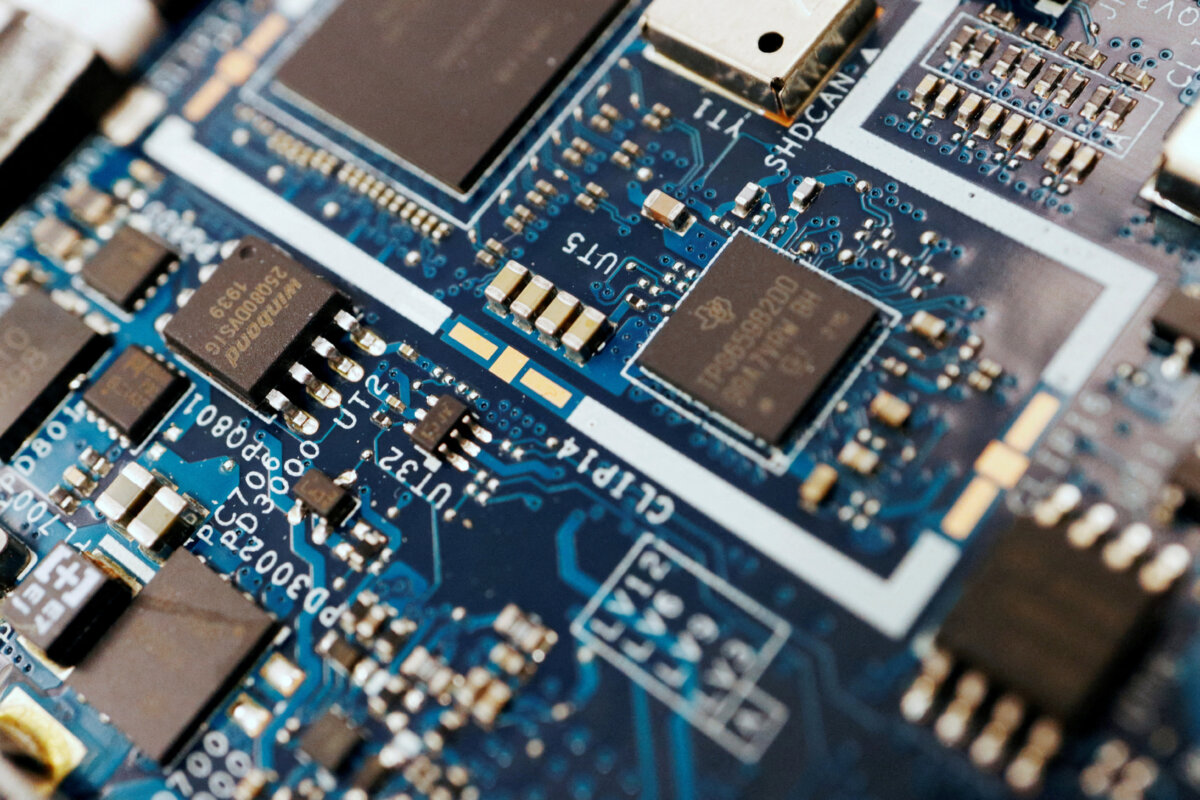
One of the clearest examples is Taiwan Semiconductor Manufacturing Co. (TSMC), which has become one of the world’s most strategically important corporations. TSMC manufactures advanced chips for companies such as Nvidia Corp., Apple, and Advanced Micro Devices. Recently, Taiwan’s stock market surpassed India’s in total market capitalization, largely driven by the explosive growth of the semiconductor sector and the remarkable rise of TSMC.
At the same time, investors were stunned when Micron Technology reached the extraordinary milestone of a $1 trillion market capitalization. For many market veterans, the idea that a memory chip manufacturer could reach such a valuation would have sounded unimaginable only a few years ago. The surge reflected the enormous optimism surrounding AI demand, data centers, and next-generation computing infrastructure. It also highlighted how quickly investor enthusiasm can accelerate during powerful technology cycles.
To many investors, this appears to confirm that AI is still in its early stages and that technology stocks may continue to climb for years. But older investors remember hearing similar arguments during the late 1990s internet boom.
At that time, investors believed that the internet would permanently reshape society and the economy. In the long run, they were absolutely correct. The internet transformed communication, finance, shopping, media, and global business. Yet millions of investors still suffered severe financial losses because stock prices became detached from reality.
The Nasdaq composite eventually collapsed by nearly 78 percent after the dot-com bubble burst in 2000. Many supposedly unstoppable technology companies lost 80 percent to 95 percent of their market value. Some disappeared entirely. Then came the terrorist attacks of Sept. 11, 2001, which created another wave of economic uncertainty and fear.
For investors approaching retirement during that period, the experience was devastating. Many had concentrated too heavily on technology stocks, telecom shares, internet funds, or employer stock options. Years of rising markets had created the illusion that technology could only move higher. Retirement plans that once appeared secure suddenly became fragile.
The painful lesson from that era was not that technology itself was worthless. On the contrary, the internet became even more important than most people imagined. The lesson was that even revolutionary technologies can become dangerously overvalued when enthusiasm overwhelms discipline.
Market Psychology: Why Timing the Bubble Is Almost Impossible
One of the hardest truths in investing is that markets are driven not only by financial fundamentals but also by human emotions. Fear, greed, confidence, envy, panic, and the fear of missing out all shape market behavior. Investors often assume that bubbles are easy to identify in real time, but history shows the opposite. Bubbles are notoriously difficult to predict because markets can remain irrational and euphoric much longer than people expect.
A bubble does not burst simply because valuations appear expensive. Markets can continue climbing for months or even years after many experienced investors begin warning about excess speculation. Those who identify overvaluation too early can still lose enormous amounts of money by betting against momentum prematurely.
This is especially true during periods of technological excitement. Today, AI has become the defining market narrative. Investors see AI transforming every sector of the economy. Semiconductor manufacturers, cybersecurity firms, cloud-computing companies, and AI infrastructure providers have become market darlings.
As stock prices rise, analysts raise price targets, media attention intensifies, institutional investors fear missing out, retail traders chase momentum, and short sellers get squeezed out of positions. The cycle feeds itself, creating the impression that prices can only continue moving upward.
Retail traders often experience this psychology firsthand. A trader with a smaller account may identify a strong theme, such as AI or semiconductors, and successfully ride the momentum for weeks. They may profit on 15 of 22 trading days in a month, creating confidence that they have mastered the market. Then reality changes suddenly.
One or two unexpected news events, disappointing earnings reports, geopolitical tensions, or sharp reversals can erase months of gains within hours.
Recent semiconductor trading offers a perfect example. Some traders believed that there was “no way” a company like Micron Technology could continue surging after already enormous gains. Yet analyst upgrades, institutional buying, AI enthusiasm, and short covering pushed the stock dramatically higher in a single trading session. Many overly aggressive traders who attempted to short the rally suffered severe losses.
This is why bubbles are psychologically dangerous. They create not only greed but also the illusion of certainty. Investors begin to believe that every dip will recover quickly, that momentum guarantees success, and that risk management is unnecessary.
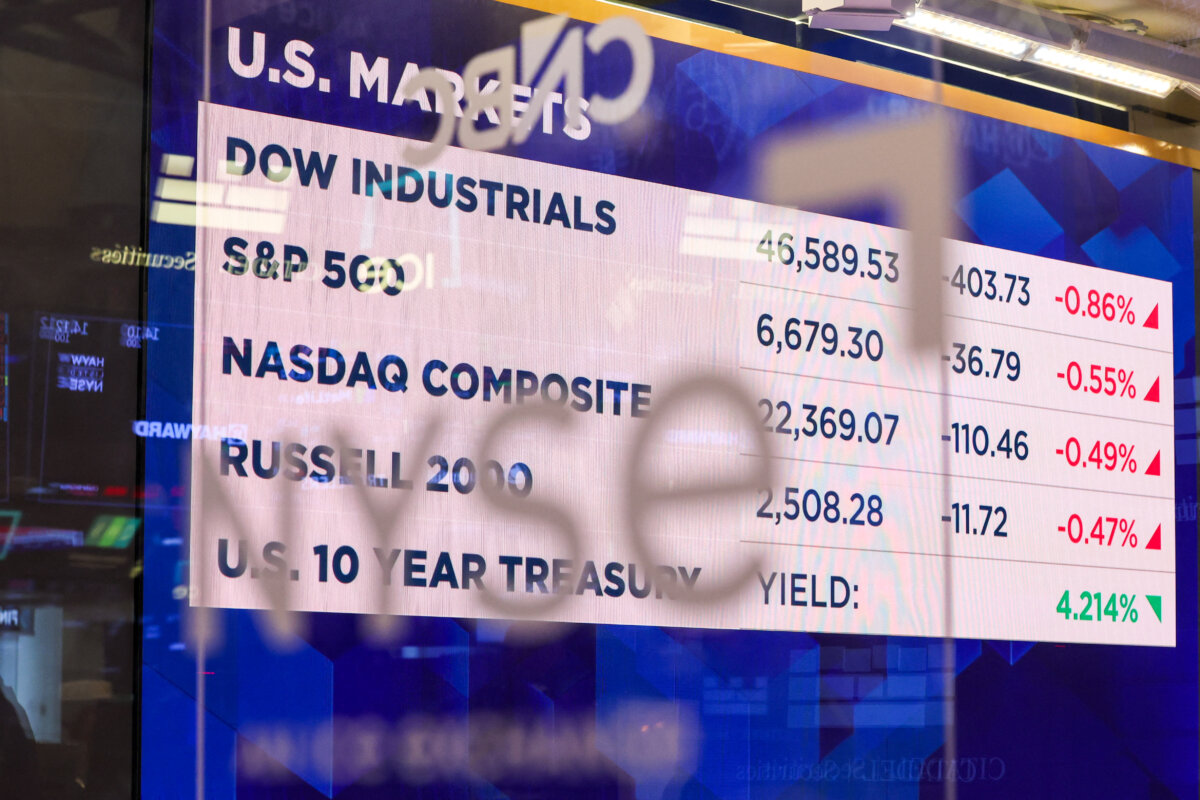
At market peaks, confidence often reaches its highest level precisely when risk is also rising. The challenge is that nobody can reliably predict the exact timing of a reversal. Investors who exited the markets too early during the AI rally may have missed out on enormous gains. Those who remain excessively aggressive near the peak may later suffer major losses. That tension between fear of missing out and fear of collapse defines every speculative cycle in financial history.
Day Trading: One of the Hardest Games in Finance
The modern bull market has also fueled another phenomenon: the rise of retail day trading. Commission-free trading platforms, social media, instant financial news, and AI excitement have encouraged many individuals to believe that short-term trading offers a path to fast wealth. In strong markets, some traders appear highly successful for weeks or months. Riding momentum in popular sectors such as AI, semiconductors, or cybersecurity can produce rapid gains, especially in smaller accounts.
Yet day trading remains one of the hardest activities in finance. Retail traders are not simply competing against other ordinary investors. They are competing against hedge funds, institutional portfolio managers, quantitative trading firms, market makers, and high-frequency trading systems operating at extraordinary speed.
Many professional trading firms use advanced algorithms and high-frequency trading systems designed to extract tiny inefficiencies from the market thousands of times per second. These firms invest heavily in AI, mathematical models, ultra-fast computer systems, and low-latency trading infrastructure. In many ways, the modern financial market has become an intense technological battlefield.
Retail traders often enter this environment with smaller capital bases, slower access to information, emotional decision-making, and greater psychological pressure. Even commission-free trading does not eliminate this disadvantage.
This partly explains why studies repeatedly show that most active retail traders eventually lose money over time, even during rising markets. Many traders may win frequently, but one or two large losses can destroy weeks or months of gains. Strong bull markets can actually make trading more psychologically dangerous because rising prices create the illusion that success comes from personal brilliance rather than favorable market conditions. The danger grows when investors begin increasing leverage, concentrating portfolios, or “betting the farm” on a single market narrative.
‘Sell in May’: A Reminder About Risk, Not Panic
This becomes especially important for investors approaching retirement age. A younger investor may have decades to recover from a severe market crash. Someone near retirement often does not. Protecting capital gradually becomes as important as pursuing growth. That is why many experienced investors eventually reduce leverage, diversify their portfolios, and avoid excessive concentration in speculative sectors, no matter how exciting the story may appear.
This does not mean that investors should panic or abandon the market completely. The phrase “Sell in May and go away” should not necessarily be interpreted literally. Historically, it reflected the observation that markets often performed more strongly between November and April than during the summer months. But perhaps the deeper meaning of the phrase is this: Periods of extreme optimism are precisely when investors should review risk most carefully.
Professional investors rarely sell everything at once. Instead, they may trim oversized positions, reduce leverage, diversify holdings, increase cash reserves, or shift partially toward defensive sectors. The goal is not to predict the exact day a bubble bursts. Nobody can reliably do that consistently.
The real challenge is maintaining discipline while everyone else is becoming increasingly euphoric. The AI revolution may ultimately become even more transformative than the internet itself. Today’s technology leaders are generating real profits, real cash flow, and real economic value. Yet history repeatedly teaches the same uncomfortable truth: Even genuine technological revolutions can produce dangerous speculative excesses.
Perhaps that is the true message behind “Sell in May.” It is not a prophecy of imminent collapse. It is a reminder that markets move in cycles and no bull market—no matter how exciting the story—lasts forever.
Views expressed in this article are the opinions of the author and do not necessarily reflect the views of The Epoch Times.
 Friends Read Free
Copy
Facebook
Tweet
Friends Read Free
Copy
Facebook
Tweet