
Commentary
The case of Wong Kwok-ngon, known by his pen name Wong On-yin, marks a deeply troubling moment in Hong Kong’s legal and political trajectory. A veteran commentator of more than four decades, Wong is not a fiery young activist commanding global headlines or leading mass protests. He is, instead, a sharp-tongued critic, known for his uncompromising—and often “bitter”—commentary on governance and public affairs.
Yet it is precisely his tone, persistence, and refusal to soften his words that appear to have led him into his current predicament: prolonged detention, denied bail, and a looming trial that could see him imprisoned for up to seven years.
His case is not just about one man; it is about the transformation of Hong Kong into a place where expression—even when abrasive, even when unpopular—can lead to consequences that many now consider disproportionate and deeply unsettling.
A Veteran Commentator, Not a Revolutionary
Wong has spent more than 40 years in media and public commentary. Over the decades, he has written columns, hosted radio programs, and, more recently, used YouTube to share his views on politics and governance. His style has never been polished for mass appeal. He is known for direct criticism of officials, judges, and institutions—often naming individuals and questioning their decisions in blunt, unfiltered language.
But Wong is not the archetype of a modern political dissident. He does not command crowds, nor does he organize movements. He is not a symbol of youth resistance or a face of international campaigns. At 71, he lives alone and manages his daily affairs independently. His influence is limited compared to more prominent figures in Hong Kong’s political landscape.
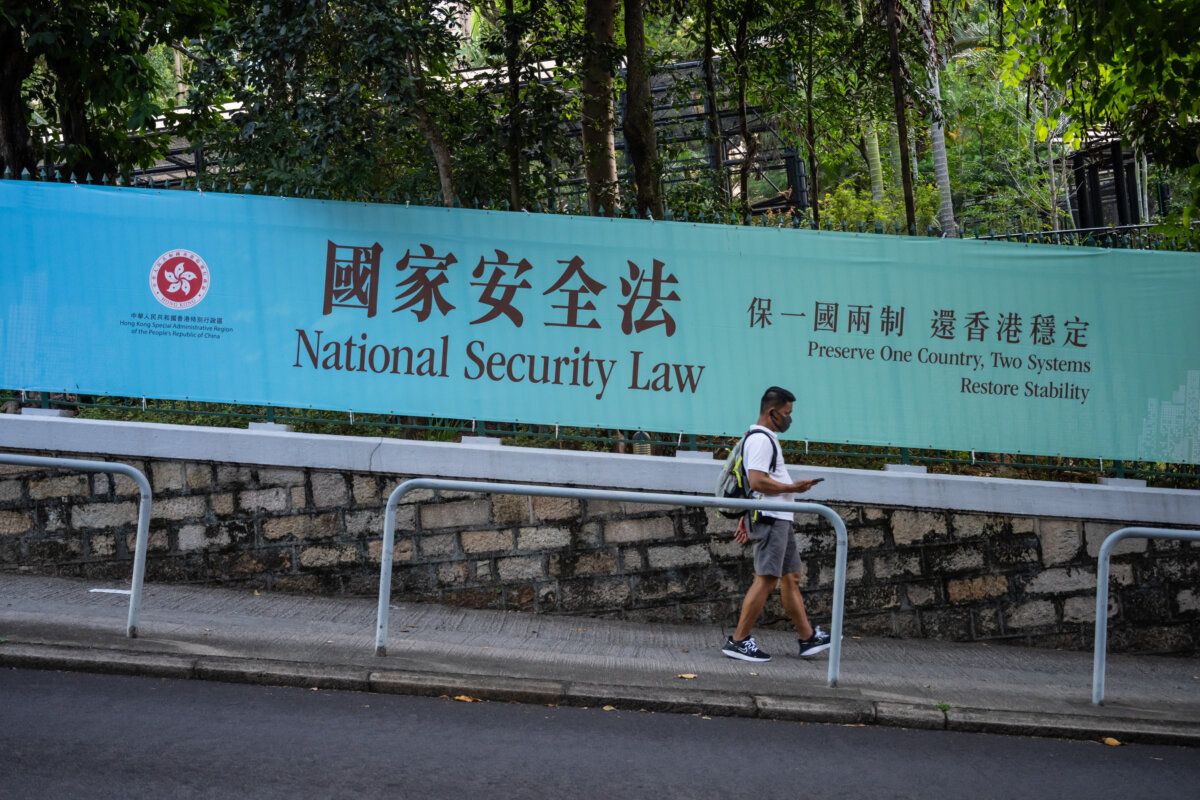
And that is precisely what makes his case so unsettling. If someone like Wong—neither charismatic nor widely followed—can be detained and prosecuted under national security provisions for commentary alone, it suggests that enforcement is no longer about influence or mobilization but about expression itself. His “bitter attitude,” as some might describe it, should not, in any ordinary legal framework, be grounds for such severe consequences.
Denied Bail and an Unprecedented Confinement
Perhaps the most alarming feature of Wong’s case is the nature of his detention. Since his arrest in December 2025, he has been held in custody without bail. His application for release was denied on the basis that the court could not be assured that he would not “continue to endanger national security.”
This reasoning raises profound concerns. Wong’s alleged offense stems from a YouTube video—speech, not violence; commentary, not conspiracy. To deny bail under such circumstances feels unprecedented in Hong Kong’s legal history.
For decades, Hong Kong’s common law system emphasized the presumption of innocence and the right to bail, except in cases involving clear risks such as flight or serious harm. Yet here, a commentator is being detained for what he might say in the future. This introduces a preventive logic into the justice system—punishing not just past actions but anticipated expression.
Wong himself has suggested that this prolonged confinement is not simply about legal procedure but about pressure. When a defendant is held indefinitely, denied basic freedoms, and faces an uncertain timeline for trial, the psychological strain can be immense. It raises the question of whether the process itself becomes a tool for extracting compliance or even a guilty plea.
Such a situation undermines confidence in the system’s fairness. Justice, after all, must not only be done but must be seen to be done. When bail is repeatedly denied without transparent and compelling justification, that principle begins to erode.
Financial Strangulation and the Optics of Barbaric Power
Equally troubling is the freezing of Wong’s bank accounts. According to his own account, two of his essential accounts were frozen shortly after his arrest, without prior notice. He only learned of this weeks later through friends. Despite writing to authorities and filing complaints, he has reportedly received no explanation.
This raises a fundamental and practical question: How can he reasonably be expected to pay his expenses while he is locked up? Wong is an elderly man living alone. He depends on automated payments for rent, utilities, and communication services. With his accounts frozen, he cannot manage basic expenses. More critically, he cannot fund his legal defense, purchase equipment to prepare his case, or even maintain communication with the outside world.
The logic behind such a measure is difficult to understand. Wong is not accused of financial crimes. There are no allegations of money laundering, fraud, or illicit funding. His reported income comes from YouTube advertising and a modest government allowance. If the charges relate solely to speech, why impose financial restrictions that effectively cut off his ability to function?
From an international perspective, this creates deeply negative optics. The freezing of essential personal assets, without a clear explanation, appears punitive rather than investigative. It gives the impression that those in power are willing to use all available tools—not just legal prosecution but financial pressure—to secure an outcome.
To many observers, such actions risk being perceived as barbaric—not in the sense of chaos, but in the sense of disproportionate force, where the response far exceeds the nature of the alleged offense.
A Chilling Signal for Hong Kong’s Future
Wong’s case is more than a legal proceeding; it is a signal. It signals how far Hong Kong has moved from its once-celebrated legal norms. It signals the expanding reach of national security laws into areas of speech and commentary. And it signals to ordinary citizens that even those on the margins—those without large followings or political influence—are not beyond the scope of enforcement.
Perhaps most importantly, it signals the rise of self-censorship. When individuals see that a veteran commentator can be detained, denied bail, and financially cut off for expressing his views—even in a “bitter” tone—they will naturally begin to adjust their own behavior. The boundaries of acceptable speech become narrower, not through explicit rules but through fear. This is how environments change. Not overnight but gradually, as people internalize the risks and choose silence over expression.
A Defining Moment
The case of Wong represents a defining moment for Hong Kong. At its core, the issue is not whether his commentary is agreeable or offensive. In any open society, such judgments belong to the public sphere. The real question is whether the state’s response—prolonged detention, denial of bail, and financial restriction—is proportionate, justified, and transparent.
Right now, it is difficult to see the balance. An elderly commentator, with no history of financial wrongdoing, finds himself cut off from his own resources, unable to manage his daily life, and held in custody for speech-related allegations. This combination of legal and financial pressure is unprecedented in its scope and deeply troubling in its implications.
For Hong Kong, a city that once stood as a beacon of the rule of law, this case raises uncomfortable questions about its direction. And for the world watching, it leaves an indelible impression—that power, when exercised without restraint or clarity, risks undermining not just individuals but the very system it seeks to protect.
Views expressed in this article are the opinions of the author and do not necessarily reflect the views of The Epoch Times.
 Friends Read Free
Copy
Facebook
Tweet
Friends Read Free
Copy
Facebook
Tweet