Commentary
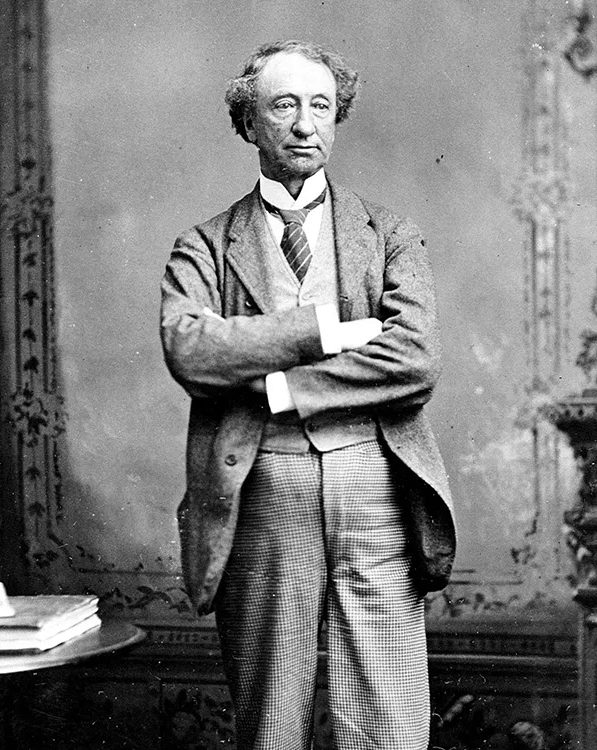
“Like a king.” That’s how Sir John A. Macdonald was greeted in public in the 1880s. “Everybody loved him” and his presence could be “like an electric shock.” Yet the great man did not let the adulation go to his head. “No man was more deeply conscious of his own shortcomings,” said his personal secretary Sir Joseph Pope in his 1894 book “Memoirs of the Right Honourable Sir John A. Macdonald.”
Macdonald referred in speeches to his “manifold sins of omission and commission,” echoing the Anglican Book of Common Prayer (“We acknowledge and bewail Our manifold Sins and Wickedness”). He also believed that “To him much should be forgiven by the people of Canada,” Pope wrote, because he “loved much” and had a great capacity for “entering into the minds and hearts of others.”
Some biographers ignore religion. Donald Creighton, a Toronto professor who wrote a Macdonald biography in the early 1950s, wanted a modern hero for modern times. Too much Victorian religion could be embarrassing! And it’s true, Macdonald’s religion could be highly emotional, especially at public prayer meetings. “I have seen him sit with tears in his eyes,” said the famous evangelical Methodist Revival preacher of the 1880s, Rev. John Hunter, quoted in an older biography by Col. E.B. Biggar. One evening after Hunter had finished preaching at the Dominion Square Methodist Church, “every eye seemed to be bathed in tears, Sir John’s among the others.”
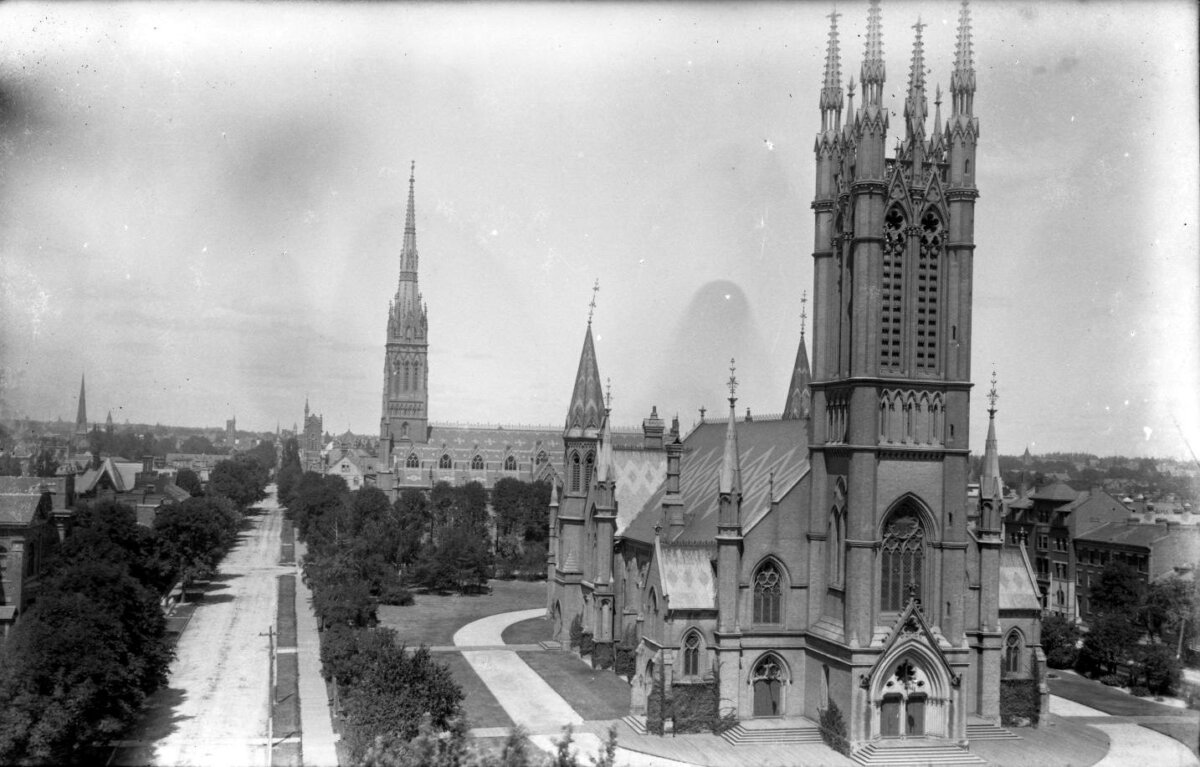
A political opponent might call these crocodile tears, shed by a cynical politician to attract Methodist votes. But is that too cynical? Actually, the Methodists’ power and influence were enough to make any good Anglican cry, particularly in Ontario, where Methodism had grown mightily since the 1790s, partly by attacking the Anglican elite. For many Anglicans, that memory was a thorn in the flesh. Even so, at the Methodist Conference in Ottawa in 1890, as on other occasions, Sir John praised “the great Methodism of our land.” Was that political positioning too?
The Macdonalds were Anglicans, regular communicants at St. Alban’s Church in Ottawa, according to the Rev. J. J. Bogart, who knew them well and deemed Sir John “earnest” and reverent “in celebration of the Holy Eucharist.” Macdonald was a convert to the Church of England from Scots Presbyterianism. He started accompanying his wife, Lady Agnes, to St. Alban’s in 1875 when her mother died.
Until about 10 years ago one could visit St. Alban’s and see the pew they used, especially widened to make room for their daughter Mary’s wheelchair, the space preserved as if the family had been there the day before. Now, however, the “space” has been “reimagined” in line with contemporary fads.
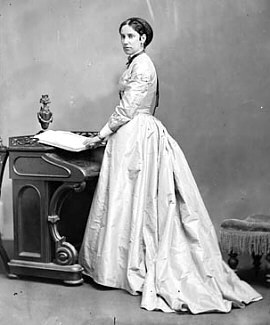
Lady Agnes was Low Church and “getting Methodistical,” Creighton tells us. She had given up wine “for example’s sake,” and her husband, after 20 years of binge drinking since 1857, finally curbed the problem. By 1877 he could “drink wine at dinner without being tempted to excess, which hitherto he has never been able to do,” according to Lord Dufferin, the governor general.
Nor was his faith superficial. One evening in Toronto, Macdonald walked into the United Empire Club on King Street. In the parlour, a group of “solid old Tories” were delighted to shake hands with him. But some of the men’s faces fell when he told them he had come from the Metropolitan Wesleyan Methodist Church, a brisk 10-minute walk from the club. He had gone there to hear the influential Rev. John Potts preach about the Sermon on the Mount, taught by Jesus after a 40-day fast in the badlands. As Col. Biggar reported: “A sort of incredulous little laugh went around among a few,” as “receiving information they would rather not hear,” in the way that some cynics might “frown or laugh.”
Now why would they laugh? Who were they? Biggar tells us, among others: James E. Smith, a former mayor of Toronto, an English immigrant and businessman; Jack Beaty, Jr., a former mayor, lawyer and Toronto MP; Alexander Manning, another ex-mayor, businessman, and philanthropist who began his life in Canada as a carpenter; and Lieutenant-Colonel William Arthurs of the Queen’s Own Rifles, who had served at Ridgeway, the son of a prominent Toronto alderman in the time of W.L. Mackenzie. Arthurs and Manning were Anglicans from the Church of Ireland. Smith was Anglican. Beaty, a workingman’s Tory, had joined the Disciples of Christ, one of many dissenting Protestant sects.
The big men at the club didn’t laugh because they were unbelievers, as Biggar implies. I think they laughed because Potts was a fiery Methodist preacher who had quit the Anglican Church—as had the great seminal Methodist minister Egerton Ryerson who gained much of his influence by attacking Anglicans.
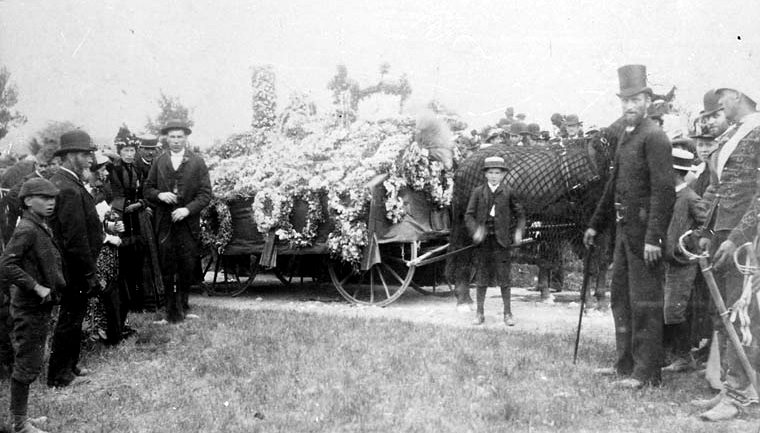
In the hazy intimacy of the club, Macdonald could have downplayed his visit with the Methodists as political. But he didn’t. Instead, “Sir John was very grave” and “as he leaned easily on the back of the chair,” Biggar tells us, he “held their attention with a 10-minute discourse on the Beatitudes.” Blessed are the poor in spirit, for theirs is the kingdom of heaven, etc., “one by one he told them over, commenting on each,” with “deep reverence” and “attractive earnestness” revealing “a high conception of the majestic mind that wrought them” (the mind of God, no less). We are told the men stayed silent for five minutes after Macdonald finished and bade them “good evening!” having left a glimpse “more of the man than the politician.”
Macdonald was once again in tears at his home in 1891, a short time before his death, during a visit by Rev. Hunter. Hunter asked importunately, “I would like to know before leaving you, Sir John, if you have accepted Christ as your personal Saviour.” Hunter admitted his mixed motives: he wanted Sir John to witness publicly at a Methodist meeting, a political opportunity for both men. “Sir John said, with tears in his eyes, ‘I have, Mr. Hunter.’” It might not be Anglican style, but under the circumstances, Sir John could not afford to beg the question.
Views expressed in this article are the opinions of the author and do not necessarily reflect the views of The Epoch Times.