Commentary
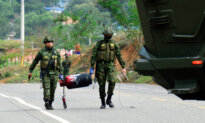
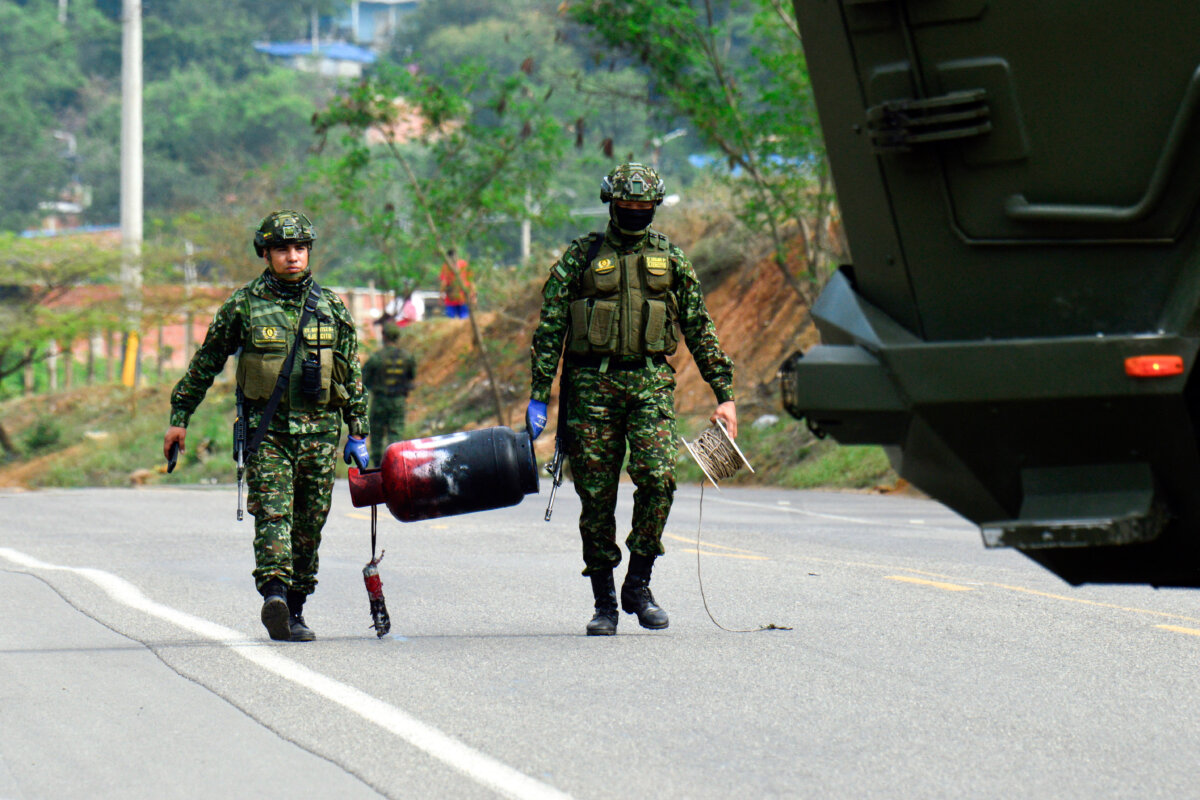
The United States recently designated the Clan del Golfo as a terrorist organization. The group, also known as the Gulf Clan, is Colombia’s most powerful guerrilla group and its largest cocaine trafficker. It presents itself as a legitimate political actor but is actually a criminal cartel of 3,500 with its own uniformed army of 6,000 attached militants.
The clan is active in approximately one-third of the 1,103 Colombian municipalities, where it allegedly recruits child soldiers; engages in illegal gold mining, racketeering, and embezzlement; and extorts cash from the country’s largest companies. But the Gulf Clan’s primary source of funding is the cocaine business, which kills thousands annually in the United States.
The Gulf Clan engages in attacks on both civilians and government officials. It allegedly pays $3,500 each for “dead police officers.” It has for decades trafficked Colombian cocaine to the United States and Europe, and it now smuggles, according to estimates, hundreds of tons annually to these destinations. It also traffics illegal immigrants through the Darién Gap, a rugged jungle region that links Colombia to Panama. This is relatively easy for the clan, because its home base is in Colombia’s northern Urabá region.
The Gulf Clan is also known as the Banda Criminal de Uraba, Clan Úsuga, Los Urabeños, Los Autodefensas Gaitanistas de Colombia, and the Ejército Gaitanista de Colombia. Demonstrating the complexity of the new war on drugs, the clan was founded in 1997 under the name Autodefensas Unidas de Colombia, as a right-wing paramilitary that fought Marxist guerrillas and protected drug routes.
The capture of the group’s leader in 2021 and demobilization efforts failed to defeat the group because its other leaders handed in old weapons, passed civilians off as combatants, and returned to a life of crime after their “demobilization.” Now, the clan fights gun battles against other smugglers, including the Tren de Aragua, which is a U.S.-designated terrorist group in Venezuela.
Colombian President Gustavo Petro and top military and intelligence officials allegedly have links to regional dictators and guerrillas. They dispute the allegations. But Petro is a former guerrilla himself and was a close associate of Hugo Chávez, the former dictator of Venezuela. Petro took office in 2022, and the following year, cocaine production in Colombia increased by 10 percent.
In April, Colombian security forces killed eight members of the Gulf Clan. The following month, security forces captured more than 200 members of the clan. But the clan is still going strong, and there are other narco-terrorists in Colombia. The other three U.S.-designated foreign terrorist organizations (FTOs) in Colombia are Marxist guerrilla groups.

Petro does not appear to have control of the country, which is arguably a failed state. The United States listed Colombia as a country that failed to fully cooperate on counternarcotics in September, and it sanctioned Petro in October over allegations that he allows Colombia’s cocaine trade to flourish.
Secretary of State Marco Rubio decided to proceed with the FTO designation of the Gulf Clan on Dec 4. Word apparently reached the clan almost immediately because the next day, Colombia announced a peace agreement with the group, raising questions as to whether Rubio’s decision scared the militants into finally seeking peace.
It was too little, too late. On Dec. 10, President Donald Trump told reporters in the Oval Office that Petro had been “fairly hostile to the United States.”
Trump said, “He’s going to have himself some big problems if he doesn’t wise up.”
The new FTO designation of the Gulf Clan likely means that the United States will confiscate any clan assets held in U.S. financial institutions and prosecute anyone who provides material support to the group. But it could also pave the way for direct military strikes on clan boats, bases, and factories in Colombia. In the context of discussing military strikes on land targets in Venezuela on Dec. 12, Trump noted that there are also three cocaine factories in Colombia.
The Trump administration is doing the right thing against drug trafficking in Latin America. And Washington could do more of it in Mexico and China, which manufacture an even worse drug than cocaine: fentanyl. The United States could also start using herbicides against cocaine bushes.
The United States needs to attack these problems from both the supply and demand sides of drug addiction. The U.S. designation of the Gulf Clan is part of the supply-side solution and a legitimate response to the group’s deadly cocaine trafficking. Military strikes on its coca fields, cocaine factories, and trafficking infrastructure are fully justified.
Views expressed in this article are the opinions of the author and do not necessarily reflect the views of The Epoch Times.
 Friends Read Free
Copy
Facebook
Tweet
Friends Read Free
Copy
Facebook
Tweet