Commentary
You never know what peace is until you walk on the shores or in the fields or along the winding red roads of Prince Edward Island in a summer twilight when the dew is falling and the old stars are peeping out and the sea keeps its mighty tryst with the little land it loves. — L.M. Montgomery
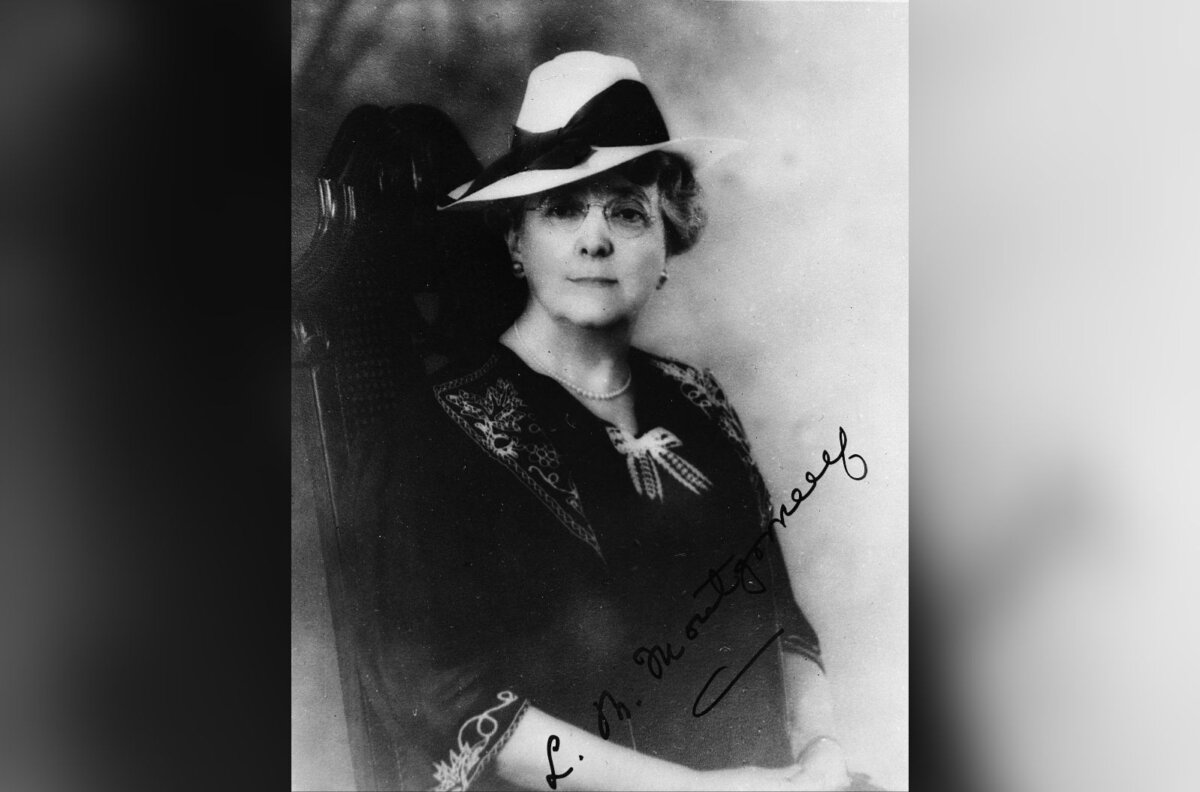
Lucy Maud Montgomery, one of Canada’s most cherished and widely read authors, was born on Nov. 30, 1874, in Clifton (now called New London), Prince Edward Island, a place whose red roads, green gables, and restless sea would become the emotional centre of her creative life. When she was only 2 years old, her mother died of tuberculosis and her father soon abandoned her to seek work in Boston and then in the Northwest Territories. He ended up settling in Prince Albert, Sask., and left her in the care of her maternal grandparents. Biographers have described that home as emotionally austere, causing the girl to find refuge in her books, nature, and in her imagination.
Montgomery started her writing career as a teenager and successfully published articles, poems, and stories even as she was taking her teacher’s training and later working in schools. She was a disciplined writer and one who took her professional skills seriously. In 1905–06, she wrote the manuscript that would become “Anne of Green Gables,” a novel which would be turned down by five publishers before it was accepted by a Boston firm and reached bookshelves in 1908.
The book was an immediate hit, and Montgomery followed up over the years with more accounts of the red-headed orphan, Anne Shirley, from her schooldays to her life as a wife and mother of seven children. By the end of her career, Montgomery had written 20 novels, hundreds of poems, and over 500 short stories, making her among the most successful Canadian authors ever. “Anne of Green Gables” alone has sold more than 50 million copies globally, has been translated into at least 36 languages, and was made into a series of well-received films and television series.
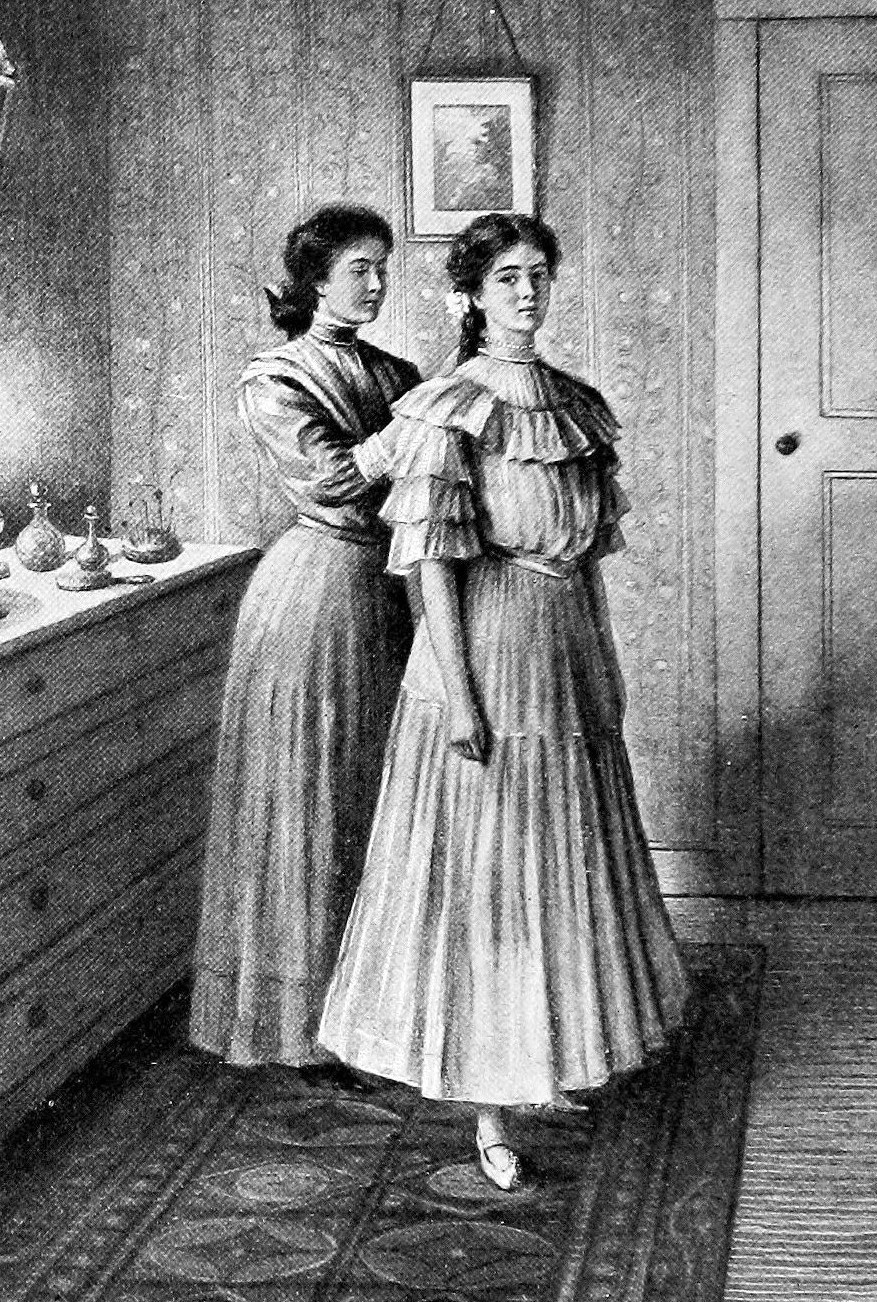
Alas, her life would not proceed as serenely as her heroine’s. In her late 30s, she married Presbyterian minister Ewan Macdonald and moved with him as he served in a number of Ontario congregations. The demands of a pastor’s wife, her writing career, the death of one of her three sons, and her husband’s frequent bouts of severe depression placed her under considerable stress. She was an active worker on the home front in World War I, wrote patriotic literature, and wrote a novel, “Rilla of Ingleside,” to illustrate the effect of the conflict on women and the family.
During the war, Montgomery discovered that she had been systematically cheated by her publisher, L.C. Page and Company, who had paid her only 7 cents on the dollar for her “Anne” books instead of the 19 cents stipulated in her contract. Matters escalated in 1920 when Page published “Further Chronicles of Avonlea” without her authorization, provoking Montgomery to file a lawsuit for breach of contract and copyright infringement. The subsequent legal battles lasted years and went all the way to the U.S. Supreme Court before being settled in Montgomery’s favour. The financial remuneration after legal fees was small (and soon disappeared in the stock market crash of 1929), and the toll on her spirit was great, but the case was vastly important for authors’ rights and copyright protection.
Montgomery died in 1942, possibly of an accidental overdose, possibly of suicide. She left behind a note which read: “I have lost my mind by spells and I do not dare think what I may do in those spells. May God forgive me and I hope everyone else will forgive me even if they cannot understand. My position is too awful to endure and nobody realizes it. What an end to a life in which I tried always to do my best.”
Montgomery’s contribution to Canadian literary life, where she established writing for children as a serious field, the culture and economy of Prince Edward Island, which continues to prosper from the thousands of tourists who come to get closer to Anne, and our sense of nationalism is enormous. Her portrait of Anne as a strong and indomitable woman inspired generations of girls around the world.
The many volumes of her journal, which she faithfully kept from her adolescence and which she meant for publication, are a valuable insight into her thoughts on gender relations, the writing life, the constraints of small towns and church life, her struggles with the publishing industry, and fears about mental health challenges. An amazing woman and a beloved author.
Views expressed in this article are the opinions of the author and do not necessarily reflect the views of The Epoch Times.