
Commentary
For a long time, the U.S.–Philippine alliance has been largely overlooked. It existed on paper, showed up in occasional joint exercises, but mostly stayed out of the headlines.
That’s changing quickly.
Over the past five years, Washington and Manila have been turning their understated treaty alliance into a significant deterrent force aimed squarely at the Chinese regime’s growing pressure in the South China Sea. What’s even more surprising is who’s helping the Philippines defend itself. Japan, once the region’s great military threat during World War II, is now a key partner in defending Southeast Asia from a very different kind of power.
This isn’t accidental. It’s the result of a handful of core beliefs that the United States and the Philippines now clearly share.
The CCP Isn’t Just Posturing—It’s Applying Real Pressure
Let’s start with the obvious point both governments agree on: The Chinese Communist Party’s (CCP’s) behavior toward the Philippines has crossed from annoyance into threat territory.
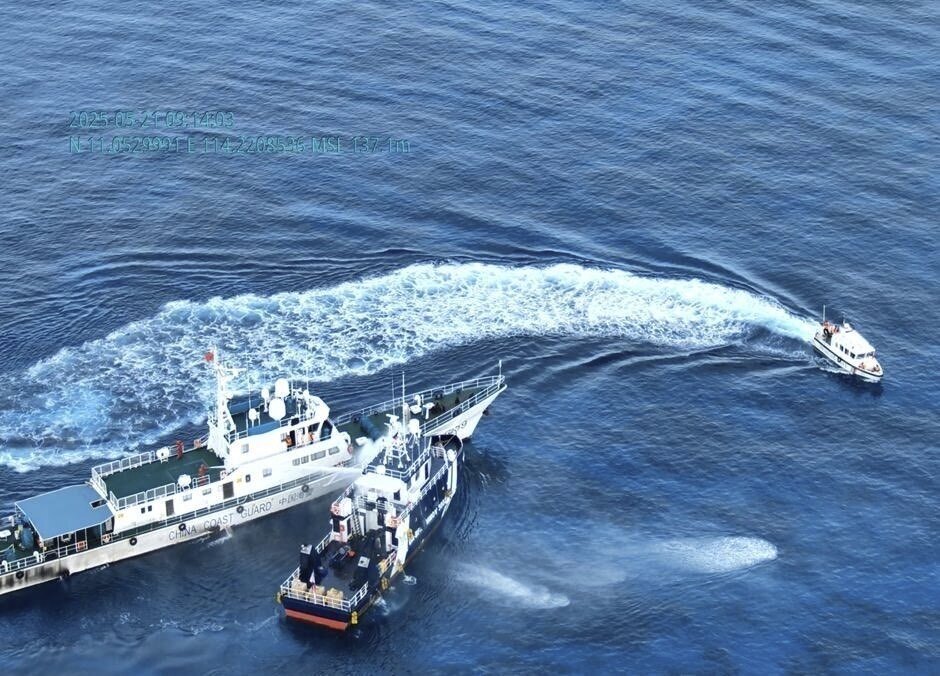
Chinese coast guard ships and maritime militia vessels have repeatedly harassed Philippine boats near Second Thomas Shoal in recent years. That behavior includes fishing in Philippine waters, firing water cannons at fishing boats, and engaging in more aggressive and dangerous maneuvers. These incidents often occur within Philippine waters as defined under international law.
Washington has responded by asserting that the U.S.–Philippines Mutual Defense Treaty applies to attacks on Philippine vessels in the South China Sea. That’s not diplomatic fluff—that’s a warning meant to be heard in Beijing.
From a military perspective, both Washington and Manila now see the Chinese regime’s actions as systematic attempts at intimidation and coercion, not misunderstandings at sea.
A Paper Alliance Isn’t Enough Anymore
For decades, the alliance was mostly symbolic rather than operational, especially after the closure of the Subic Bay naval station in 1992, following the Philippine Senate’s decision not to renew the agreement between the two governments. That withdrawal was much more symbolic. Its closure signaled to Beijing that Manila’s commitment to its alliance with Washington was not as strong as it had been.
That’s no longer the case. In recent years, several developments between Washington and Manila have brought the two nations much closer in military coordination and mutual defense.
The most significant shift occurred with the rapid expansion of the Enhanced Defense Cooperation Agreement (EDCA). Since 2023, the Philippines has approved nine EDCA sites, many of which are strategically located near Taiwan and the South China Sea. These aren’t U.S. bases in the old sense, but they do allow American forces to rotate in, pre-position equipment, and respond quickly if something goes wrong.
The shared logic is simple: Deterrence doesn’t work if help arrives too late.
Modern Conflict Starts Before the Shooting Does
Another view Washington and Manila clearly share is that if conflict comes, it won’t start with missiles—it’ll start with pressure, intimidation, and gray-zone tactics. In other words, the behavior China has exhibited for several years.
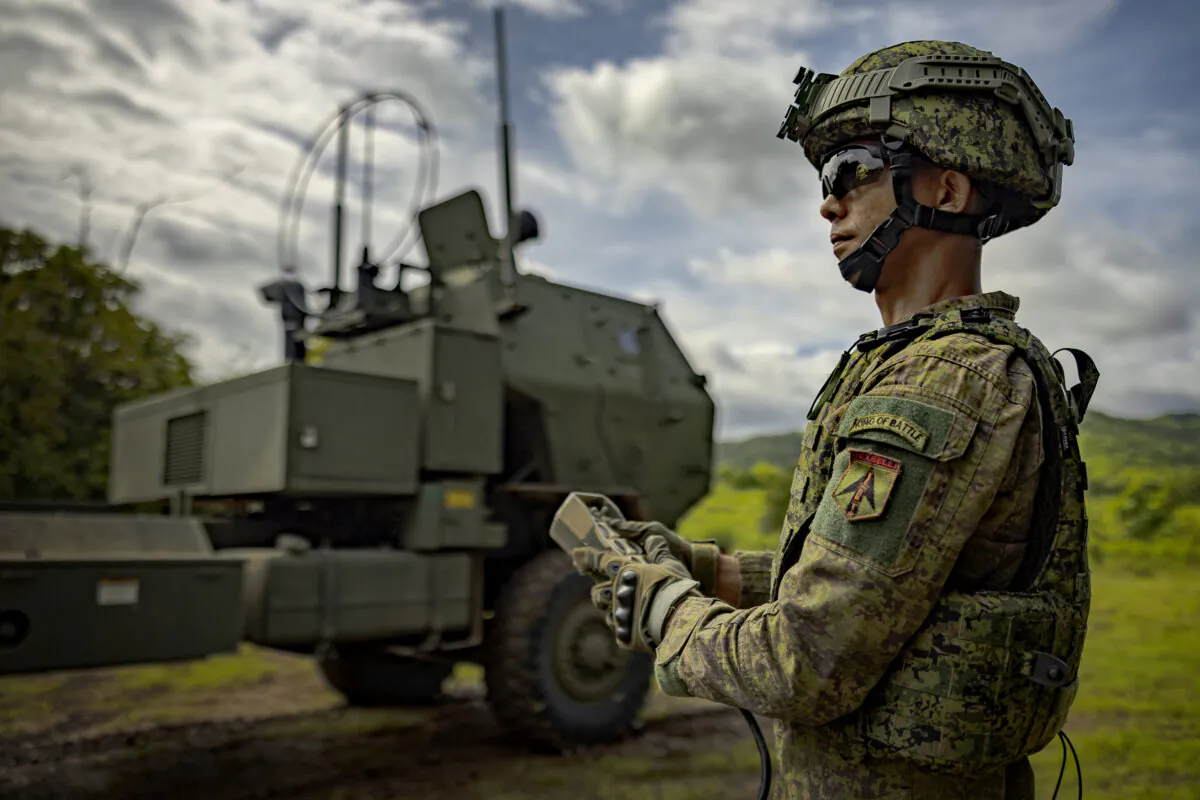
As a result, both countries have ramped up their coordination, including joint patrols, intelligence sharing, and surveillance. In late 2024, they went a step further and announced Task Force Philippines, a dedicated U.S. military framework focused on deterring Chinese coercion and improving real-time coordination.
That coordination includes large-scale exercises such as Balikatan, which include live-fire missile drills, amphibious landings, and multidomain operations. The message is undeniable. The United States and the Philippines have moved beyond simple rehearsal and are adopting a more active, readiness posture. In short, the alliance is preparing for the kinds of messy, deniable, and incremental conflicts that the CCP seems to prefer.
Trade and Economics Are Part of the Battlefield
The U.S.–Philippine alliance isn’t just about ships and soldiers. Both governments increasingly regard the CCP’s economic behavior as a security issue. That presents a challenge for Manila’s policymakers.
China is one of the Philippines’ biggest trading partners, but that dependence comes with strings attached. Manila has seen how Beijing uses trade and investment as leverage against other countries to effectively dominate and even “colonize” trading partners—think of the “debt-trap diplomacy” lending arrangements under the Belt and Road Initiative. Manila doesn’t want to be next.
To avoid that very real fate, the Philippines has been quietly diversifying its trade and economic focus. It is now leaning more toward U.S., Japanese, and allied infrastructure, energy, and digital investments to reduce long-term exposure to CCP coercion.
Washington is actively supporting this approach. One of the pillars of the Trump administration is the establishment of economic resilience as a key part of deterrence. U.S. policymakers understand that coercion and intimidation are most effective when nations have no alternatives.
Japan’s Involvement Says Everything About Beijing’s Threat to the Region
The history of Japan’s brutality against the Philippines and other nations in the region during World War II hasn’t been forgotten. The reality or even the idea of Japan helping defend the Philippines would once have sounded unlikely, if not unthinkable. But that’s what’s happening.
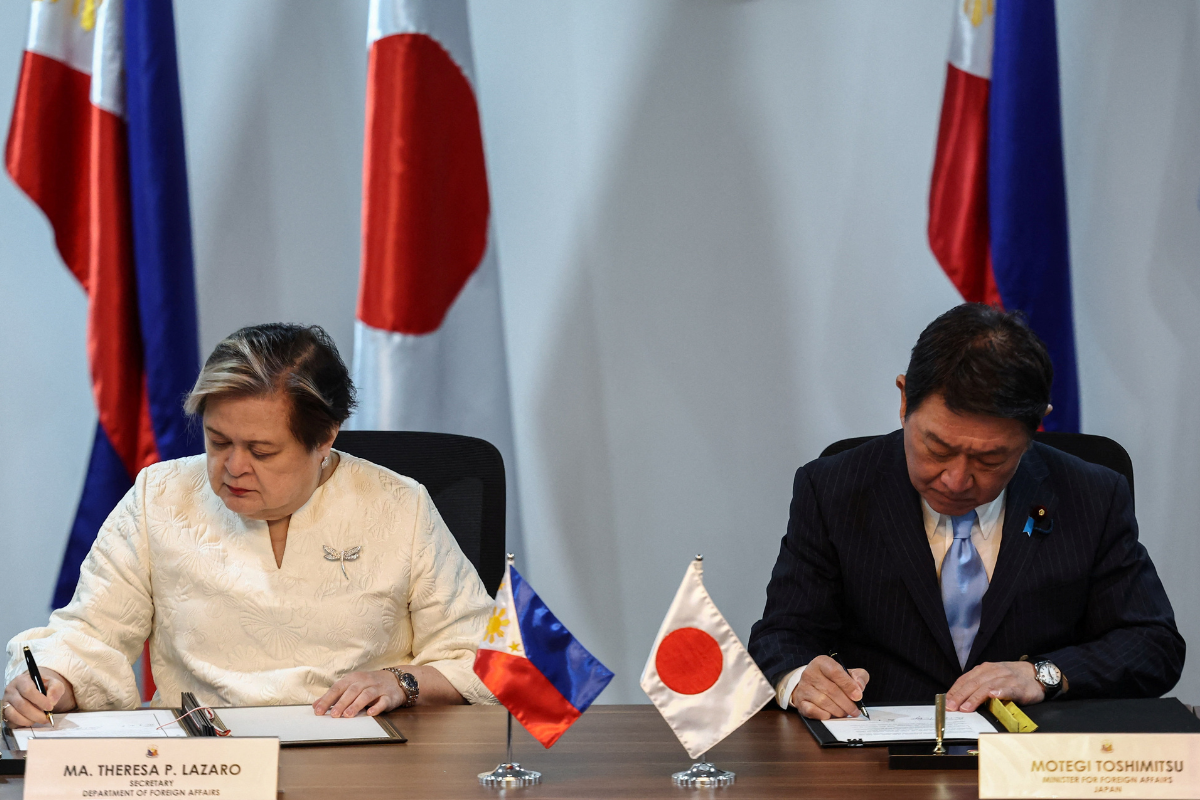
In 2024, Tokyo and Manila signed a reciprocal access agreement, allowing Japanese forces to train and operate in the Philippines. It’s Japan’s first such agreement in Southeast Asia and a major step away from its postwar military restraint. The extent of Tokyo’s participation in Manila’s defense can’t be ignored.
Japan has already transferred coastal radar systems and stepped up maritime security assistance. Going forward, those efforts will continue to expand. The reason for these moves is unambiguous and driven by one shared conclusion: Unchecked CCP power threatens everyone’s sea lanes and national security.
Will Deterrence Work?
Given the new reality of communist China’s growing aggression in the region, a few things seem likely. For example, we should expect tighter U.S.–Philippines–Japan coordination, moving from occasional cooperation to real joint planning. However, Beijing will likely continue to try to intimidate Manila in the various ways mentioned.
In response, the Philippines will continue modernizing its military with $35 billion in upgrades, indicating its growing role as a higher-profile ally of the United States and Japan rather than a quiet bystander. That will include diversifying trade, development, and economics away from China to avoid overdependence.
All these factors may lower the risk of Beijing ramping up its aggression toward Manila, but it’s not a certainty. It could raise the risk by polarizing the politics between the two.
The Manila deterrence isn’t about provoking conflict, but there’s no guarantee that it won’t.
Views expressed in this article are the opinions of the author and do not necessarily reflect the views of The Epoch Times.
 Friends Read Free
Copy
Facebook
Tweet
Friends Read Free
Copy
Facebook
Tweet