Commentary
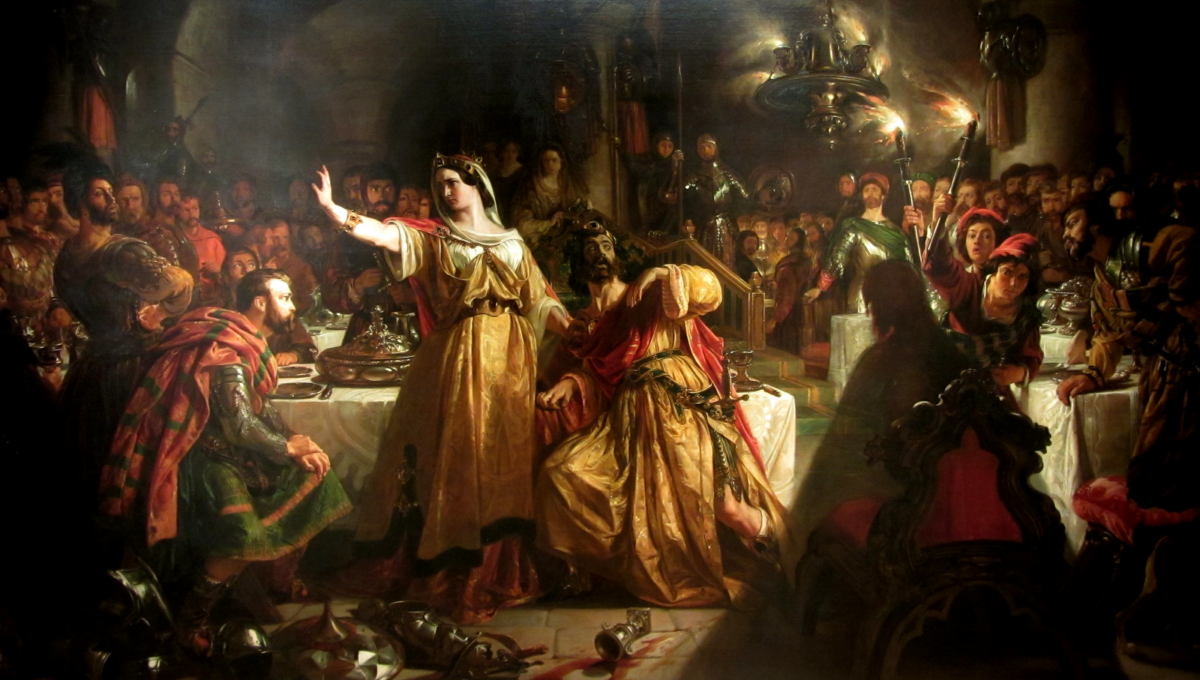
The fourth act of William Shakespeare’s play “The Tragedie of Macbeth” begins with the Scottish king, who has murdered his way to the throne, demanding that three witches conjure up spirits to tell of his future. The first warns Macbeth to beware of Macduff, the Thane of Fife. The second assures him that he needs fear no man born of woman. The third gives him what seems an equally reassuring prophecy:
“Be lion mettled, proud, and take no care / Who chafes, who frets, or where conspirers are. / Macbeth shall never vanquished be until / Great Birnam Wood to high Dunsinane Hill / Shall come against him.”
At the play’s end, all of these predictions have come true, but not in the way Macbeth expected, for his foe Macduff had been delivered by caesarean section and thus technically not born of a woman, and Macduff’s troops used branches from Birnam Wood to camouflage their appearance, making it seem that the forest has moved upon Macbeth’s position on Dunsinane. Unnerved, the usurping king engages in a duel with Macduff and is slain.
Like modern miniseries that begin with the announcement “Based on real events” and then go on to completely twist historical facts, Shakespeare’s dramas often play fast and loose with the truth, or, at least, with his historical source material, which in this case was the massive 1577 work titled “Chronicles of Englande, Scotlande, and Irelande” by Raphael Holinshed.
According to Holinshed, Macbeth attained the Scottish throne by defeating in battle his cousin, the incumbent King Malcolm who was accused of violating royal norms by naming his son, young Malcolm, as heir. Tradition mandated that kingship should alternate between different branches of the royal family, a practice that would have seen Macbeth as the legitimate inheritor of the crown. Then, says Holinshed, Macbeth ruled for 10 years, wisely at first, and then succumbing to paranoia and tyranny before being overthrown by the younger Malcolm.
In Shakespeare’s play, Macbeth, seduced by the prophecies of three witches and prodded by his ambitious wife, murders kindly old King Duncan in his sleep. Guilt-stricken and insecure, he enjoys but a short and murderous reign before his deserved fall.
In reality, Macbeth seems to have been easily accepted as the Scottish king. His hold on the throne was secure enough that he could leave the country to go on a pilgrimage to Rome; medieval annals praised him as renowned and generous. He did not in fact die in battle at Dunsinane, though he did fight a losing battle there against an English invasion in late July of 1054. English kings had long sought to bring Scotland under their control, and it is thought that Edward the Confessor wanted Macbeth overthrown so that he could install a puppet ruler whom he could manipulate. Macbeth lasted a further three years before he was eventually brought down in 1057 at the Battle of Lumphanan.
Why would Shakespeare choose an obscure Scottish king as a subject for one of his plays in 1606, and why would he ignore historical fact in doing so?
The answer lies in the recent accession to the English throne of James Stuart, king of Scotland. In 1603, Elizabeth I died without naming a successor, leaving the English political class to look for the nearest royal relative, as long as he was an adult male and a committed Protestant. James VI of Scotland, a first cousin once removed of the late queen, fit the bill, and he happily left poverty-stricken Scotland to assume the rule of much richer England as James I. It is no accident, therefore, that Shakespeare chose to write a play criticizing the violent overthrow of legitimate kings and praising Banquo, an ancestor of the Stuart line. (In Holinshed, Banquo is an accomplice of Macbeth’s; in Shakespeare, he is an innocent victim.)
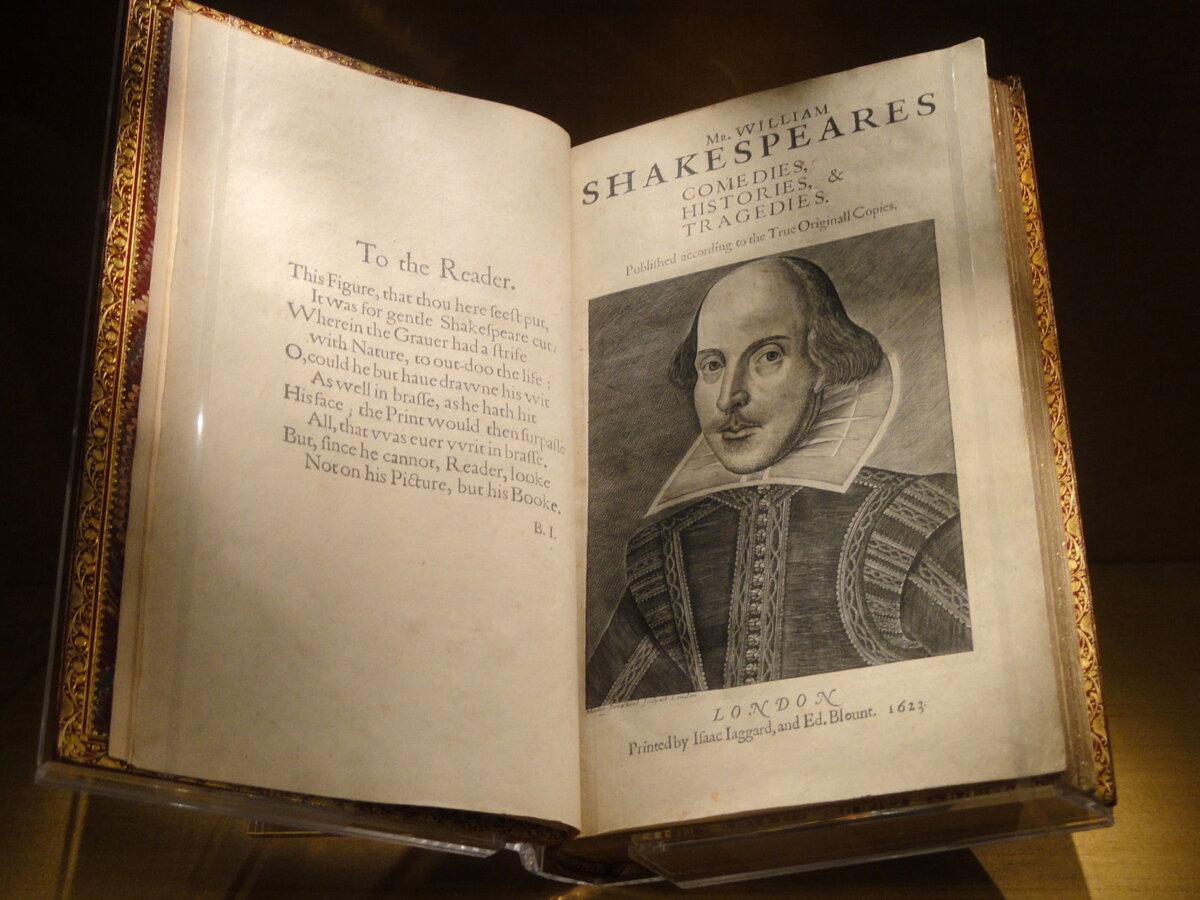
James also fancied himself a scholar. One of his works was “Daemonologie,” in which he asserted that witches possessed real power to harm and should be severely prosecuted. He believed himself to have been the object of a murderous plot in 1590 by witches whom he believed had tried to sink the ship carrying him and his wife from Denmark. Shakespeare’s play echoed many of the themes of “Daemonologie,” especially the ability to raise storms.
Englishmen in the early modern period were less prone to take the hysterical line on witchcraft that Scots and their king did. Despite a much smaller population, Scotland executed three times as many witches as England and—worse from James’s point of view—actually had scholars who doubted the harmful power of magic. Shakespeare, pursuing a career that relied on royal patronage, thus wrote Macbeth, a work backing his monarch against English skeptics.
Views expressed in this article are the opinions of the author and do not necessarily reflect the views of The Epoch Times.