
Commentary
It is time to recognize that Tehran is playing the jihadis’ ceasefire “offer and block peace talks” game.
On multiple occasions, U.S. President Donald Trump has halted the war with Iran’s jihadist regime to enter yet another disingenuous round of peace talks. The regime has already rejected the U.S. proposal while its forces violate the ceasefire. It is a game that extremist groups and regimes have played for years.
Yet somehow, the West has not learned that jihadis enter such talks only to ensure their survival and gain a hiatus to reconstitute their forces and plan their next outrage. Hamas and Hezbollah have been the primary players in this game, but the Iranian regime is a master as well. They claim to be interested in peace, secure a ceasefire, and then reject all proposals, hoping that their victims will simply give up on a long-term peace and continue the ceasefire until the next terrorist attack.
The Iranian people cannot afford the regime gaining yet another respite, and quite frankly, neither can Americans nor the Middle East.
It is a more than 40-year cycle. So far, Sri Lanka is the only country to have seen it through and brought the game to an end. For almost 27 years, well-intentioned nongovernmental organizations (NGOs) convinced Colombo to cease military operations, accept a ceasefire, and negotiate with the Tamil Tigers. The latter willingly accepted, of course, and used the break to conduct bombings and other terrorist attacks on buses, airports, and police stations inside Sri Lanka proper, inflicting hundreds of casualties each year.
Sri Lanka would retaliate by renewing military operations, only to see NGOs and Western leaders pressure the government into yet another ceasefire, which the Tigers used to rebuild, resupply, and prepare their next round of terrorist attacks. Finally, in 2009, the government ignored the pressure and launched a sustained offensive that ended the war by defeating the Tamil Tigers once and for all. Trump should do the same, albeit without a ground-force commitment.
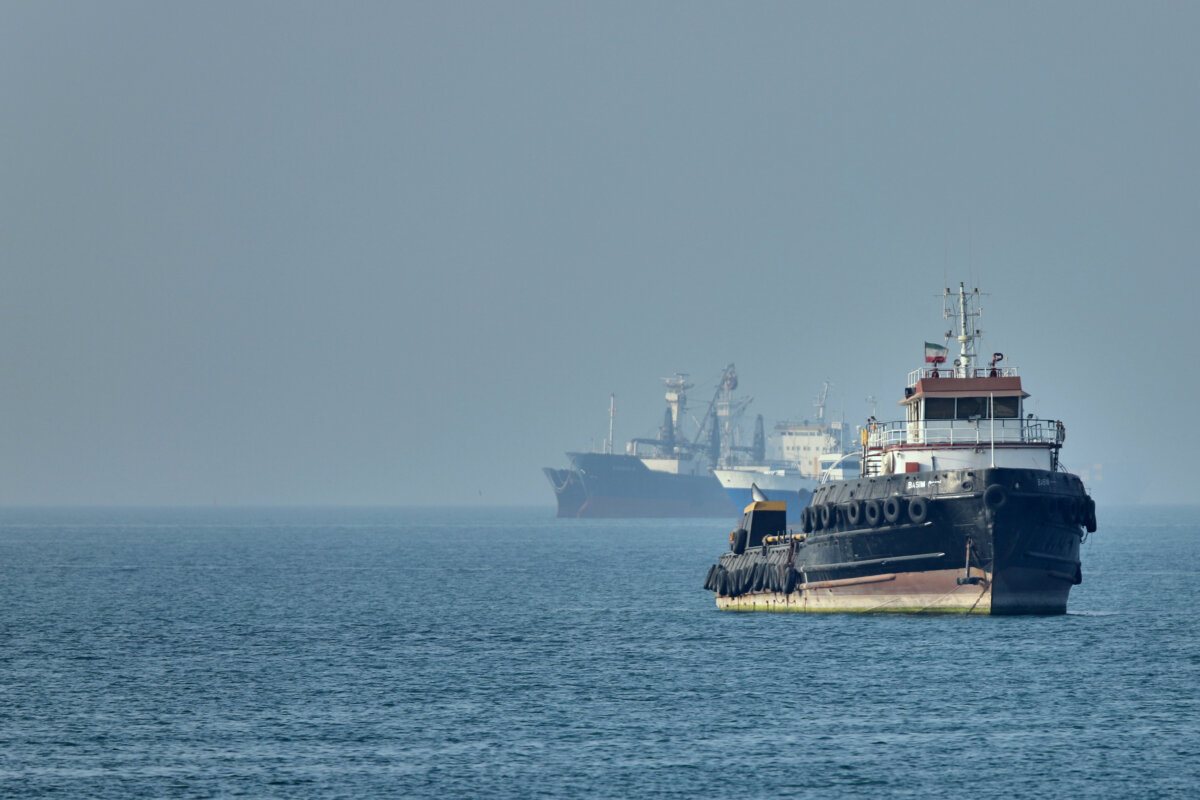
Iran’s clerics use every break in the fighting to “disappear” or murder regime critics and opponents, with up to 50,000 killed so far this year alone. The number of people suffering untold abuse in Tehran’s prisons remains unknown but is estimated at more than 100,000. This latest ceasefire has enabled the regime to add to those numbers and kill dozens, if not hundreds, more of its citizens. More visibly, the Islamic Revolutionary Guard Corps (IRGC) has exploited the reduced loss rates and the pressure from early U.S. operations to violate the ceasefire, attacking shipping and Iran’s neighbors.
It is time to recognize and respond to Iran’s game. The regime’s strategy focuses on its own survival, with its nuclear weapons program as a close secondary objective. Its offers of a peace deal are insecure and made purely to buy time. It hopes that domestic pressures will drive Trump to back off. Then it will await what it believes will create a U.S. midterm election result sympathetic to Iran, leading to a return of the Democratic Party’s preference for appeasement policies that sustain the regime’s income.
The regime will use that income to fund terrorist attacks on Western interests and its nuclear program, not for the benefit of its people. Moreover, the IRGC is more than just the dominant influence over the government, which was little more than the Ayatollah’s rubber stamp. The IRGC is now the governing authority directing the regime’s activities. Trump and his team should recognize this and act accordingly.
First of all, the Trump administration must maintain the blockade, with a subtle twist: allowing ships bound for U.S.-friendly countries to carry their cargoes but not to return to Iranian ports. That will ease some of those countries’ immediate economic pressures while preventing any future Iranian profit.
Anything that hurts the Iranian regime financially benefits the West. Little, if any, of that income reaches the population. The regime sees its people as sacrificial lambs for its nearly 50-year jihadist ambitions. At the same time, the Trump administration must take strong action to restore global oil exports—this time without concessions to appease Tehran’s nonexistent peace faction.
Project Freedom offers a means to resume the Persian Gulf’s oil exports. It will be slow going at first, until confidence in ship and cargo safety is restored. However, like all defensive operations in war, it will succeed only if the enemy’s means of attacking the ships are destroyed. The bombing and strikes on IRGC facilities, units, and cave exits must be resumed.
The IRGC claims suicidal bravery, but if it becomes almost suicidal to come out of the caves to launch drones, missiles, and fast-attack craft, a growing number will stay inside the caves and underground facilities. As the IRGC goes, so, too, does the regime.
Ultimately, the Iranian regime believes that time is on its side. It needs only to survive to win and knows that the U.S. midterm elections are coming. Trump should recognize that as well. The regime has been weakened. That does not mean giving it a respite. Rather, it means demonstrating that its primary chance for survival requires the termination of its nuclear program, with a mechanism that provides absolute proof the program is gone. Anything short of that merely “kicks the can down the road” and ensures a return to the appeasement policies of past U.S. administrations.
Views expressed in this article are the opinions of the author and do not necessarily reflect the views of The Epoch Times.
 Friends Read Free
Copy
Facebook
Tweet
Friends Read Free
Copy
Facebook
Tweet