Commentary
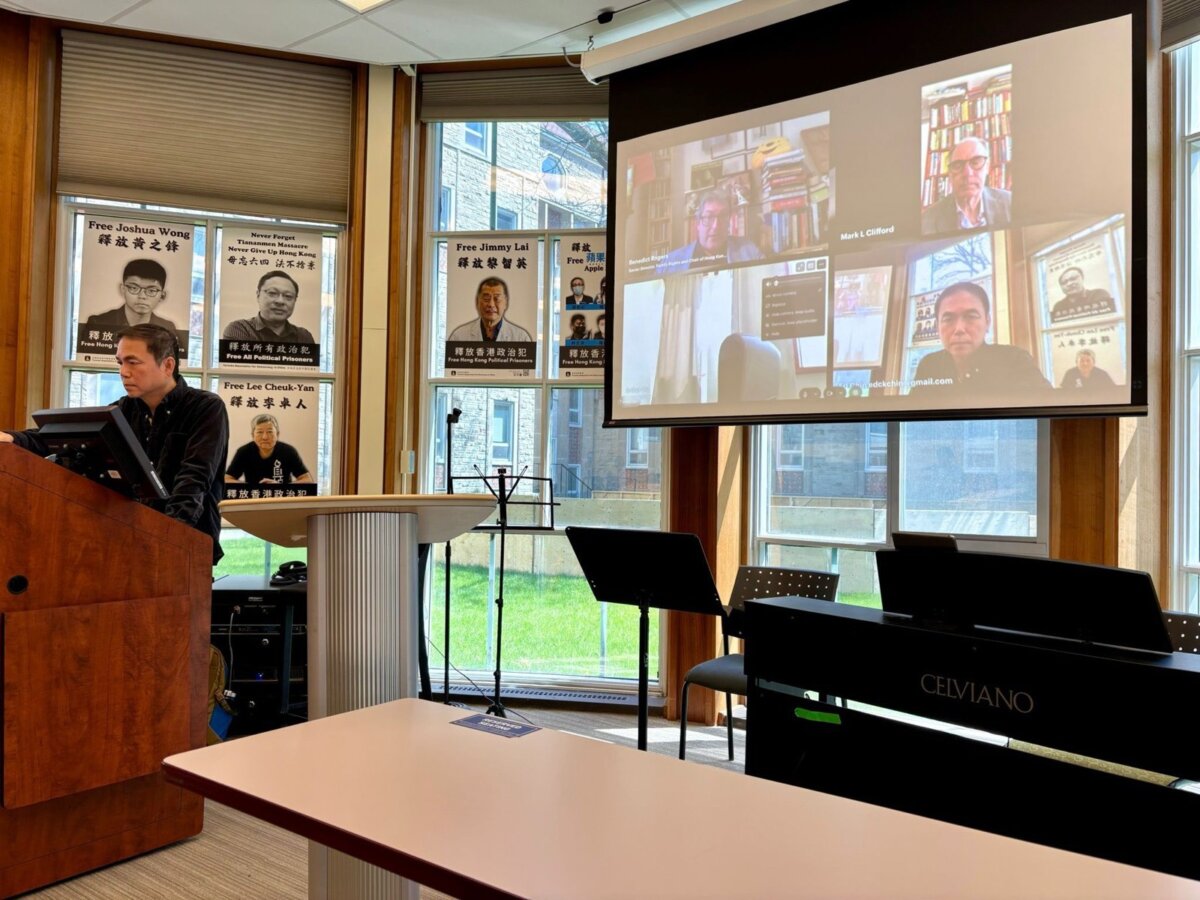
The World Hong Kong Forum was held on April 26 in Toronto as a gathering of conscience, remembrance, and solidarity in support of Jimmy Lai and other political prisoners of Hong Kong. It brought together voices determined to affirm that truth cannot be silenced and that the human desire for freedom cannot be extinguished by imprisonment.
That message matters because authoritarian systems rely not only on repression, but also on silence. They seek to isolate prisoners, erase names from public memory, and persuade the world that resistance has ended.
Yet the voices gathered at this year’s forum showed the opposite. Behind prison walls may be journalists, lawmakers, students, trade unionists, lawyers, and faith leaders—but beyond those walls stands a global community determined to remember them.
Jimmy Lai as the Symbol of a Wider Struggle
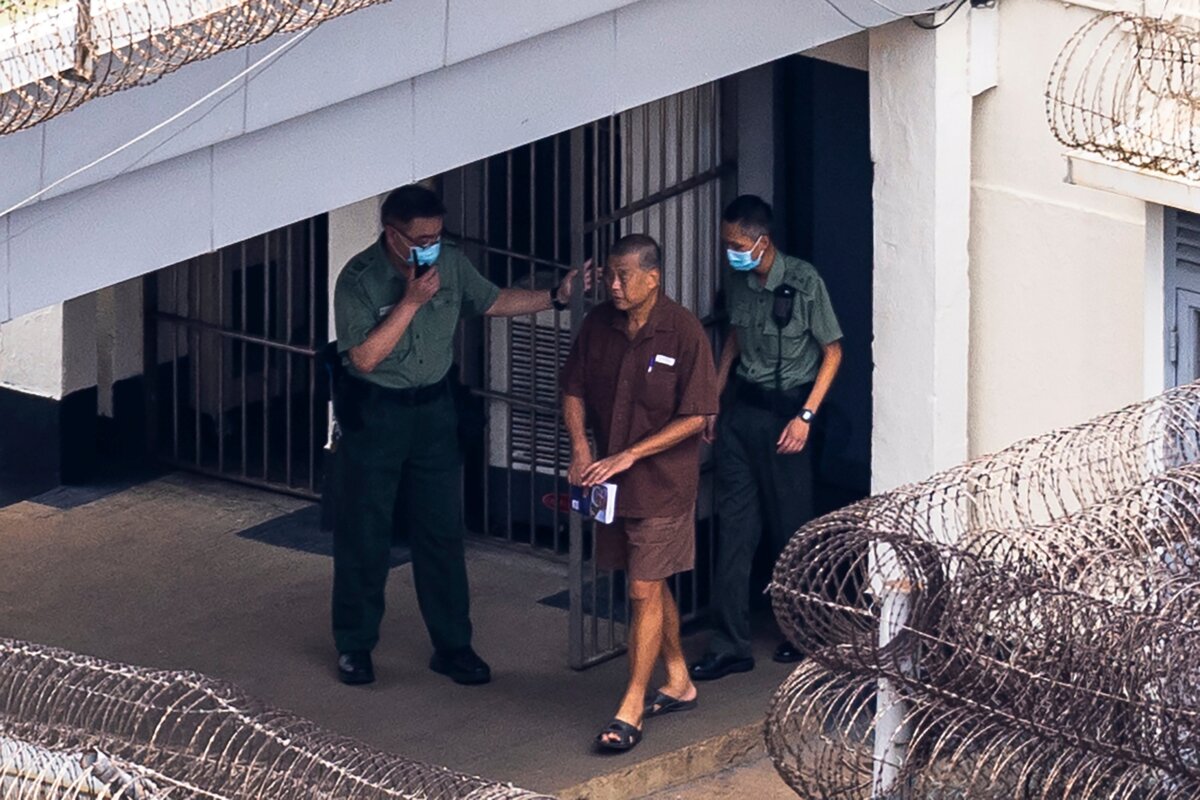
Lai is also someone I have known for more than 30 years. Over those decades, I came to know him not only as a successful entrepreneur and publisher but also as a man of conviction who consistently believed that Hong Kong deserved freedom, dignity, and the rule of law.
His true offense was not corruption or violence. It was his belief that a free press matters, that truth should not fear power, and that Hong Kong deserved to preserve the liberties once promised to it. Those principles made him a target.
Yet Lai is only one among many.
There are former legislators imprisoned for participating in democratic processes. There are young protesters jailed for dissent. There are civil society leaders prosecuted for peaceful activism. There are ordinary citizens whose futures were disrupted because they chose conscience over fear. There are families divided by prison sentences and exile.
At the forum, speakers repeatedly emphasized that political imprisonment in Hong Kong is not merely a local matter—it forms part of a broader contest between open societies and authoritarian control. When journalism is criminalized, elections are emptied of meaning, and speech is treated as sedition, the consequences reach far beyond one city.
Exile Has Not Produced Surrender—It Has Produced Renewal
One of the most important moments of the forum was a four-way conference discussion featuring Mark Clifford of the Committee for Freedom in Hong Kong Foundation; Benedict Rogers, cofounder of Hong Kong Watch; Arthur Liu, an attorney in California and survivor of the Tiananmen Square massacre; and me as convenor. Although we came from different backgrounds—journalism, international advocacy, legal activism, and finance—the common conclusion was unmistakable: We must keep hope alive despite all circumstances.
Clifford stressed that political prisoners such as Lai must remain central to diplomatic engagement and public awareness. Democracies, he argued, should never treat human rights as secondary or optional.
Rogers reflected on the dramatic transformation of Hong Kong. He observed that today one could risk arrest for wearing the wrong color shirt, liking a social media post, or singing a song. Yet he also spoke with hope, saying he still dreams of one day meeting me again at the Foreign Correspondents’ Club Hong Kong. To look up there and see Lai’s name, he said, would not merely be symbolic—it would represent the mission that still unites us.
Liu spoke movingly of how Hong Kong once served as a refuge for those fleeing the aftermath of the Tiananmen Square massacre in 1989. He said that those who benefited from Hong Kong’s compassion now carry a responsibility to stand with the city in its darkest hour.
I emphasized that exile communities must continue to build institutions, mentor younger generations, and sustain long-term advocacy. Hope, after all, is not passive optimism; it is disciplined perseverance.
Across democratic societies, Hongkongers are creating community organizations, media platforms, youth initiatives, advocacy groups, and cultural networks. They are voting, volunteering, participating in civic life, and serving their adopted countries while preserving a distinct identity rooted in freedom and responsibility.
Building Institutions, Communities, and Influence
A recurring theme at this year’s forum was that the diaspora must move through three stages: self-preservation, self-reliance, and self-empowerment.
First, prioritize safety by assisting newcomers in finding housing, legal assistance, employment, and emotional support. Next, focus on rebuilding livelihoods and communities. Ultimately, leverage the newly gained freedoms to shape public policy, strengthen democratic institutions, and advocate for those who remain silenced.
This is why gatherings such as the World Hong Kong Forum matter. They are not nostalgic reunions. They are working sessions for a living movement.
Participants discussed practical responses to political repression: targeted sanctions on officials responsible for abuses, stronger protections for refugees and dissidents, and coordinated international pressure for the release of political prisoners. There were repeated calls to place human rights firmly on the agenda of all diplomatic engagement with Beijing.
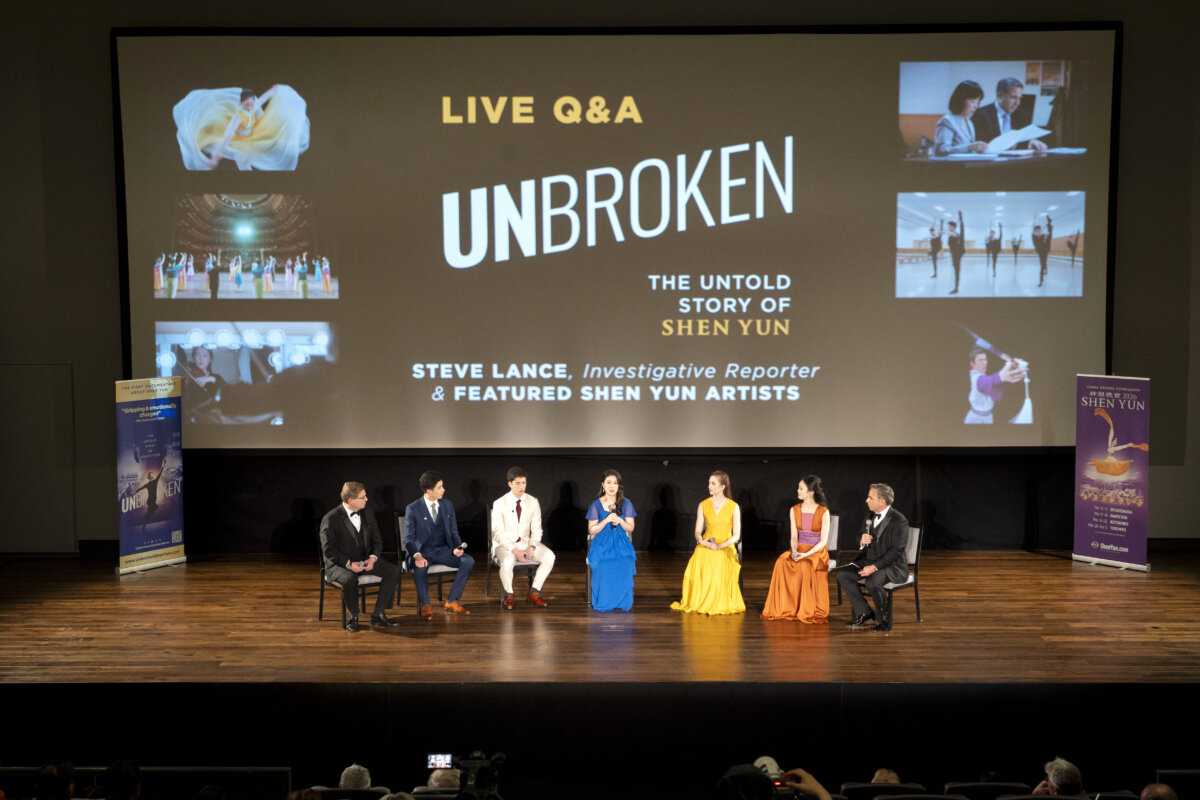
Another notable moment came when a supporter of Shen Yun Performing Arts spoke about the recent cancellation of six scheduled performances in Toronto.
The speaker described the decision as deeply troubling and argued that artistic freedom in democratic societies must be protected from intimidation, disruption, or foreign pressure. The remarks served as a reminder that the struggle for freedom is not limited to politics alone—it also includes culture, expression, and the right of audiences to experience art without fear.
Memory, Endurance, and the Long Marathon
The forum also addressed a topic too often overlooked: emotional endurance.
Long struggles can wear people down. Trauma, displacement, family separation, and uncertainty place heavy burdens even on the most committed individuals. For that reason, mental health professionals and faith leaders were invited to discuss healing, resilience, and moral courage. A movement that ignores human suffering cannot sustain itself.
Another powerful message emerged: Identity can survive displacement.
Hongkongers have been scattered across continents, yet dispersion does not mean disappearance. Communities are planting roots in Toronto; London; Vancouver, Canada; Sydney; and elsewhere. Children are learning Cantonese. Cultural traditions are being preserved. Civic values are being passed to a new generation. Public commemorations continue where they are no longer permitted at home.
The candle that cannot be lit in Hong Kong is lit elsewhere.
You Are Not Forgotten, and Hong Kong Is Not Finished
This is why the words “you are not forgotten” carry such force.
To prisoners, remembrance means they have not been abandoned. Their sacrifices continue to inspire action. Their names are still spoken in public halls, churches, parliaments, classrooms, and homes. To jailers, remembrance means repression has limits. A prisoner may be confined, but the meaning of their witness cannot be locked away.
The road ahead will not be short. Anyone honest about Hong Kong’s future understands that change may take years, perhaps longer. There will be setbacks, divisions, disappointments, and moments of fatigue. Yet history often shows that systems built on fear appear strongest just before they weaken. What endures is not coercion, but conviction.
For five years, the World Hong Kong Forum has brought together people who believe Hong Kong’s story is not over. Each year we gather not simply to remember the past, but to prepare for the future. We gather because freedom deserves defenders. We gather because prisoners deserve advocates. We gather because younger generations deserve the truth. And we gather because one day Hong Kong will need to be rebuilt—not only economically or politically, but also morally and civically.
To Lai and to every prisoner of conscience in Hong Kong: Your courage has not disappeared into a prison cell. It has traveled across oceans. It lives in communities that continue to organize, speak, vote, write, pray, and persevere.
You are not forgotten. And neither is Hong Kong.
A previous version of this article ran with a caption containing an incorrect name for Edward Chin.
Views expressed in this article are the opinions of the author and do not necessarily reflect the views of The Epoch Times.
 Friends Read Free
Copy
Facebook
Tweet
Friends Read Free
Copy
Facebook
Tweet