
Commentary
Does the end of gunfire mean peace? In Ukraine, the answer is tragically no. History teaches us that true peace is not merely the absence of war—it is the presence of justice, trust, and enduring cooperation. The Treaty of Versailles ended World War I but created a negative peace. In doing so, it sowed the seeds of another war. Only after World War II did the United States, as a global power, construct a system under Bretton Woods and the United Nations which addressed the structural and cultural roots of conflict and laid the foundation for a positive peace.
Ukraine, Russia, and their interlocutors now stand at a crossroads: a choice between establishing a negative peace, one that includes hybrid warfare and only delays the outbreak of another armed conflict, and establishing a positive peace that creates long-term, lasting cooperative relations, not just a grudging coexistence.
I believe Russian President Vladimir Putin’s alleged historical claims on Ukraine are not causes—they’re mere excuses masking deeper dysfunctions in Russia’s foreign posture. If past ownership justified aggression, Europe would be in perpetual war: Poland once held parts of Ukraine, Germany parts of Poland, and Rome once ruled most of Europe. Yet most modern European powers respect postwar borders and prioritize cooperation over conquest. The EU’s adoption of Bretton Woods norms has neutralized revanchist impulses. Leaders understand that violating treaties is neither viable nor profitable. Peace endures when nations reject zero-sum thinking and embrace mutual gain—an insight rooted in history, the Prisoners’ Dilemma, and the Nash equilibrium concept.
Putin’s claim that NATO expansion threatens Russia masks deeper insecurities—chiefly, fear that Ukraine’s aspirations for integration with Western Europe undermine his grip on power. For what it’s worth, NATO and EU enlargement were not acts of aggression but responses to Eastern Europe’s desire for democratic identity and economic opportunity. As Russia’s own diplomats, including Evgeniy Primakov, admitted, Moscow had neglected its former allies and nothing, despite verbal assurances, was put into writing to foreclose NATO accepting new members after 1991, which mercurial President Boris Yeltsin grudgingly accepted. In U.S. policymakers’ minds, the purpose of NATO expansion in the mid-1990s was to prevent ethnic nationalism, to bolster democratic reform, and to foster prosperity, not provoke Russia.
Russian distrust of the United States, NATO, and Ukrainian democracy stems from a perceived western betrayal of President George H.W. Bush’s assurances to Mikhail Gorbachev that Russia, by renouncing hostility, would join the global order as an equal. The Gulf War affirmed this vision, but subsequent U.S.-led interventions in Kosovo, Iraq, and Libya undermined U.N. norms and signaled U.S. strategic disregard for collective security. Putin’s response aligns with G. John Ikenberry’s theory: Unlike past defeated powers, Russia, in the immediate post-Cold War period, embraced the post-1945 order, expecting restraint from the U.S. hegemon. Instead, U.S. actions eroded trust, prompting Russia to reassess its place in a system it once sought to join. After 2003, the United States, and by extension NATO, became a perceived threat to Russia, and Ukraine’s democratic, West-leaning aspirations triggered Russia’s historic paranoia of encirclement. Now, all sides face a security dilemma.
That said, the real root of Russia’s war on Ukraine lies in its ambition. Bereft of public accountability and transparency, Moscow’s regime fears democratic contagion and envies the resilience of liberal states. The real challenge for Russia’s current leadership is the prospect of a successful, sovereign Ukraine choosing Europe over autocracy.
Putin’s demands—territorial concessions, NATO exclusion, and regime change in Kyiv—are not peace terms; they are ultimatums that ignore the deeper causes of war.
Thus, any pending peace deal with today’s Russia will be fragile, and only a cease-fire. Without Russian withdrawal from the occupied territories, Western leaders risk repeating Chamberlain’s appeasement—inviting future, wider wars in Europe—and in China in Asia. Some analysts warn that future conflicts could extend beyond Ukraine, potentially involving places such as Kaliningrad on the Baltic Sea.
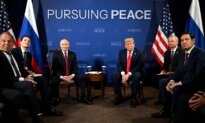
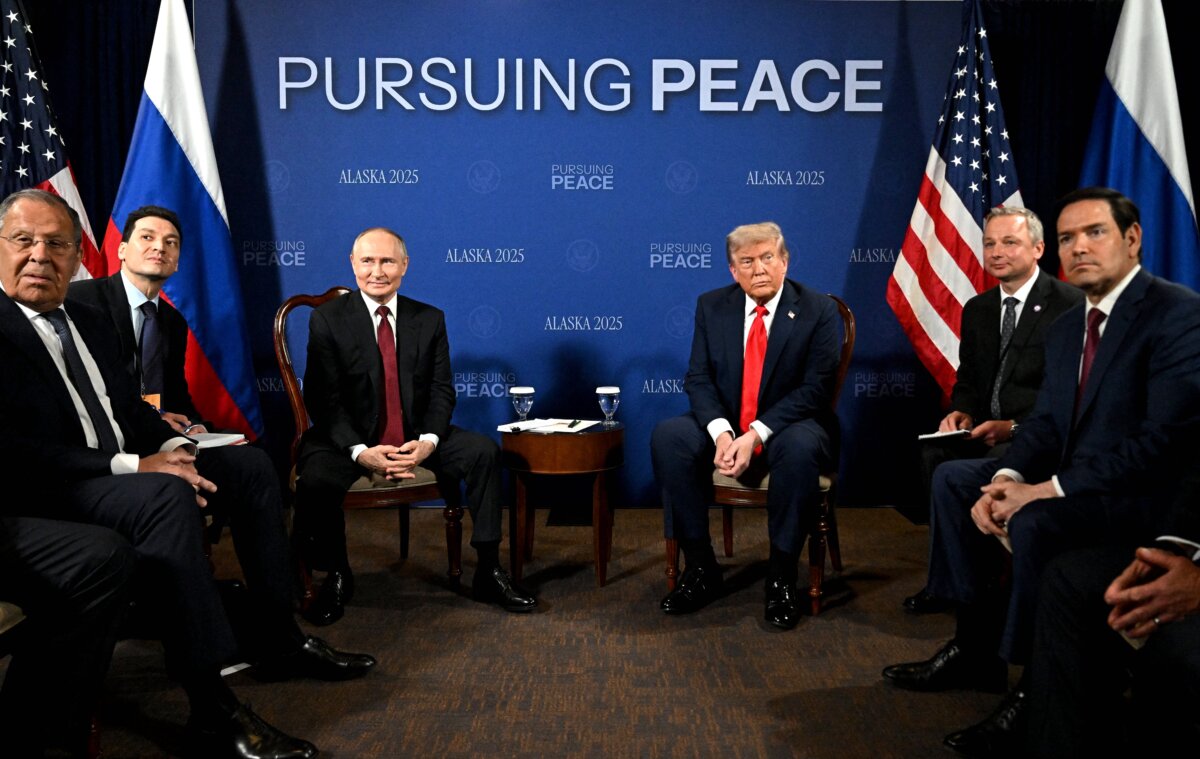
No matter what U.S. President Donald Trump, Putin, and Ukrainian President Volodymyr Zelenskyy negotiate, Ukraine must brace for hybrid threats—that is, at least until they resolve their core differences. Enduring peace demands one of three paths: Russia democratizes, Ukraine abandons democracy, or the West dismantles its strategic dominance—dissolving NATO and ceding economic hegemony. Only the first path neither betrays democratic principles nor rewards aggression.
Peace requires more than cease-fires. It demands institutions fostering cooperation, economic integration, and mutual respect. Unless Russia embraces democratic reform and turns away from imperial ambitions, any treaty will be fragile. Most importantly, the West must not repeat the mistakes of appeasement. Ukraine’s sovereignty must be defended—not just for its own future, but for the integrity of the international order, be it in Europe or in Asia.
Views expressed in this article are the opinions of the author and do not necessarily reflect the views of The Epoch Times.
 Friends Read Free
Copy
Facebook
Tweet
Friends Read Free
Copy
Facebook
Tweet