
Commentary
Memes rank among the most fun features of the internet. They take shape and spread like wildfire, boiling down complicated points into just a few words and pictures. It’s one of the few truly great innovations of digital media, and all the better that no one institution is in charge of them. They can start anywhere and then take the whole world by storm.
A fascinating question in this framework appeared over the weekend, and the response was in the many thousands, many of them extremely clever, reducing treatises to three words. The instructions were to write a modern horror story in three words.
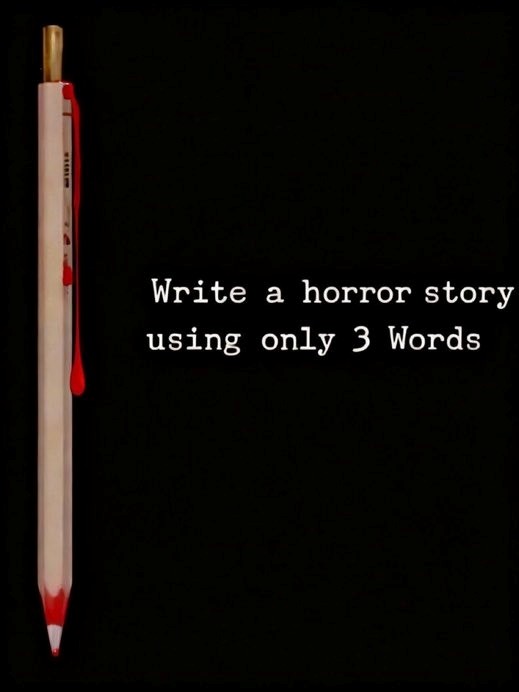
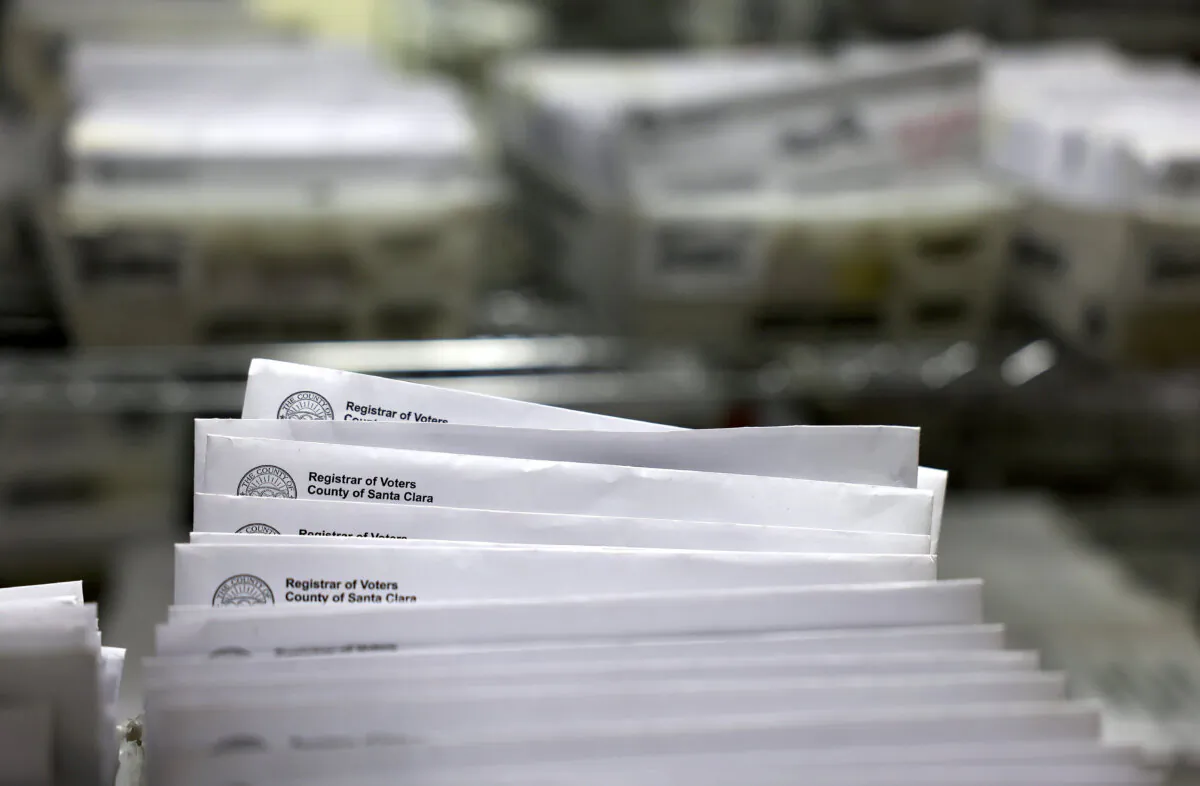
My vote is this: mail-in ballots.
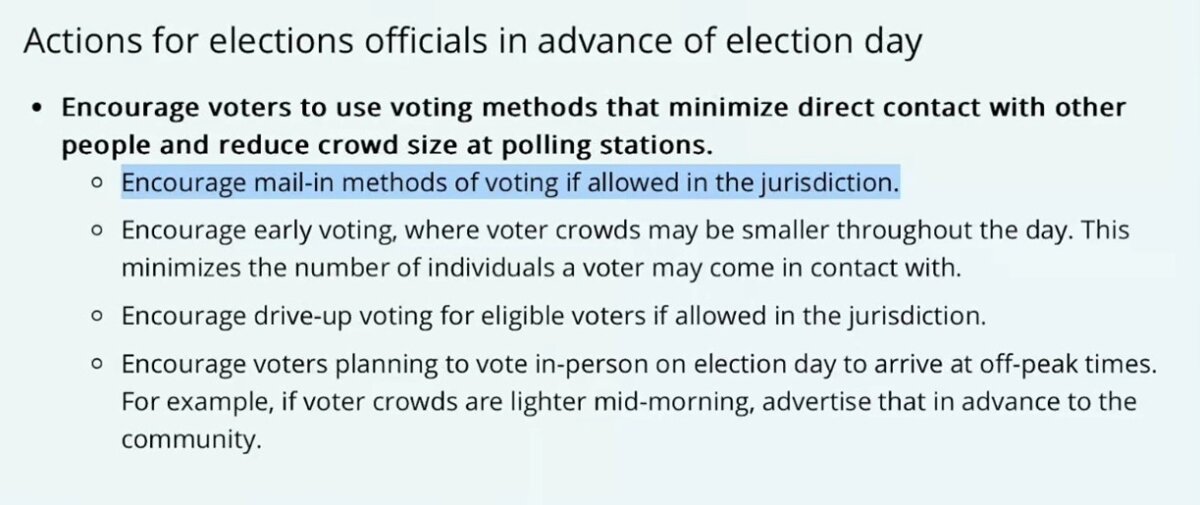
The date was March 12, 2020, a full week before anyone had heard anything about “flatten the curve” (another strong vote for the three-word nightmare). The instruction came from the Centers for Disease Control and Prevention, a bureaucracy that had never before intervened in voting protocols.
The new instruction partially read as follows: “Actions for elections officials in advance of election day. … Encourage mail-in methods of voting if allowed in the jurisdiction.”
The switch to online voting was fully funded by Congress in the CARES Act that was barely read, such that our representatives were not aware of what was coming. Mail-in ballots became the norm in the election, with ballots being pushed out to everyone via social media apps. When I flew around the country, I received a notification to download and submit a ballot. I swear I could have voted five times.
When Election Day came, Trump had emerged as the easy winner, and most of us went to bed. Betting odds for a Trump victory were well over 90 percent. Then we woke up to the opposite result. The odds had flipped upside down, and Biden was declared the winner. I thought that Trump was being a bad sport by denying that he lost, but at that point, I had no idea of just how sketchy the results truly were.
For the midterm election of 2022, the disease mania was still in the air, and mail-in balloting was still the norm. This is despite the appearance of the shots.
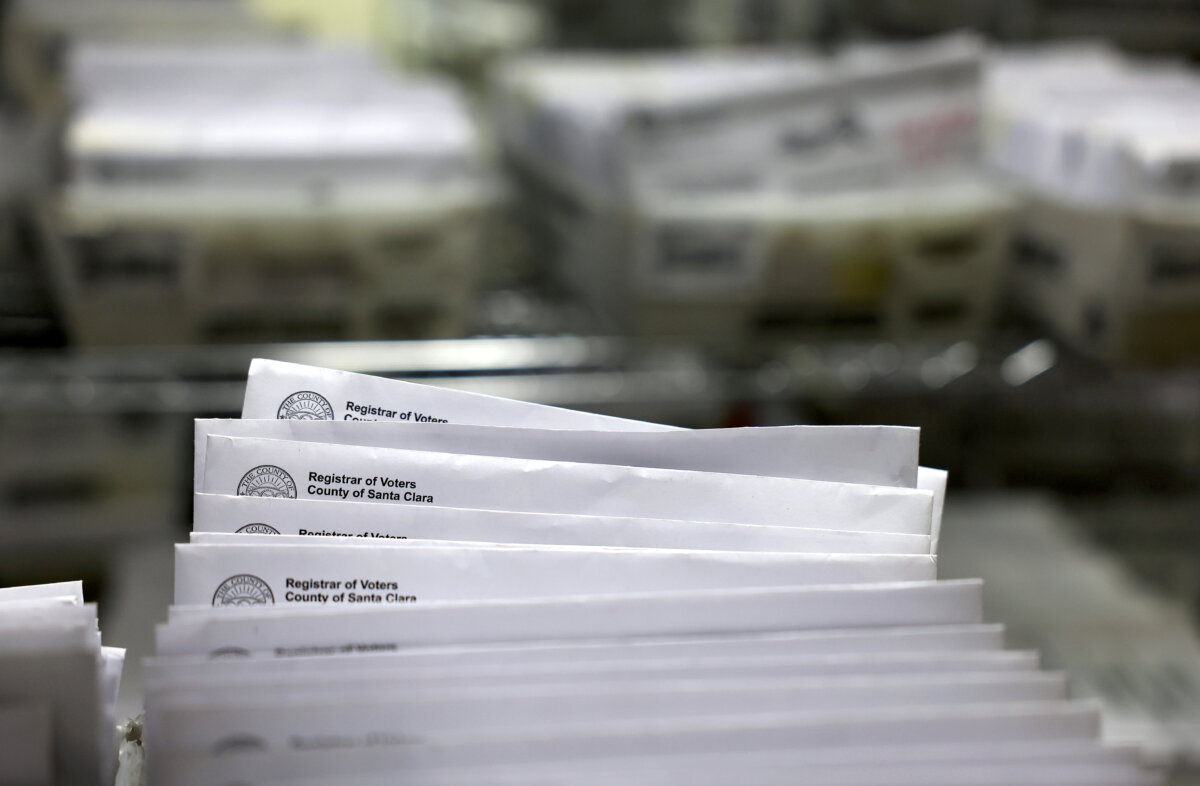
As a result, two massive elections have question marks over them. It is well-known the world over that mail-in votes are enormously insecure, which is why they are banned or highly controlled in most places. In the United States, in two successive elections, the mail-in ballots created absolute chaos. This has led to a great deal of public distrust in voting.
That’s truly a horror.
Other votes for three-word horrors:
- Flatten the curve
- Slow the spread
- Follow the science
- Trust the experts
- Wash your hands
- Trust your doctor
- Safe and effective
- Just two weeks
- Wait two weeks
- No toilet paper
- It’s horse paste
- I’m the science
- Gender-affirming care
- Puberty is paused
- Men become women
- Diversity, equity, inclusion
- World Economic Forum
- Mostly peaceful protests
- The scientific consensus
- Very, very rare
- The greater good
- Build Back Better
- Misinformation, disinformation, malinformation
Yes, many are funny but, then again, not. There is a wild story behind each of them. If you lived through this period, you can tell your own story about each.
What is the ethos behind these viral memes? It’s all about a loss of trust. Not just in government. Not just in media. Not just in pharmaceutical companies. It’s a loss of trust in everything and everyone, so much so that many people have had to cobble together new communities of support, find new sources of news, and discover new voices that provide rational and credible understandings of the chaos of our times.
Perhaps there was a time when I was young when I hoped for a day that people would come not to trust government. I had no idea that when that day arrived, the loss of trust would involve vast swaths of the rest of society, even major religious bodies that closed their doors to people on important religious holidays. You just don’t easily recover from that sort of thing.
A world without trust is not a place in which anyone wishes to live. To go about one’s day in a constant and tested mode of incredulity is a deeply unsettling way to live. And yet that’s where we are. We are grateful, all of us, to have made it through the worst of times, but cannot stop rehearsing in our minds what a narrow escape we made.
The point is that it could be worse. American institutions proved themselves to be resilient in the face of unrelenting attacks. The Bill of Rights was nearly abolished, but just before the lights went out completely on the Founders’ vision, the lights gradually came on again. Now we are left with the huge job of finding our way forward.
Part of me has worried how history will treat the past five years. My concern is that the whole thing will be forgotten and then buried in claims that the injection product fixed all issues with the pandemic. I’m ever more confident that this will not be the story. The emerging consensus is that the whole pandemic was massively mismanaged at every step.
Nor is it the case that our times can be characterized by mass compliance with only a few anti-science radicals in resistance. That certainly does not seem to be the case. Now that we have venues available in which people are more free to speak their minds, we realize that we are far from being alone.
It’s good that we can make light of the experience now, but that was not the case in the thick of it all. Part of the reason for the memes like the above and the resulting creativity they generate is that we are starting to see some evidence that truth is emerging above all the dissembling and duplicity. It makes us feel like the world is gradually healing.
We cannot get back those lost years. Particularly for the students kept from school, with social networks shattered, the pain lingers. But we are all playing catch-up now. There is nothing we can do to change the past, but much we can do to forge a better tomorrow.
Views expressed in this article are the opinions of the author and do not necessarily reflect the views of The Epoch Times.
 Friends Read Free
Copy
Facebook
Tweet
Friends Read Free
Copy
Facebook
Tweet