
Commentary
The Trump administration has cut another deal with China that, in part, secures supplies of rare-earth elements. Washington, however, wants something more than this fragile agreement.
China, the White House knows, can always leverage its near-monopoly over global rare-earth supplies. Because these materials are critical to just about every aspect of advanced technology, Washington has launched a major effort to find alternatives so that U.S.-based technology need not worry about Beijing-imposed shortages and so that China will lose what is now its trump card in trade negotiations with the United States.
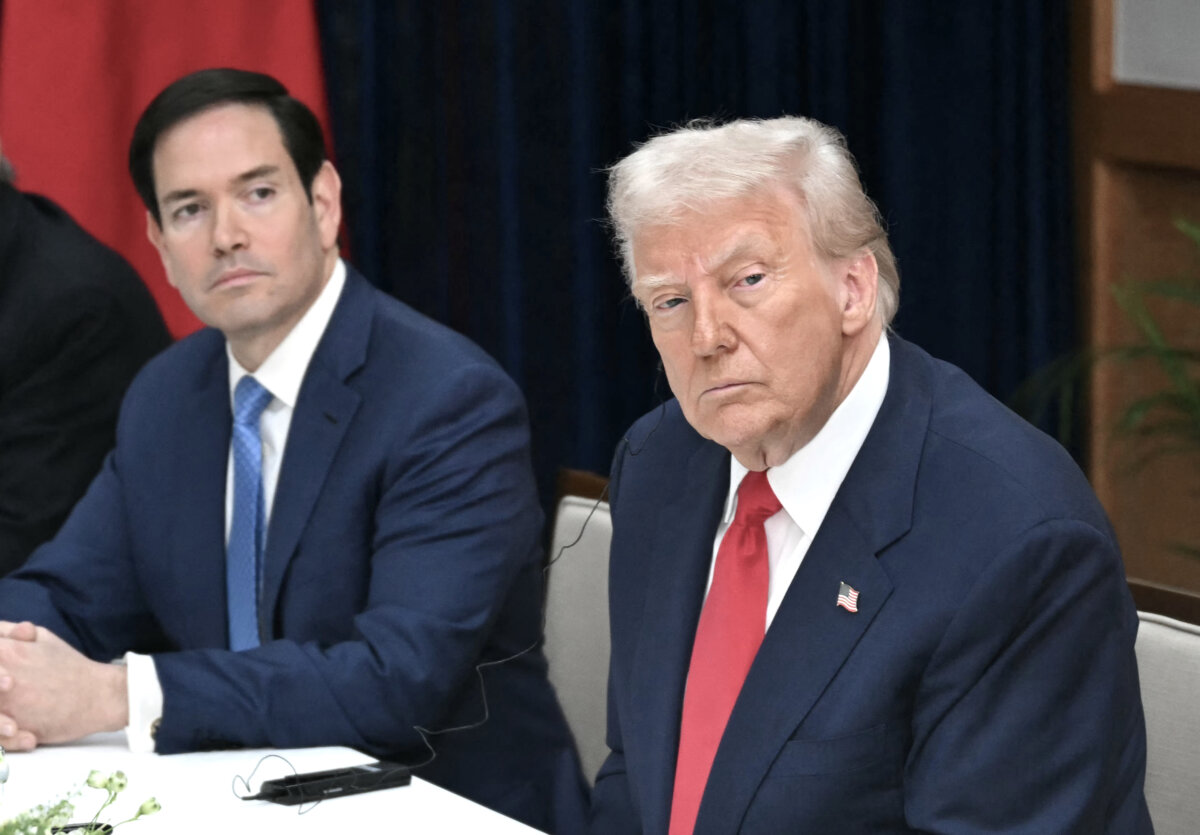
According to preliminary reports on the deal between U.S. President Donald Trump and Chinese leader Xi Jinping recently reached in South Korea, the United States will cut tariffs on Chinese goods from 57 percent to 47 percent and, in return, Beijing will take steps to stop the flow of fentanyl into the United states and pause for a year plans to impose export curbs on rare-earth elements. Even if both parties live up to their promises—which is by no means certain—this deal is at most a temporary truce in the ongoing trade dispute between the two nations.
From the U.S. side, the deal can buy Washington time as it seeks to secure alternative sources of these essential elements. And it would seem that nature is on the United States’ side. Despite the name, rare-earth elements are not especially rare—deposits are found worldwide.
China has amassed control over rare-earth elements for two reasons. First, it is more willing than most countries to tolerate the highly polluting character of rare-earth mining and refining. Second, China’s rare-earth producers have, for years, discouraged foreign development by flooding global markets with supplies, thereby depressing prices. As a consequence, China has gained control of some 60 percent of global rare-earth mining and 90 percent of its refining. Many foreign mines send raw ore to China for refining.
Even though Beijing has promised not to curb exports of these critical materials, it has recently and threateningly put in place the wherewithal to do so. Starting in the spring, Beijing tightened licensing requirements for rare-earth production and imposed a requirement that producers get Beijing’s permission for export, even when rare-earth materials account for less than 1 percent of the value of the product.
Some Chinese producers slowed sales at the time to make sure that they were in compliance with Beijing’s new demands. That slowdown and the threats implicit in these control measures caused a sudden jump in rare-earth prices in May, when the new rules went into effect.
Washington’s effort to find alternatives and neutralize China’s stranglehold on these essential minerals can only be described as multi-pronged. Its main element is an offer of contracts and financing, a move that has encouraged retail and institutional investors to follow with additional financing.
Just recently, for example, Orion Resource Partners, an investment firm specializing in metals, announced a $1.8 billion investment consortium seeded with both government and private capital to develop domestic sources of rare-earth minerals. J.P. Morgan also recently announced a $75 million investment in Perpetua Resources, an Idaho-based mining operation. The Pentagon has awarded Ucore Rare Metals, a Canadian rare-earth processor, a $18.4 million contract to build a plant in Louisiana.
To neutralize any future Chinese effort to discourage such development by flooding the rare-earth market, Washington has promised to put a floor under the price of these metals. Amid the enthusiasm and new activity, MP Materials, the United States’ premier rare-earth mining company, has seen its share price quadruple this year, providing a clear source of development capital.
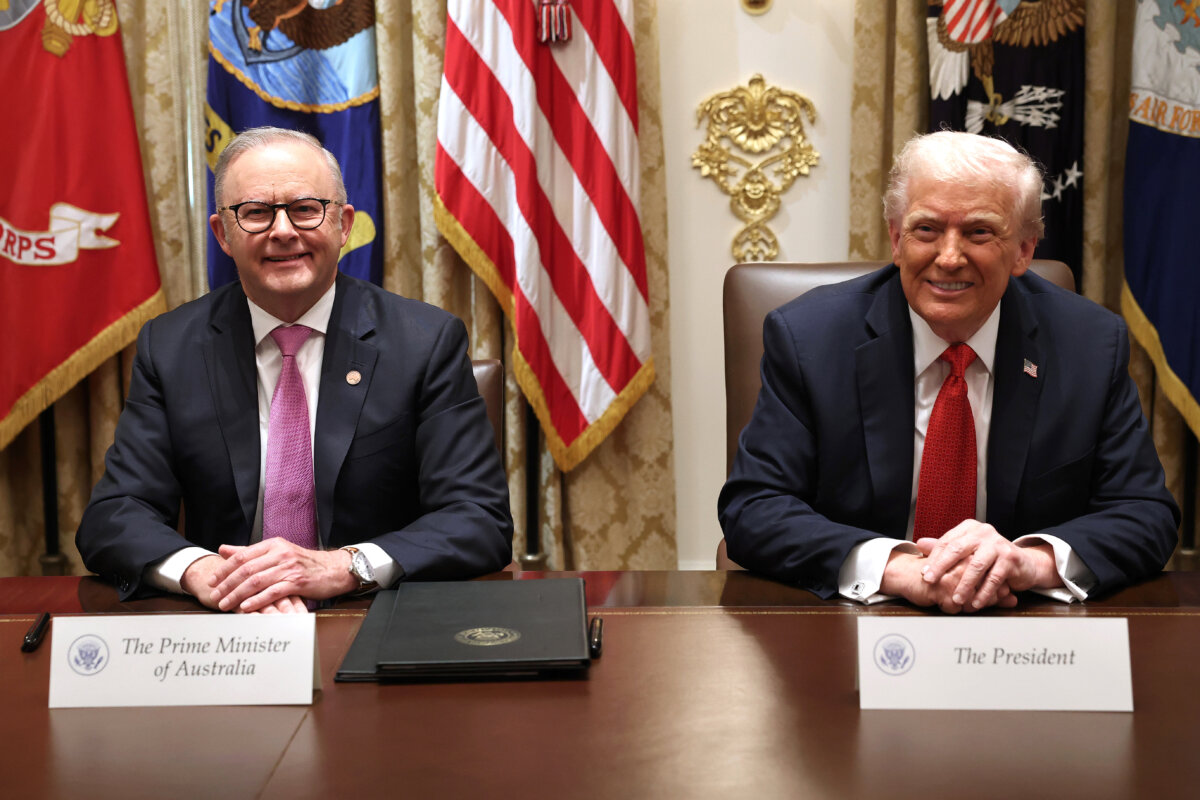
Nor is Washington’s effort purely domestic. Trump’s recent accord with Australian Prime Minister Anthony Albanese included rare-earth projects in Australia. The Australian rare-earth company Lynas Rare Earths raised $500 million for expansion. If it needs more, it can tap its shares, which have tripled in value since last spring, when China began threatening to withhold exports.
Just last month, while Trump was traveling in Asia, he signed so-called memoranda of understanding with Malaysia and Thailand to mine and process rare-earth metals. The agreement with Malaysia is especially important because that country already has an established mining operation that could scale up quickly and will likely do so now that contracts are all but guaranteed.
Even the existing mining and refining efforts will take time to make a significant difference in China’s global rare-earth dominance. Until such time, Beijing will retain a powerful lever in negotiations with the Trump White House. Beijing should, however, understand that its great negotiating lever will weaken over time, especially since this latest Trump–Xi deal seems to have bought a year before Beijing can pull that lever again. Rare-earth industry consultant John Ormerod may have overstated it when he said that Beijing’s threats over rare earths have only “awakened the sleeping giant,” but he has nonetheless captured the situation for Beijing.
Views expressed in this article are the opinions of the author and do not necessarily reflect the views of The Epoch Times.
 Friends Read Free
Copy
Facebook
Tweet
Friends Read Free
Copy
Facebook
Tweet