Commentary
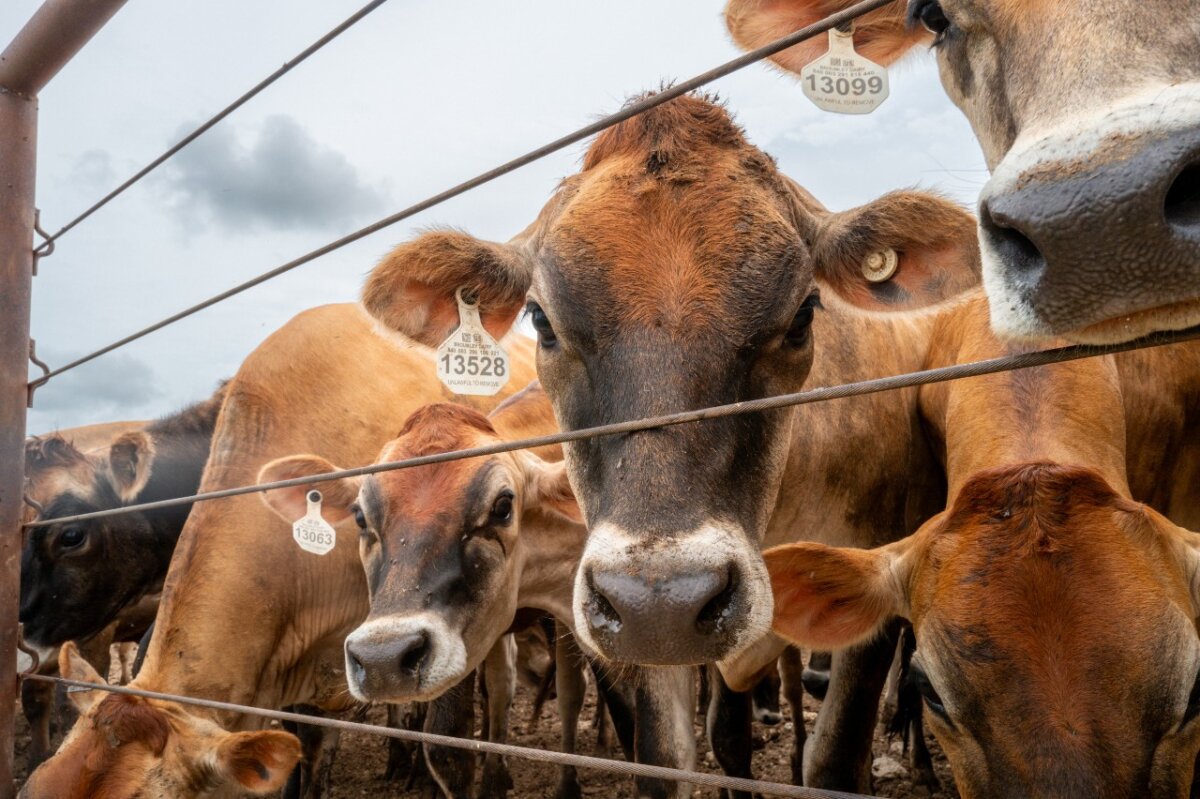
Recently, I was talking with a neighbor who has tripled the size of his herd since 2021.
A few years ago, calf prices were about 91 cents per pound. The conventional wisdom was to sell. Most people did.
He couldn’t bring himself to do it.
So he retained the heifers.
Through COVID-19.
Through drought.
Through years when holding back females meant giving up the income many ranchers desperately needed.
He and his wife worked other jobs to pay the bills. While many ranchers were shrinking, they were growing. They turned calves into cows.
Today, he is looking for additional grazing land because he has outgrown the acreage he started with.
When I complimented him on what looks, in hindsight, like an incredibly savvy decision, he laughed.
“I’m not the cow person,” he told me. “My wife is. I’m just the labor.”
He insists there was no grand strategy. No sophisticated market analysis. No prediction that cattle prices would eventually reach historic highs.
They simply kept building.
Today, the decision that looked irrational to many of their neighbors looks brilliant.
He laughs about it now, not with arrogance, but with the quiet pride of someone who endured years of sacrifice before anyone could see the payoff.
And maybe that is the part of the story that interests me most.
The future is rarely built by people who know exactly what will happen.
More often, it is built by people who keep investing anyway.
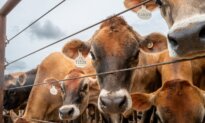
Every agricultural publication seems to be talking about cattle prices. Three-day-old dairy beef calves are bringing prices that would have seemed impossible a few years ago. Sale barns are full. Buyers are aggressive. Cattle prices are at or near historic highs.
But I find myself asking a different question.
If everyone is selling, who is keeping?
What I see around me are ranchers facing rising costs, rising taxes, labor shortages, drought concerns, and enormous incentives to sell. I see record prices encouraging liquidation rather than expansion. I see heifers bringing enough money that retaining them feels almost irresponsible.
And yet we sit near the lowest cattle numbers in generations.
What makes this cattle cycle different is that historically, high prices encouraged expansion.
When cattle prices rose, ranchers retained heifers. They sacrificed income in the present because they believed they would be rewarded in the future.
That is how herds grew.
That is how cattle numbers recovered after droughts and downturns.
Yet today, despite record prices, many ranchers are still selling females.
I understand why.
The cost of land is high. Taxes are high. Labor is expensive. Debt is expensive. Uncertainty seems to be everywhere.
Taking the check today often feels safer than betting on tomorrow.
But if we are not retaining females when prices are this good, when will we?
If record cattle prices are not enough to convince us to build for the future, what will be?
Which leads me back to the question: Who is building the future herd?
At Sovereignty Ranch, we have slowly grown our herd by retaining females. We rarely sell them. We rarely purchase cows. Aside from bringing in new bulls, most of our growth has come from within.
Sometimes that strategy looks smart. Sometimes it looks foolish.
Sometimes it means keeping a heifer that never should have been retained. Sometimes it means discovering a cow family that thrives in our environment, even though everyone else would have sold them years earlier.
As I thought about my neighbor’s story, I realized this is not really a cattle article.
It is a future article.
A retained heifer is a vote of confidence in tomorrow. So is planting an orchard, building a business, purchasing land, or having a child.
All of these decisions require the same thing—a belief that the future will be worth investing in.
Yet everywhere I look, I see signs of uncertainty.
Birth rates continue to fall. Young people delay marriage and children. Investors are holding enormous amounts of cash. Central banks are accumulating gold. People seem increasingly interested in preserving what they have rather than building what comes next.
A cow occupies an interesting place in this conversation.
She is not cash in a bank account. She is not a stock certificate. She is not a Treasury bond.
A cow is a productive asset. She represents a belief that grass will grow, calves will be born, and tomorrow will arrive.
Recently, I toured a neighboring ranch with a family that has been on the land for generations. As we drove across the property, he pointed out projects completed by his father, his grandfather, and his great-grandfather. Water systems. Pastures. Improvements built long before he was born that still serve the ranch today.
Then he took me to the family cemetery.
There, among the headstones, he told me the story of his ancestors immigrating from Denmark, settling the land, enduring hardship, and making sacrifices that must have seemed impossible at the time.
As I listened, I realized I was looking at the physical evidence of generations of people choosing to build for a future they would never fully see.
The pasture we stood in was not built in a year.
The ranch was not built in a generation.
Each generation inherited something and added something before passing it forward.
As I looked across the property, I found myself thinking about the wealth they created.
Not wealth measured in a quarterly earnings report.
Generational wealth.
Land.
Water.
Grass.
Cows.
Assets built through decades of patience, stewardship, and sacrifice.
Those Danish immigrants could not have known what the future would bring. My neighbor could not have known cattle prices would recover. Families who choose to have children cannot know what the world will look like 20 years from now.
None of us does.
That is why faith matters.
Faith is not certainty. Faith is acting without certainty.
It is planting an orchard whose shade you may never sit under. It is retaining a heifer that may not produce her first calf for years. It is building a business, buying a piece of land, having a child, or investing in a community without any guarantee of success.
Every meaningful investment in the future requires faith because the future itself cannot be seen.
Today, I understand why so many people hesitate. There is uncertainty everywhere.
And yet I continue to retain heifers.
I continue to build a herd.
I had children.
I am building a life and a legacy on a piece of land.
Not because I know what the future holds, but because I believe the future is still worth building.
My faith tells me that I do not need to see the entire path ahead. I only need to take the next step faithfully. The rest is not mine to control.
God has never asked me to know the future. He has only asked me to be faithful in the present.
If we are not willing to build when the future is uncertain, then nothing important will ever be built.
Fortunately, some people still have enough faith to plant orchards, have children, retain heifers, and build anyway.
Views expressed in this article are the opinions of the author and do not necessarily reflect the views of The Epoch Times.
 Friends Read Free
Copy
Facebook
Tweet
Friends Read Free
Copy
Facebook
Tweet