
Commentary
In U.S.–China relations and trade negotiations, the Trump administration appears to be taking the lead.
On Sept. 19, U.S. President Donald Trump and Chinese Communist Party (CCP) leader Xi Jinping spoke for nearly two hours, after which Trump announced a TikTok deal. Two days later, a White House official said that ByteDance would retain less than a 20 percent stake and one board seat in the TikTok U.S. joint venture, while six seats would go to Americans. The United States will also control the app’s code and algorithm.
U.S. cloud company Oracle and private equity firm Silver Lake are among the investors. Trump said on Sept. 22 that media mogul Rupert Murdoch and his son, Lachlan Murdoch, could also be part of the proposed U.S. deal. Later, the White House announced that Trump would sign an executive order approving the new TikTok deal on Sept. 25.
Beijing Forced to Concede
The deal primarily resulted from Beijing’s concessions during U.S.–China trade talks in Madrid on Sept. 15, as reflected in its official statements.
Li Chenggang, China’s international trade representative with the Ministry of Commerce, said at a press briefing on the day after the trade talks: “The reason why China agreed to reach the relevant consensus with the United States is because, after careful evaluation, we judged that this consensus serves the interests of both sides.”
This implies at least two things.
First, China cannot do without U.S. technology and markets. In the face of the U.S.–China trade war 2.0, the Chinese regime lacks the strength to fight.
Second, the Trump administration is serious and not easily fooled. Beijing cannot risk provoking it and must make significant concessions.
What the White House Has Prepared for the Negotiations
The Trump administration was well-prepared for the Madrid talks.
The U.S. Commerce Department’s Bureau of Industry and Security (BIS) recently announced a revision to the Export Administration Regulations (EAR), adding 32 entities to the restricted Entity List, 23 of them from China (including 13 companies related to semiconductors and integrated circuits). BIS stated that for entities placed on the list, all items under the EAR would require a license, and such permits would carry a “presumption of denial.”
Some companies, such as Shanghai Fudan Microelectronics and Sino IC Technology, were also marked with “footnote 4,” which means that items related to supercomputing and artificial intelligence (AI) technology were also restricted. BIS specifically highlighted Shanghai Fudan Microelectronics, which “has supplied technology to Russian military end users.” In other words, these semiconductor companies can no longer access overseas supply chains.
This is not the first time China has encountered such heavy-handed tactics from the United States.
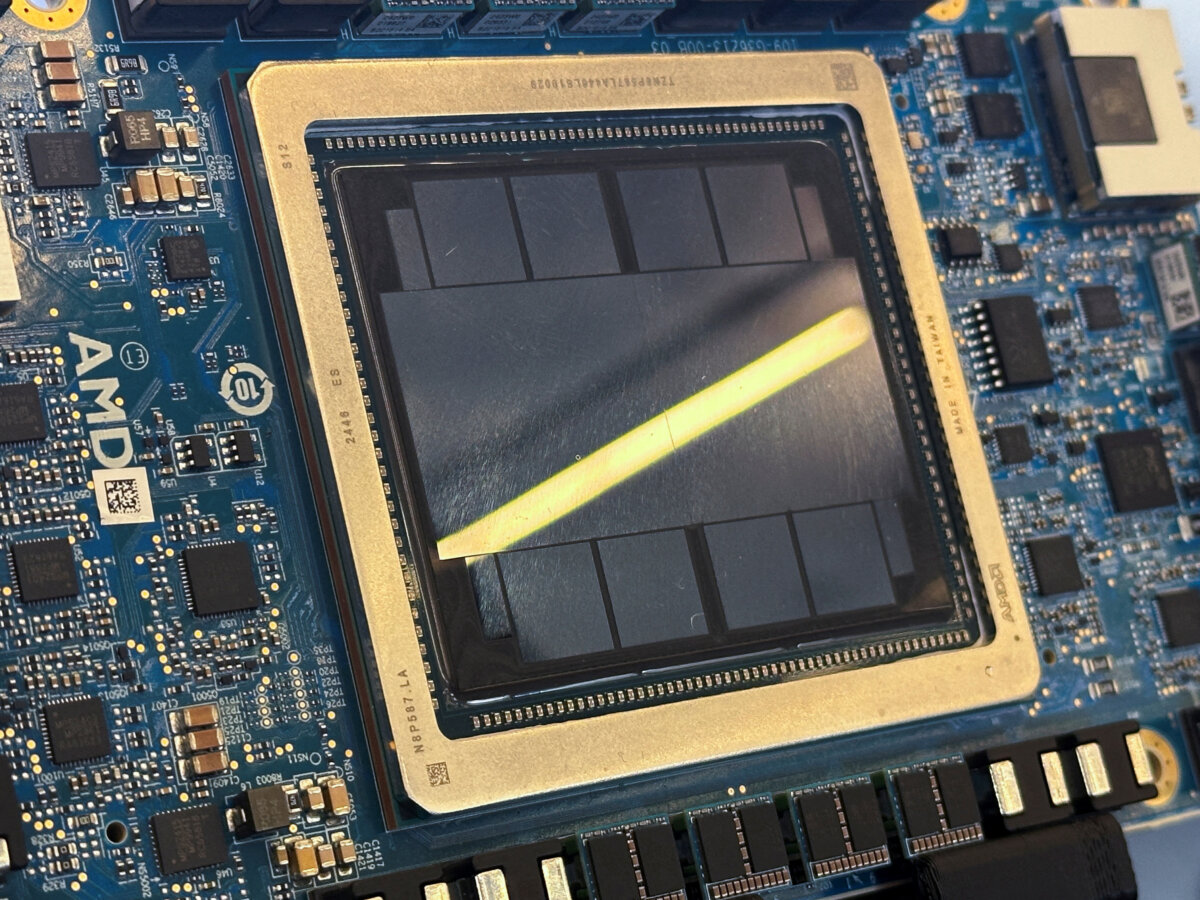
The United States expanded its semiconductor technology export controls against China during Trump’s first term. The Biden administration later followed Trump’s approach, adding more Chinese entities to the export control list, tightening restrictions on advanced chips and semiconductor manufacturing equipment, and reaching agreements with Japan and the Netherlands to align export controls.
Meanwhile, the U.S. Treasury Department has been updating its Specially Designated Nationals Blocked Persons List (SDN) sanctions list. A growing number of China-based entities and individuals have been added to the list.
The SDN List is maintained by the Treasury Department’s Office of Foreign Assets Control. It includes individuals, groups, and entities such as terrorists, narcotics traffickers, and others whose assets are blocked and with whom U.S. persons are generally prohibited from doing business. The list is a key tool in enforcing U.S. economic and trade sanctions.
Clearly, the CCP is one of Washington’s main targets.
During Trump’s second term, the strategy for chip export controls against China has been both tightened in some areas and loosened in others.
On March 25, the BIS added more than 80 entities, including more than 50 Chinese ones, to its Entity List. In April, the Department of Commerce blocked Nvidia’s export of its H20 chip to China on national security grounds. Starting in May, the department began requiring licenses for exporting EDA software to China.
However, the administration reversed course, permitting Nvidia and AMD to resume AI chip sales to China, provided they pay the U.S. government 15 percent of the revenues.
This strategy fits perfectly with Sun Tzu’s “Art of War”: “When you surround the enemy, surround them on three sides and leave one side open. Never press a desperate foe too hard. That’s the proper way of waging war.”
Since the U.S.–China trade war 2.0 began, Beijing has found itself in a position where it cannot effectively retaliate, leaving it exhausted and scrambling for solutions. During the post-talk press conference in Madrid, Li said Beijing had noted that despite a series of economic and trade consultations, Washington continued to impose sanctions against Chinese entities and that Beijing had “raised serious concerns” with the United States during these discussions.
However, much of this is largely performative—an attempt by the CCP to save face and gain leverage. Ultimately, Beijing will have to concede and reach an agreement regarding TikTok.
Views expressed in this article are the opinions of the author and do not necessarily reflect the views of The Epoch Times.
 Friends Read Free
Copy
Facebook
Tweet
Friends Read Free
Copy
Facebook
Tweet