
Commentary
In an era defined by great power competition, gray zone conflicts, and the erosion of the rules-based international order, NATO is actively broadening its strategic outlook beyond the Euro-Atlantic. Among its most significant emerging partners is the Republic of Korea. While not a member of NATO, South Korea plays an increasingly vital role in advancing NATO’s security interests—both through direct cooperation and as a stabilizing force in the Indo-Pacific. Its growing engagement reflects the recognition that global security challenges are no longer confined by geography and that like-minded democratic partners are essential in defending shared values and deterring common threats.
South Korea’s presence at recent NATO summits and the establishment of its dedicated mission to NATO headquarters in Brussels demonstrate its strategic alignment with the alliance. This partnership is not symbolic—it is substantive. South Korea contributes to NATO’s strategic situational awareness regarding North Korea’s evolving nuclear threats, China’s assertive regional behavior, and the convergence of authoritarian powers. Its perspectives and intelligence help NATO better understand security dynamics in East Asia, a region that is increasingly affecting transatlantic security. Moreover, South Korea’s commitment to the rules-based order resonates with NATO’s fundamental principles, reinforcing the idea that security is indivisible across regions.
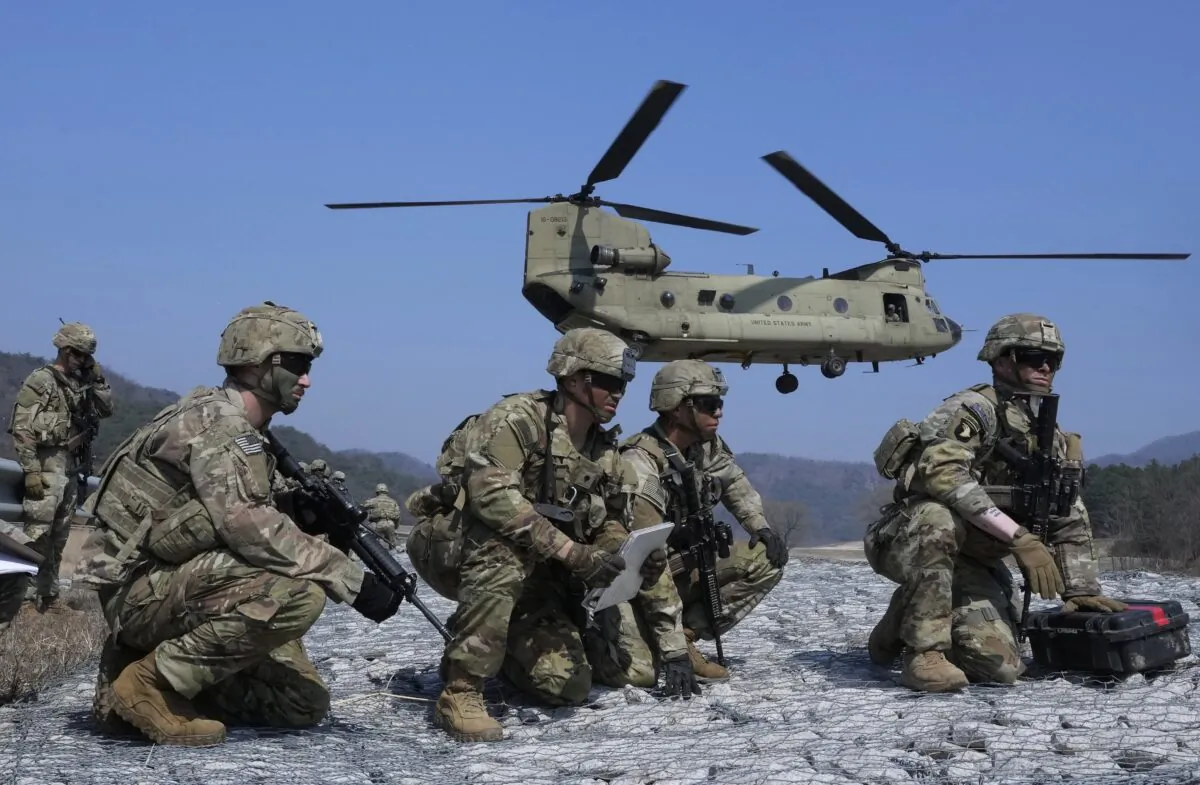
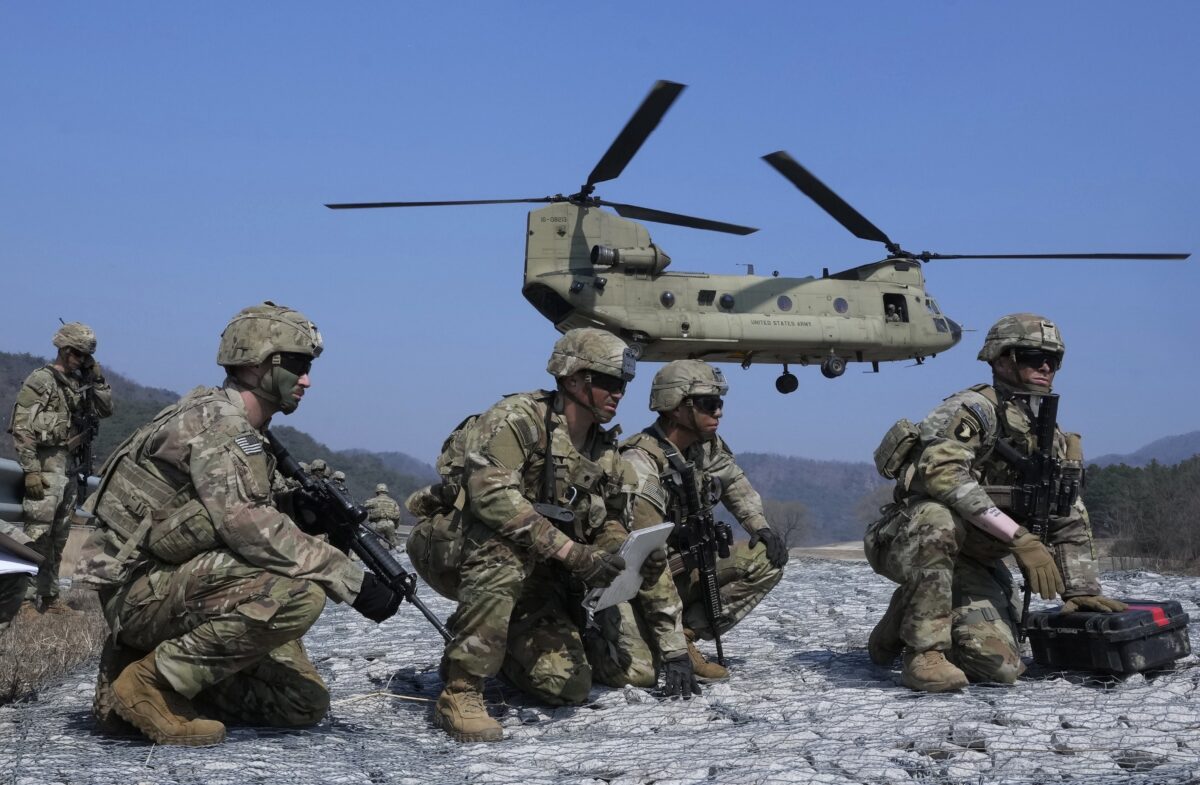
South Korea’s military is one of the most advanced and experienced in Asia. Its interoperability with NATO member forces, particularly the United States and European partners such as the UK and the Netherlands, has been demonstrated through joint naval exercises, air defense drills, and peacekeeping missions. This experience is crucial for enhancing NATO’s operational flexibility and preparedness. South Korea’s military also offers valuable lessons in countering asymmetric threats, such as ballistic missile defense, cyberwarfare, and anti-submarine operations—capabilities that directly support NATO’s efforts to modernize its force posture in a contested global environment.
Beyond the military domain, South Korea’s rapidly growing defense industry is playing a transformative role in NATO’s supply chain diversification. South Korean systems, including K2 main battle tanks, K9 self-propelled howitzers, and FA-50 light combat aircraft, have been selected or considered by multiple NATO members, including Poland, Norway, the UK, and Romania. These partnerships go beyond procurement; they involve joint production, training, and sustainment, creating a deeper level of strategic integration. As NATO seeks to enhance its readiness and resilience, access to South Korean platforms and technologies helps reduce reliance on a small set of traditional suppliers and supports operational adaptability.
Technological cooperation is another key pillar of South Korea’s value to NATO. As threats increasingly emerge in the digital world and cyber domain, South Korea’s strengths in information technology, artificial intelligence, and cybersecurity are highly complementary to NATO’s own innovation agenda. Seoul’s participation in NATO’s Cooperative Cyber Defence Centre of Excellence, for example, enhances joint capabilities in cyber forensics, critical infrastructure protection, and secure communications. These contributions are essential as NATO confronts new forms of hybrid warfare and disinformation campaigns. South Korea’s civil-military fusion in advanced technologies can also inform NATO’s strategy for emerging and disruptive technologies.
Strategically, South Korea’s location offers NATO indirect access to the Indo-Pacific, a region central to future geopolitical stability. The Korean Peninsula remains one of the world’s most volatile flashpoints, with North Korea’s nuclear program posing a persistent threat. South Korea’s credible deterrence posture and strategic foresight help stabilize the region, limiting the scope for escalation that could entangle NATO indirectly. At the same time, South Korea’s ability to project maritime power, maintain regional partnerships, and participate in multinational security frameworks aligns with NATO’s efforts to ensure a free and open Indo-Pacific.
The political alignment between South Korea and NATO is equally important. South Korea’s liberal democratic system, respect for international norms, and support for Ukraine in the wake of Russia’s invasion all reinforce its credibility as a trustworthy partner. In a time of growing systemic rivalry between democracies and authoritarian states, this values-based alignment provides a foundation for long-term cooperation. South Korea is not merely a regional player; it is an actor with global responsibilities and a willingness to invest in collective security.
Nonetheless, challenges remain. South Korea’s ability to contribute directly to NATO’s missions is limited by constitutional and political constraints, particularly regarding overseas troop deployments. Strategic sensitivities—especially in balancing relations with China—can also affect the tempo and scope of cooperation. Moreover, as NATO deepens ties with other Indo-Pacific partners such as Japan and Australia, ensuring inclusive and coordinated engagement with South Korea will be essential to avoid redundancy and build a cohesive strategic network. A fragmented approach would dilute the effectiveness of partnerships and undercut potential synergies.
Despite these challenges, South Korea’s contributions to NATO are substantial and growing. As the international security environment becomes more complex and interconnected, NATO must look beyond its traditional perimeter. South Korea offers military credibility, industrial capability, technological innovation, and political reliability. These assets make it not only a valuable partner, but also an enabler of NATO’s future relevance. For NATO to remain a credible force in an era of multidomain threats, its partnerships with countries such as South Korea must be deepened, institutionalized, and strategically integrated. The time to recognize and act on this potential is now.
From RealClearWire
Views expressed in this article are the opinions of the author and do not necessarily reflect the views of The Epoch Times.
 Friends Read Free
Copy
Facebook
Tweet
Friends Read Free
Copy
Facebook
Tweet