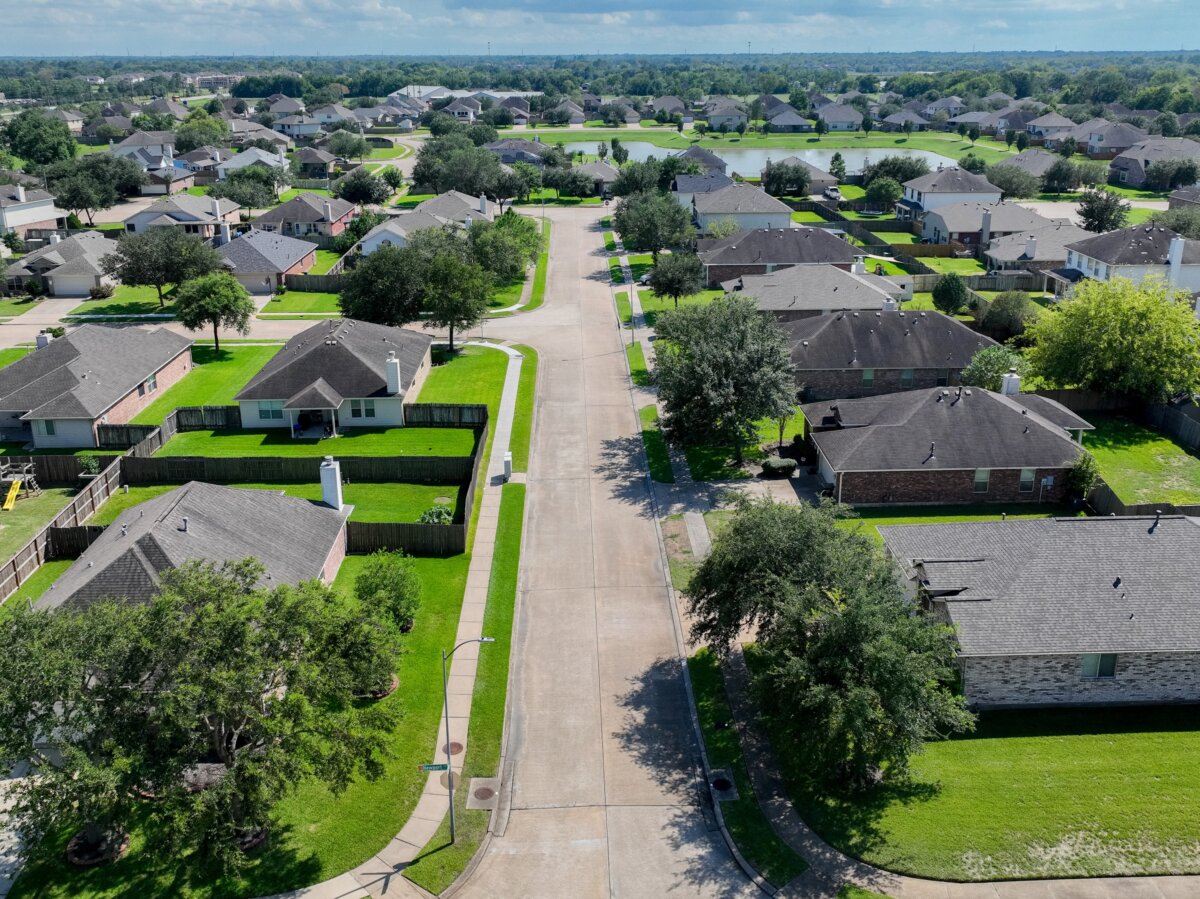

The U.S. housing market tilted further in buyers’ favor in September, as falling demand and a growing supply of homes pushed the gap between sellers and buyers to its widest in Redfin records dating to 2013.
An estimated 1.51 million sellers outnumbered 928,892 buyers by 62.6 percent, up from a revised 56.9 percent gap in August, the real estate brokerage said in an Oct. 14 report.
The number of buyers fell 2.4 percent from August, marking its fifth consecutive monthly decline and a record low.
The number of sellers, meanwhile, rose 1.2 percent, to its highest level since March 2020.
Redfin said unsold homes were accumulating while new listings continued to arrive. Some homeowners have stopped waiting for better market conditions, while others need to move because of job changes, retirement, or family circumstances.
“This is a buyer’s market born out of caution, not strength,” said Asad Khan, a senior economist at Redfin.
Khan said high housing costs and economic uncertainty have discouraged many prospective buyers, leaving those who can afford to purchase with more choices and greater negotiating power.
Sun Belt Leads Buyers’ Markets
Redfin classified 41 of the 50 major metropolitan areas it analyzed as buyers’ markets in September, the most in its records. It defines a buyer’s market as one where sellers outnumber buyers by more than 10 percent.
Miami had the largest seller surplus, at 158.9 percent, followed by Nashville at 152.3 percent, Houston at 134.6 percent, Austin at 130.9 percent, and Las Vegas at 125.5 percent.
All 13 markets where sellers outnumbered buyers by more than two to one were in the Sun Belt, where continued homebuilding added to buyers’ options even as demand weakened.
In Florida, rising insurance costs and homeowners association fees have also strained affordability, according to Redfin.
Only five metros favored sellers: Nassau County, New York; Montgomery County, Pennsylvania; Newark, New Jersey; Milwaukee, Wisconsin; and San Francisco.
There were also four balanced markets: Boston; Chicago; Providence, Rhode Island; and New Brunswick, New Jersey.
Limited construction has kept supply tight in several sellers’ markets, while wealth generated by the artificial intelligence boom has fueled competition among buyers in San Francisco, Redfin said.
Affordability Still Weighs on Demand
A wider selection of homes has not necessarily made buying affordable.
Borrowing has become substantially more expensive. The average rate on a 30-year fixed mortgage started at around 6.7 percent in September and climbed past 7 percent by Sept. 24, according to Freddie Mac.
As of Oct. 14, the average rate on a 30-year fixed mortgage stood at 7.29 percent.
That was the highest since November 2023, as inflation concerns fueled by the war with Iran and higher energy prices pushed Treasury yields higher. Mortgage rates generally track the yield on the 10-year Treasury.
Meanwhile, the median existing-home sale price rose 1.3 percent from a year earlier to $393,895, according to a separate report by Redfin. That was the smallest annual increase since February.
For buyers who stayed in the market, there were signs of flexibility on pricing. In September 2026, 20.8 percent of active U.S. home listings featured a price reduction, according to Realtor.com.
 Friends Read Free
Copy
Facebook
Tweet