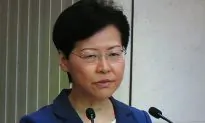
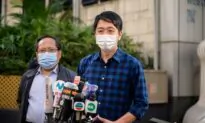
In an interview with Hong Kong broadcaster TVB, Lam denied she was “selling out” Hong Kong with the extraditionbill but conceded the measure would continue to attract criticism.
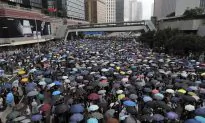
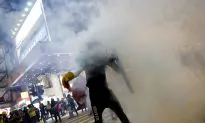
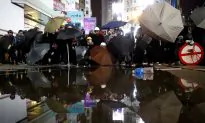
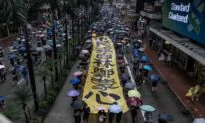
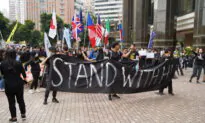
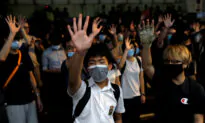
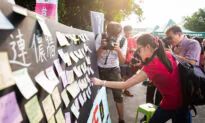
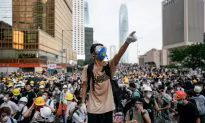
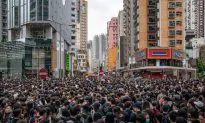
Protests against a proposed bill allowing people to be extradited to stand trial in mainland China have grown increasingly violent since June, with police accused of excessive force and failing to protect protesters from suspected gang attacks.
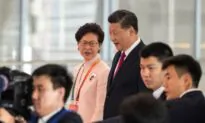
This is the first time Xi has met with Lam since Hongkongers began the city’s largest-ever protest movement, sparked by opposition to an extraditionbill that would allow mainland China to transfer individuals from Hong Kong and stand trial in Communist
The unrest began in mid-June, fueled by anger over a now-suspended extraditionbill that would have allowed people in the city to be sent to mainland China for trial in courts controlled by the Chinese Communist Party (CCP) notorious for the absence of
The bill, which would allow people to be extradited to mainland China for trial, has drawn widespread opposition. Many Hong Kong residents view it is the latest step in a relentless march toward mainland control.
(Samira Bouaou/The Epoch Times)
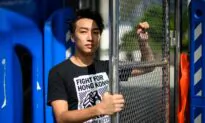
While her father has been telling her about the regime’s “evils” since she was young, it was only last year, when millions in Hong Kong protested over a now-axed extraditionbill, that she fully realized the extent of
Unrest escalated in June over a now-suspended extraditionbill that would have allowed people to be sent to mainland China for trial in the rule-by-law Communist Party-controlled courts.
Since June, mass demonstrations have erupted on Hong Kong streets over fears that a now-withdrawn extraditionbill could lead the Chinese regime to further its influence in the city.
Large-scale pro-democracy and anti-CCP protests erupted in June last year in Hong Kong over a since-scrapped extraditionbill, after locals feared the bill would threaten the city’s judicial autonomy.
Hongkongers have staged mass protests since June in opposition to a now-withdrawn extraditionbill that would allow the Chinese regime to seek extradition of individuals to be trialed in mainland China, where there is no rule of law.
The protests, which at times drew crowds in the millions, were initially triggered by a now-abandoned extraditionbill that would allow the transfer to China of people wanted by Beijing.
Both from the economy and from their protests against the extraditionbill over the past year, Hong Kong residents have shown very good manners, and the manners they have shown has been seen and admired by the world.”
Another threat to the mainland Chinese economy is the Hong Kong protests, which initially began in opposition to an extraditionbill that would have allowed the Chinese regime to transfer individuals to face trial in mainland China.
The protests began in opposition to an extraditionbill that many saw as an example of China's creeping interference in Hong Kong, which returned to Chinese rule in 1997 under a "one country, two systems" formula intended to guarantee freedoms that are
In Hong Kong, protests are now in the 11th week, as Hongkongers continue to demand that the city government withdraw its suspended extraditionbill, which they fear threatens the city’s judicial independence, since anyone in Hong Kong could be transferred
In a raucous press conference in the morning on Aug. 13, Hong Kong leader Carrie Lam was criticized by a reporter for evading a question about the withdrawal of the now-suspended extraditionbill.
Mass protests ignited in June over an extraditionbill that would allow the Chinese regime to transfer individuals for trial in Communist Party-controlled courts.
CHRF has stood by pro-democracy protesters in their five demands: that the government establish an independent commission to investigate police use of force during recent demonstrations; withdraw a controversial extraditionbill (which the government
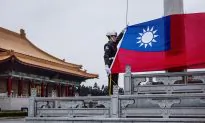
The Nationalist Party, or Kuomintang (KMT), issued a statement on July 2 expressing support for Hongkongers protesting an extraditionbill that would allow people to be extradited to the mainland for trial.
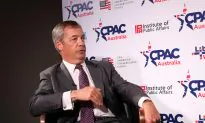
Farage was referring to ongoing protests in Hong Kong over a proposed extraditionbill, which, if passed, could see people being handed over to mainland China to face trial in its opaque legal system.
After initially expressing opposition to a now-shelved extraditionbill that would allow the Chinese regime to transfer individuals to face trial in Communist Party-controlled courts, protesters have since called for universal suffrage in city elections
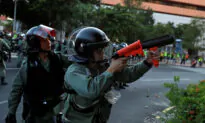
Police officers point their guns towards anti-extraditionbill protesters and some reporters after a clash in Tsuen Wan in Hong Kong, on Aug. 25, 2019. (Billy H.C.
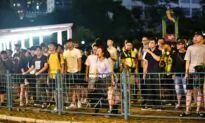
An anti-extraditionbill protester is detained by riot police during skirmishes between the police and protesters outside Mong Kok police station, in Hong Kong, on Sept. 2, 2019.
The cyber attacks coincided with large-scale protests in Hong Kong against a proposed extraditionbill that would allow individuals to be transferred to mainland China for trial.
Hong Kong has been embroiled in mass protests since June as Hongkongers express their disapproval of an extraditionbill that would allow any country, including mainland China, to seek extradition of criminal suspects.
She said it was a key reason why many Hongkongers feel the controversial extraditionbill that sparked the current protest movement represented “the last firewall” between China and Hong Kong.
In July 2019, Wang circumvented the censorship again and read the news about Hongkongers protesting against a controversial extraditionbill that the regime planned to launch.