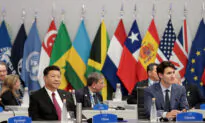
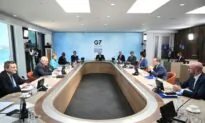
On March 22, in response to the human rights abuses against Uyghurs in Xinjiang, the EU initiated sanctions for the first time since the 1989 TiananmenSquareMassacre, followed by Britain, Canada, and the United States.
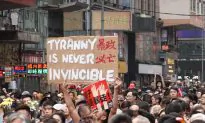
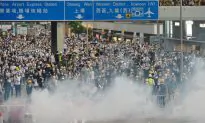
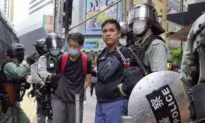
The protests have been likened to the student democracy movement that led to the TiananmenSquaremassacre in 1987.
Epoch Times staff contributed to this report.
In fact, the Chinese regime recently launched perhaps its strongest censorship campaign ever, right around the 30th anniversary of the TiananmenSquaremassacre," Rychlak wrote.
The 1989 TiananmenSquaremassacre, however, showed that although the country was undergoing economic reforms, there were limits to how far the Communist Party was willing to bend.
Morrison dismissed suggestions that the timing was contentious given the anniversary of the TiananmenSquaremassacre was on June 4, saying such observations "could be subject to a bit of overanalysis."
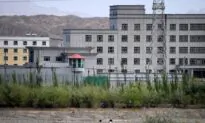
Because we have this regime, not only we have the virus, we had the TiananmenSquaremassacre, we have forced labor in concentration camps, where millions of Uyghurs are forced to gather there.
Kovalio says this legacy continued through the different Liberal governments, including that of Jean Chrétien—who reinvigorated ties with Beijing after the world had shunned it for its bloody TiananmenSquaremassacre—and the current Prime Minister Justin
Days before the 29th anniversary of the 1989 TiananmenSquaremassacre, Chinese authorities again took measures to make dissidents disappear from the public eye.
Despite the massacre at TiananmenSquare, the United States did everything it could to preserve the U.S.–China relationship and help China progress in its economic development. Former U.S. President George H.W.
A Chinese man stands alone to block a line of tanks heading east on Beijing’s Cangan Blvd. on June 5, 1989, in TiananmenSquare, during the 1989 TiananmenSquareMassacre.
Today, the TiananmenSquareMassacre remains a taboo topic in China under the CCP's rule. The regime has never acknowledged the student's concerns and still refuses to release data on the resulting casualties.
But after the TiananmenSquareMassacre in June 1989, the China Institute adopted a different political tone, enjoyed an ample supply of funding, and became an organization that promoted the Chinese regime’s agenda in the United States.
According to other Hong Kong media and pro-democracy lawmaker Claudia Mo, Lai’s arrest also had to do with his alleged intimidation of a reporter during a June 4 TiananmenSquaremassacre anniversary event in 2017.
(William West/AFP via Getty Images)
These institutes forbid discussion on sensitive topics such as democracy, China's military rise, issues in Tibet, Falun Gong, Uyghur Muslims, Taiwan, the TiananmenSquaremassacre in 1989, and the Hong Kong National
Netizens also posted pictures highlighting the June 4 TiananmenSquaremassacre and of the 2019 Hong Kong Protests in response to Hua, asking: “Can the Chinese people breathe? Can Hong Kong people breathe?”
After the 1989 TiananmenSquaremassacre, Chrétien was one of the first world leaders to bring China out of isolation, rebooting relations with Beijing after the West had shunned the regime for its killing of unarmed protesters.
Spain was the first EU country to make friendly gestures toward the CCP after the TiananmenSquaremassacre on June 4, 1989.
Italy is the hardest-hit area in Europe.
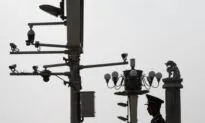
Some China experts say the communist nation looms closer to becoming a full surveillance state and teeters near a repeat of the TiananmenSquareMassacre in Hong Kong.
The Chinese Communist Party (CCP) has, since gaining power in 1949, instigated regular crackdowns whenever a perceived threat emerges, these crackdowns include the TiananmenSquaremassacre in 1989 and the persecution of the Falun Gong meditation movement
. #198964," referencing the event known as the TiananmenSquareMassacre of June 4, 1989, during which China's communist regime ordered troops to open fire on hundreds of thousands of pro-democracy demonstrators in Beijing.
For example, on March 22, the EU, in a coordinated move with the United States, imposed sanctions on the CCP for the first time since the 1989 TiananmenSquareMassacre for massive human rights violations in Xinjiang.
Censorship
“Censorship reached unprecedented extremes in China as the government enhanced its information controls ahead of the 30th anniversary of the TiananmenSquareMassacre and in the face of persistent anti-government protests in Hong Kong,” according