Reproduced from Bitter Winter: A magazine on religious liberty and human rights in China

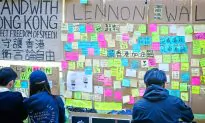
As the main driving force of the Hong Kong anti-extraditionbill protests, the young have been praised for their passion for preserving human rights and liberties
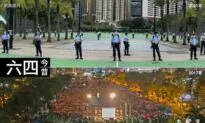
After the Anti-Extradition Law Amendment Bill Movement in 2019, known as the 2019 Hong Kong protests, the police issued a “Notice of Objection” to the HKASPDMC’s application to organize the 2020 June 4 memorial.

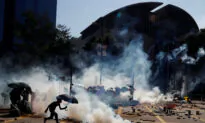
Mass protests began in June in direct response to an unpopular extraditionbill that would have allowed the Chinese regime to seek transfer of criminal suspects.

Samuel Phillip Bickett, an American lawyer who was accused of "assaulting a police officer" during the anti-extradition law amendment bill movement in Hong Kong in 2019 and sentenced to four and a half months in prison, testified at the hearing on Hong
On June 9, 2019, the Hong Kong Civil Human Rights Front organized a large demonstration against the proposed bill, which is generally regarded as the beginning of the "anti-extradition" protest.
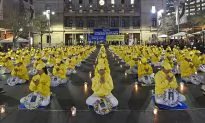
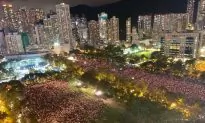
During the somber occasion, many of the speakers also voiced support for Hong Kong’s recent rallies against an extraditionbill that could allow the CCP impinge on their freedoms and criticized the CCP’s atrocities against the majority-Muslim Uyghur ethnic
Extradition Hearing
Georgia Appeals Court Removes DA Fani Willis From Trump Case
Supreme Court to Hear Arguments in TikTok Case
Key Takeaways From Fed’s Last Meeting of the Year
House Democrats' Leader Provides Update on Funding Bill
Judge Orders
Since mass protests began in June over a now-withdrawn extraditionbill that many Hongkongers feared would be the final straw in Beijing’s encroachment over the city’s affairs, protesters have used encrypted messaging app Telegram to plan demonstrations
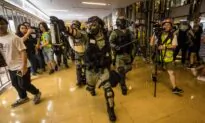
In 2019, a series of demonstrations in Hong Kong, known as the Anti-extradition Law Amendment Bill Movement (the 2019-2020 Hong Kong protests) broke out in Hong Kong. Many protesters were arrested, charged, and subsequently sentenced.
The Independent Police Complaints Council (IPCC), in its review of the Hong Kong police's handling of the "Anti-Extradition Law Amendment Bill Movement," also characterized the 7.21 incident as a "mutual brawl" rather than a "unilateral indiscriminate
FAZ pointed out that it’s a tactic of the CCP to cool down the situation to prepare for the Oct. 1 CCP anniversary, and that Beijing may reintroduce the extraditionbill any time.
Children Being Abused in Prisons
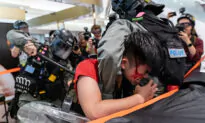
After the anti-extradition law bill movement started, police officers were seen beating up children. The senior citizens would persuade the police officers to stop beating the youngsters.
Since June 2019, all eyes world over have been focusing on Hong Kong after protests erupted to scrap an extraditionbill. Over the last six months, the violence has only intensified. However, on Nov. 27, U.S.
Millions of people in Hong Kong have taken to the streets since early June in protest against a now-suspended extraditionbill that was first proposed by the Hong Kong government in February.
The demonstrations in Hong Kong began in June against an extraditionbill that would enable authorities to send those wanted by Beijing to the mainland.
After months of protests that began with demonstrations against an extraditionbill that would allow the Chinese regime to transfer individuals from Hong Kong to stand trial in Communist Party-controlled courts, the message from the people of Hong Kong
Chiu believed that the 2019 Anti-Extradition Movement, caused by the Extradition Law Amendment Bill, was a continuance of the Hongkongers’ freedom campaign against introducing national education in 2012, and the Occupy Central campaign in 2014 was for
Chang: Carrie Lam, who's the Hong Kong chief executive, has pushed forward an extraditionbill, and this bill would expand the number of jurisdictions to which Hong Kong can extradite people to.
Following over a year of protests in Hong Kong against the introduction of a bill that would allow extradition to mainland China, Beijing’s rubber-stamp legislature implemented its national security law in the city on June 30, 2020, targeting so-called
Following over a year of protests in Hong Kong against the introduction of a bill that would allow extradition to mainland China, Beijing's rubber-stamp legislature imposed the national security law in Hong Kong on June 30, 2020, targeting so-called session
“We must do everything we can to stop the extraditionbill.”
The CCP is Like a Cancer Patient
Three other mainland Chinese participants came to Hong Kong together to join the vigil.
One of them is a journalist from Jiangsu Province.
Push
Trump Requiring Colleges to Disclose Foreign Funds
US Seeks Extradition: 2 Agents Working on CCP's Behalf
Japan, Philippines Prepare to Boost Defense Alliance
Jekielek: How is this law related to the extraditionbill that brought 2-million-odd people out into the streets last year?
Ms. Lau: That's a good question.
At a closed-door meeting, Hong Kong's Chief Executive Carrie Lam expresses deep regrets about her push to pass the extraditionbill, according to an audio recording reviewed by @Reuters.
The police siege on the Hong Kong college campus in November 2019, which lasted for about two weeks, was one of the most violent episodes during the anti-extraditionbill movement that started in June last year.
Yellow Versus Blue
A growing number of Hongkongers in the current protest movement—ignited over a now-withdrawn extraditionbill that many saw as an impending threat by the Chinese regime to the city’s autonomy—see the dominance of Chinese capital and
Yet now, millions of Hong Kongers have flooded the streets over the past few weeks to protest an extraditionbill that would allow the Chinese regime to wantonly extradite Hong Kongers—including dissidents and activists—and sentence them in a Chinese