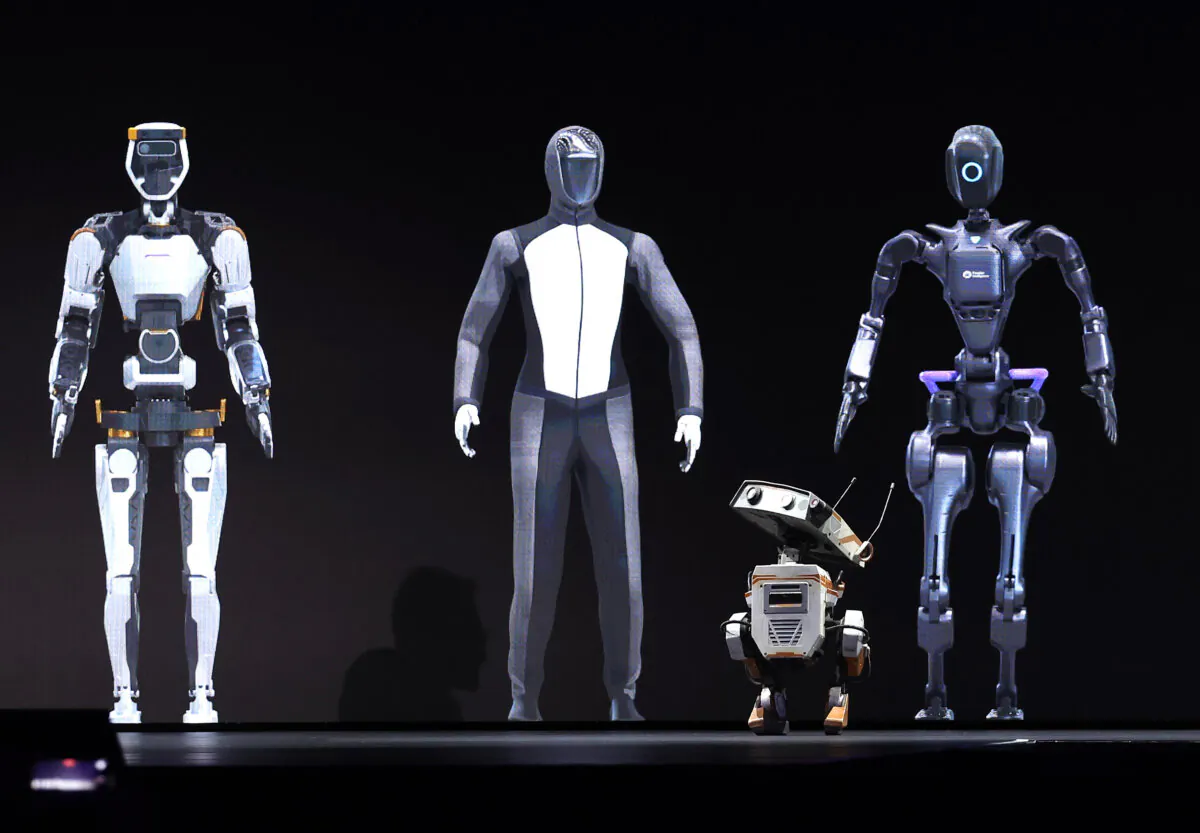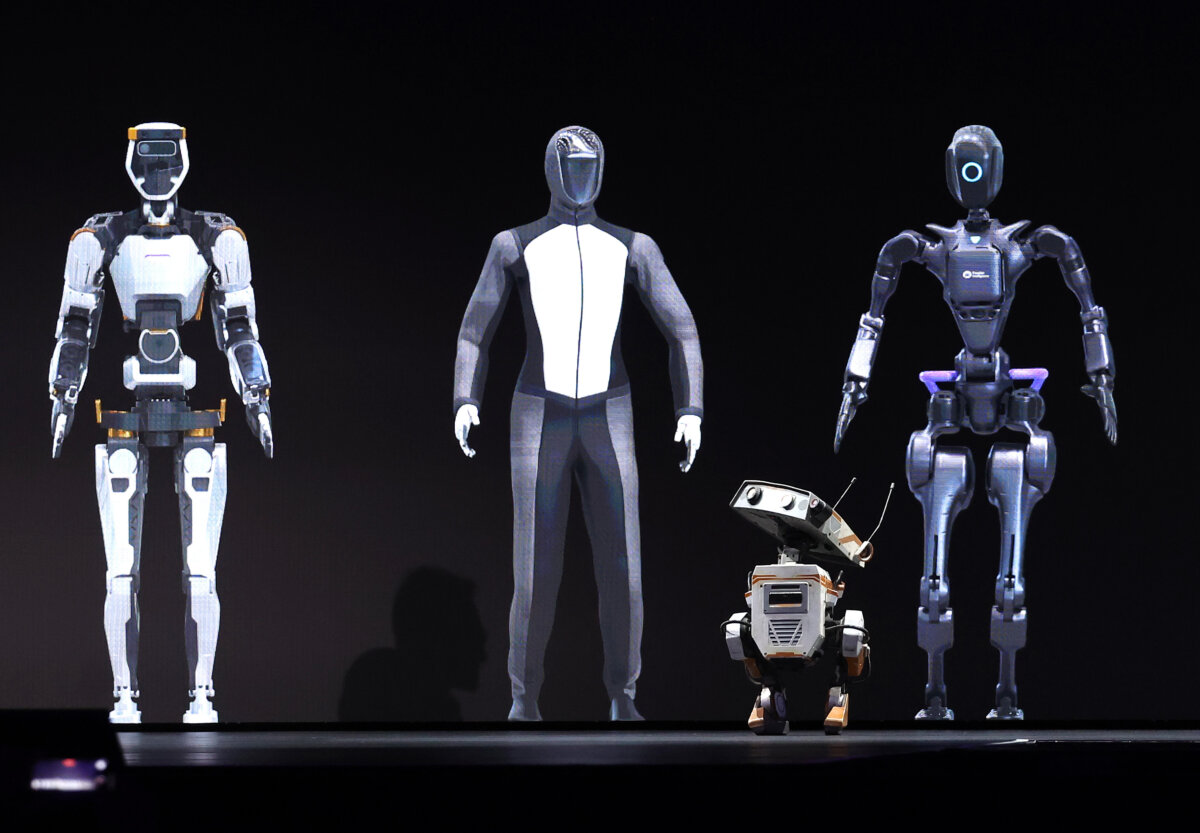

Japan’s Kawasaki Heavy Industries on May 23 announced a partnership with Nvidia to establish a physical AI development center in Silicon Valley.
Physical AI refers to AI machines that autonomously perceive, reason, and make decisions in real-world environments, meaning robotics and other autonomous machines.
“We would like to make this place a starting point for global partnerships,” said Kawasaki President and CEO Yasuhiko Hashimoto. “What we aim for is NOT to replace people, but to deliver Physical AI that supports human judgment and action—safely and efficiently.”
An opening ceremony for the physical AI hub was held on May 21 in San Jose and was attended by representatives from each of Kawasaki’s partners in the project—Nvidia, Analog Devices, Microsoft, and Fujitsu—as well as Japanese government agencies.
Hashimoto said the center, named the “Kawasaki Physical AI Center San Jose,” will first focus on healthcare and elder care as aging societies and labor shortages are global issues.
He said that through the integration of physical AI and robotics, the center will be a “hospital one-stop solution” that covers the entire in-hospital experience, including arrival, examination, diagnosis, treatment, surgery, and post-care.
“What matters most is that these solutions take root on site, are used continuously, and contribute to improving the quality of healthcare,” he said.
Hashimoto said the companies will also expand the integration of physical AI and robotics across a wide range of diverse industries.
“At this Center, partners from AI, semiconductors, software, academia, and those who understand real customer challenges come together,” he said.
Nvidia founder and CEO Jensen Huang said Kawasaki will use Nvidia systems for AI training and simulation and will test its robots virtually with the help of Nvidia’s platforms, Omniverse and Isaac Lab, before using them in real environments.
“Soon, we will achieve artificial general robotics,” he said. “Everything that moves will be robotic. Machines will understand the physical world, move, and work safely around people.”
Huang said the center’s robotic systems will have their AI run by Nvidia’s Jetson AI devices.
“Mechatronics, computing, and AI must advance in harmony,” he said. “That is why this center is so important. It brings [Kawasaki’s] robotics expertise to Silicon Valley, close to Nvidia, so our teams can work more closely and move faster.”
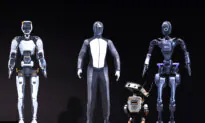
Kawasaki stated that the center will work with existing Kawasaki Group products such as autonomous service robot Nyokkey, indoor delivery robot FORRO, surgical robot system hinotori, and robotic four-legged vehicle CORLEO.
The company also stated that the center will work with Kawasaki’s development bases in Japan and its research and development innovation center in France, which began operating in March, for practical deployment reasons.
 Friends Read Free
Copy
Facebook
Tweet
Friends Read Free
Copy
Facebook
Tweet