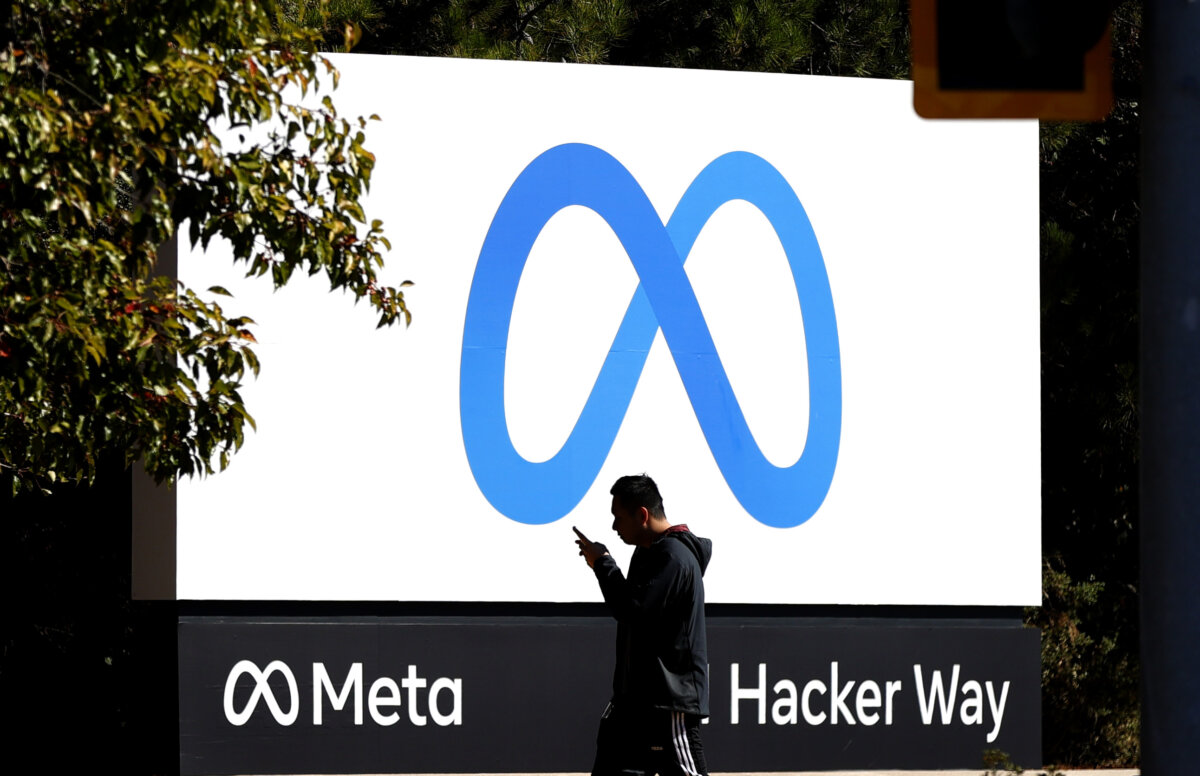

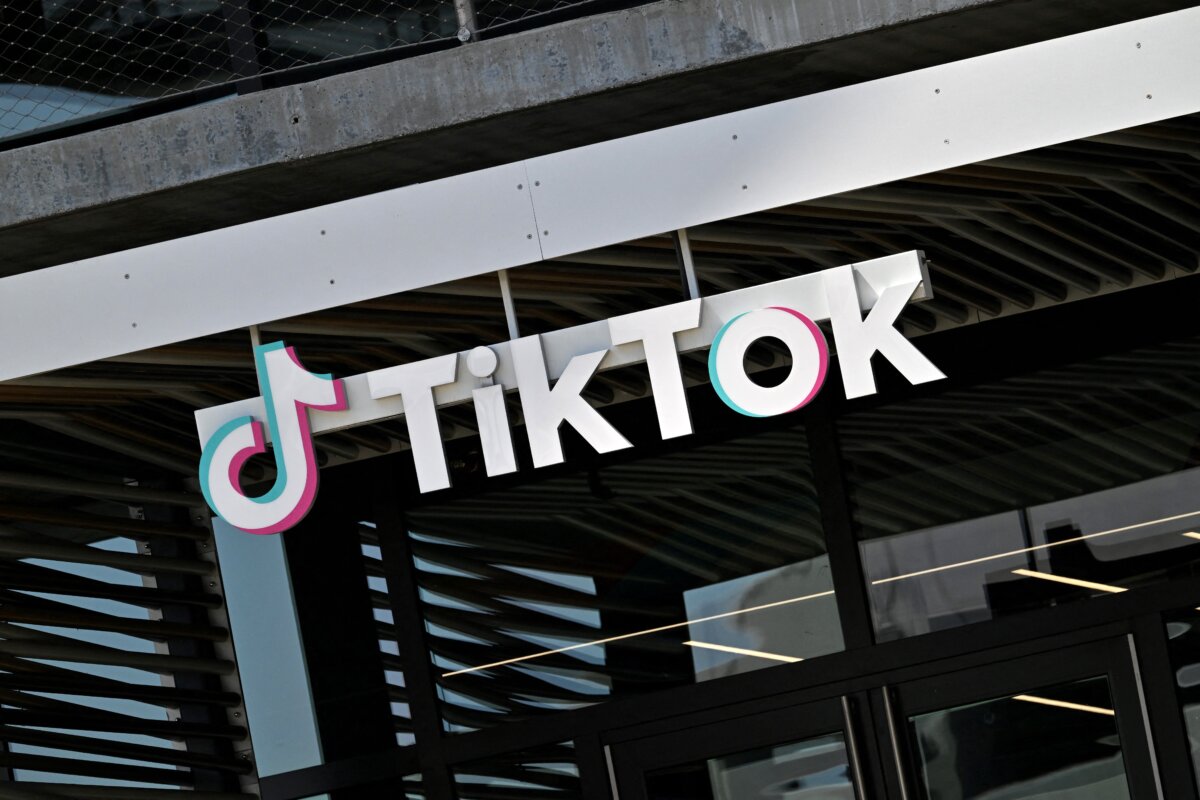
The European Commission said on Oct. 2 that Meta and TikTok violated the European Union’s transparency rules under the Digital Services Act (DSA), the bloc’s online content law.
These preliminary findings are part of the commission’s ongoing investigation into Meta and TikTok, and the commission continues to investigate the platforms for other potential breaches.
According to its preliminary findings, TikTok and the Meta brands Facebook and Instagram did not grant researchers adequate access to public data.
“This often leaves them with partial or unreliable data, impacting their ability to conduct research, such as whether users, including minors, are exposed to illegal or harmful content,” the commission said.
The commission added that Facebook and Instagram were in breach of their obligation to provide simple ways for users to report illegal content, such as terrorist or child sexual abuse material.
The preliminary findings said that Meta had put in place unnecessary steps in its reporting mechanisms and used “dark patterns” or “deceptive interface designs.”
“Such practices can be confusing and dissuading. Meta’s mechanisms to flag and remove illegal content may therefore be ineffective,” the commission said.
It also said that Facebook and Instagram were in breach of their obligations to allow social media users to effectively challenge decisions to ban them from the platforms or remove their content.
Henna Virkkunen, the commission’s executive vice-president for tech sovereignty, security, and democracy, said that tech platforms “must empower users, respect their rights, and open their systems to scrutiny.”
“We are making sure platforms are accountable for their services, as ensured by EU law, towards users and society,” she said.
Potential Fines
The commission said that Meta, a U.S. company, and TikTok, owned by Chinese company ByteDance, can examine the findings, file a response, and take action to remedy the reported breaches.
The EU said that these preliminary findings “do not prejudge the outcome of the investigation,” but if confirmed, the bloc may impose a fine of as much as 6 percent of Meta and TikTok’s total global turnover.
Meta spokesman Ben Walters said the company disagrees with the findings and will continue to negotiate with the EU over compliance.
“We have introduced changes to our content reporting options, appeals process, and data access tools since the DSA came into force and are confident that these solutions match what is required under the law in the EU,” Walters said.
A TikTok spokesperson said it would review the preliminary findings, “but requirements to ease data safeguards place the DSA and GDPR in direct tension,” referring to the General Data Protection Regulation, the EU’s rules on information privacy.
“If it is not possible to fully comply with both, we urge regulators to provide clarity on how these obligations should be reconciled,” the spokesperson added.
Free Speech Concerns
DSA is the EU’s digital rules book that imposes strict requirements on tech companies. Its primary goal is “to prevent illegal and harmful activities online and the spread of disinformation,” according to the commission.
The DSA has been criticized by the Trump administration. Officials have said the EU’s laws and regulations restrict free speech.
Federal Communications Commission Chairman Brendan Carr said on March 3 that the DSA’s approach was “incompatible with both our free speech tradition in America and the commitments that these technology companies have made to a diversity of opinions.”
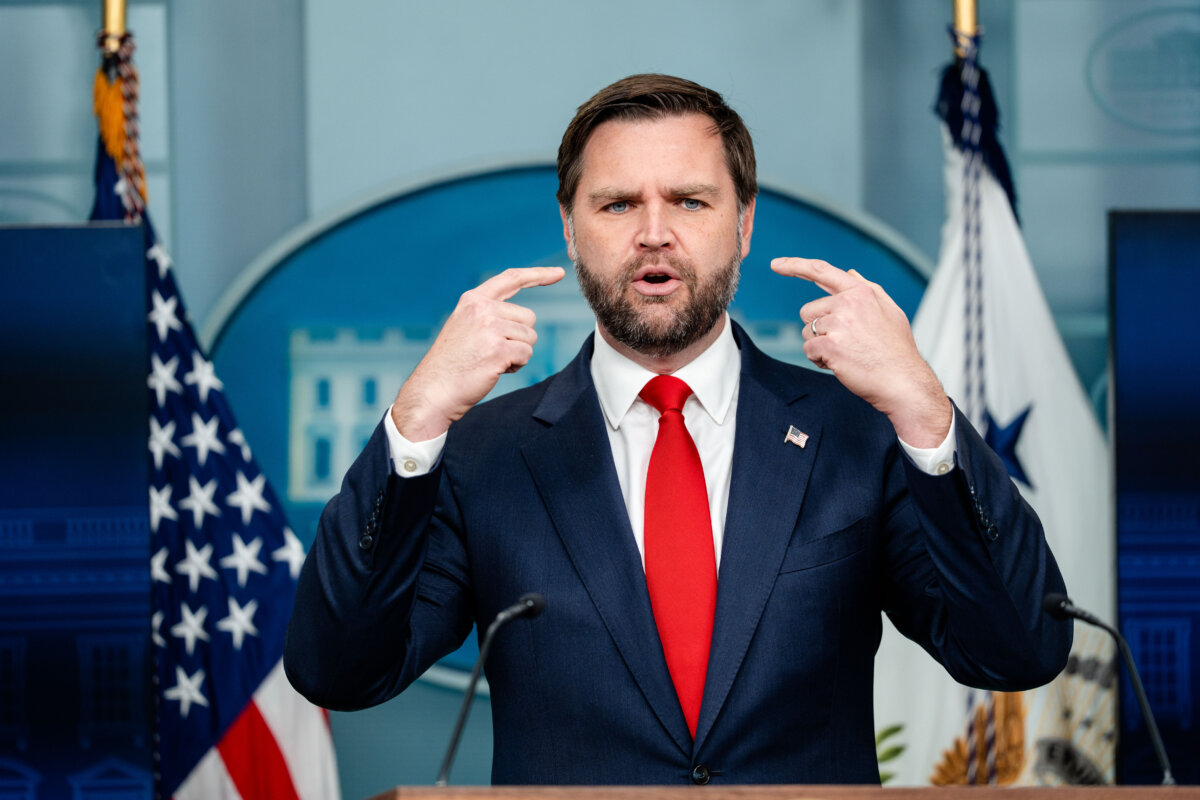
In February, U.S. Vice President JD Vance criticized the DSA at an artificial intelligence summit in Paris.
“It is one thing to prevent a predator from preying on a child on the internet,” Vance said. “It is something quite different to prevent a grown man or woman from accessing an opinion that the government thinks is misinformation.”
EU digital spokesman Thomas Regnier denied accusations that the DSA is a tool of online censorship.
Regnier wrote in an Oct. 24 post on LinkedIn: “When accused of censorship, we prove that the DSA is doing the opposite. It is protecting free speech, allowing citizens in the EU to fight back against unilateral content moderation decisions taken by big tech.”
Owen Evans, Etienne Fauchaire, The Associated Press, and Reuters contributed to this report.
 Friends Read Free
Copy
Facebook
Tweet
Friends Read Free
Copy
Facebook
Tweet