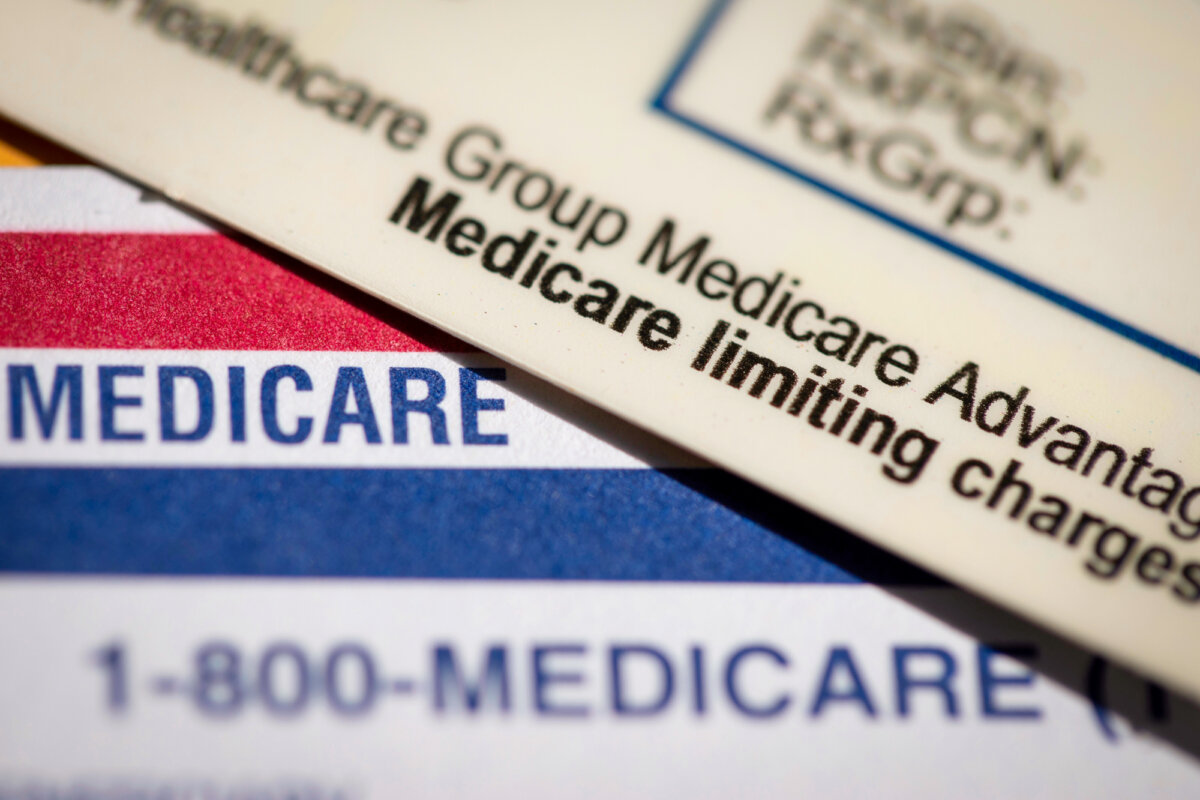

Twenty-nine health systems are dropping Medicare Advantage plans in 2026, citing prior authorization denials, reimbursement issues, and deal renegotiations.
The number of terminated contracts this year is down from 40 in 2025 and 32 in 2024, Becker’s Hospital Review reported on Sept. 4.
Naples Comprehensive Health, one of America’s top 50 hospitals, will go out of network with Centene’s Wellcare and Health Care Service Corporation’s HealthSpring Medicare Advantage plans, effective in 2027.
“This change allows us to ensure that the plans we partner with truly support quality care, reduce unnecessary administrative barriers, and align with our commitment to delivering the best possible experience for our patients,” the hospital said in a statement.
The Epoch Times requested comments from Wellcare and HealthSpring but did not receive a response by the time of publication.
Lee Health in Fort Myers, Florida; Fairview Health Services in Minneapolis, University of Miami Health System; and CarolinaEast Medical Center in New Bern, North Carolina, are terminating contracts with the UnitedHealthcare Medicare Advantage plan at the end of 2026, according to corporate statements.
If unable to reach a new agreement, NewYork-Presbyterian Hospital will be leaving UnitedHealthcare on Oct. 1, according to a hospital statement.
A UnitedHealthcare spokesperson told The Epoch Times, “We are actively negotiating with most of these providers to renew our network relationship,” except for the University of Miami Health System.
“These discussions are similar to the thousands of provider contract negotiations we conduct each year, the vast majority of which result in renewed agreements that support continued access to quality, affordable care for the people we serve,” the spokesperson said.
Prior Authorization a Key Complaint
Lee Health wrote to its patients saying that a central concern “is the impact that UnitedHealthcare’s authorization, review, and denial processes can have on timely access to medically necessary care.”
UnitedHealth denied 17 percent of Medicare Advantage prior authorization requests in 2025, the highest rate compared to its competitors, according to KFF, a healthcare research group.
Roughly 60 percent of those denials were overturned upon appeal.
On average, insurers denied 12 percent of standard prior authorization requests for Medicare Advantage, 14 percent for traditional Medicare claims, and 18 percent for Obamacare, according to KFF.
Prior authorization requests were overturned on appeal more often in Medicare Advantage (67 percent) compared to Medicaid (47 percent) and Obamacare (43 percent).
Additionally, UnitedHealthcare owes Lee Health more than $100 million in disputed and underpaid claims, according to a hospital statement.
Fairview also pointed to care denials, payment issues, and frequent coverage changes as reasons to leave UnitedHealthcare plans in its public statement.
CarolinaEast Medical Center (New Bern, N.C.) did not provide reasons for leaving Medicare Advantage plans.
However, UnitedHealthcare will stop requiring prior authorization for more than 1,700 procedure codes, which is about 30 percent of the total for its commercial, Medicare Advantage, Medicaid, and Affordable Care Act plans, according to a September announcement from the company.
“We know the time you spend managing prior authorizations, paperwork, and reimbursements is time you’d rather spend with your patients,” the company said in the memo to providers.
“Removing these prior authorization requirements is part of our effort to help reduce administrative work, remove barriers that can delay care and give you more time to focus on patient care,” the memo reads.
Insurers Pull Back Also
UnitedHealth, Humana, and Aetna, the three largest Medicare Advantage carriers, reduced the number of counties they serve in 2026 due to low financial margins, according to analysis from ATI Advisory, a healthcare strategy group.
This marks a new phase in the Medicare Advantage market in which growth is driven less by geographical expansion and more by focusing on more lucrative markets, according to ATI.
Most counties offer a zero-dollar premium Medicare Advantage plan in 2026, according to ATI Advisory.
As of May, more than 50 percent of Medicare beneficiaries—about 36 million Americans—have enrolled in Medicare Advantage, according to Centers for Medicare and Medicaid Services.
Medicare Advantage enrollment is concentrated among large carriers. UnitedHealthcare, Humana, and Aetna together account for nearly 60 percent of market share, according to KFF.
The Medicare Advantage market share held by UnitedHealthcare dropped to 26 percent in 2026, down from 29 percent in 2025, according to a June analysis from KFF.
Humana’s market share increased to 20 percent in 2026, up from 17 percent.
Medicare Advantage plans account for 80 percent, 33 percent, and 12 percent of revenue for Humana, Aetna, and UnitedHealthcare, respectively.
“[Centers for Medicare and Medicaid Services]’ vision for Medicare Advantage and Part D is clear: a great choice for seniors and a smart deal for taxpayers,” said Chris Klomp, director of Medicare and Chief Counselor of the U.S. Department of Health and Human Services.
“The Rate Announcement improves payment accuracy and strengthens competition based on quality—not on coding practices—helping put the program on a more sustainable path for the long term.”
Federal payments to Medicare Advantage plans would increase 2.48 percent in 2027, according to the Centers for Medicare and Medicaid Services. But the increase is still below insurers’ expectations for 2027.
“All insurers are likely to cut back on benefits, but Humana will be cutting back the most,” said Kevin Gade, chief operating officer at Bahl and Gaynor.
Members with higher medical needs might have to seek other plans, Gade said.
Reuters contributed to this report.
 Friends Read Free
Copy
Facebook
Tweet
Friends Read Free
Copy
Facebook
Tweet