
A massive winter storm has taken the lives of at least 30 people, as it continued to bring snow, sleet, and freezing rain over a large portion of the eastern half of the United States on Monday.
The storm began impacting the South late last week and moved into the Northeast over the weekend. It created dangerous conditions over an approximately 1,300-mile span, with much of the country enduring ongoing subzero temperatures and extreme cold warnings.
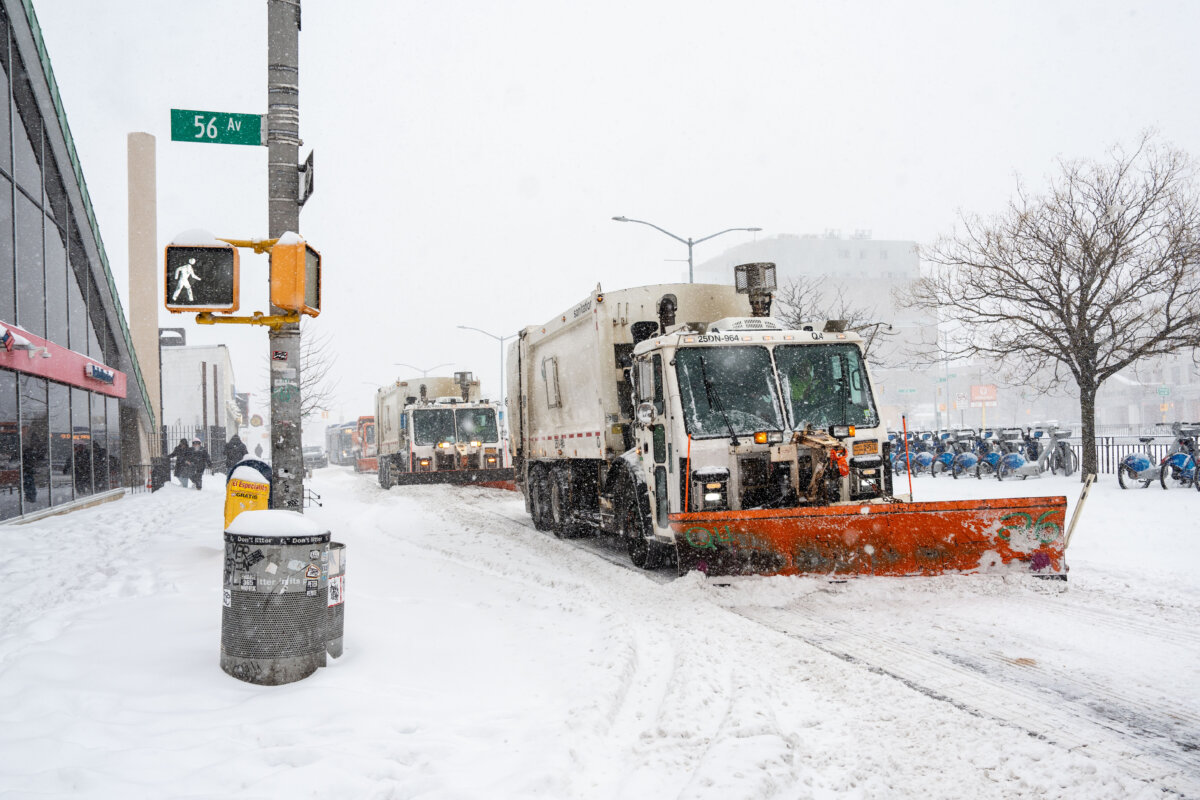
Heavy snow blanketed areas including New York City, where Central Park received 11 inches, while freezing rain snapped tree limbs and power lines in Mississippi, Tennessee, and elsewhere.
The winter storm has also knocked out power to hundreds of thousands and disrupted travel across the nation.
Bitter cold gripped much of the Lower 48, with the coldest national average low temperature registered since 2014. Extreme cold warnings extended from Montana to Florida’s Panhandle, and more light snow fell in New England through Monday evening. Frozen roads and wind chills posed ongoing risks.
Authorities confirmed weather-related fatalities in multiple states. In New York City, at least five people were found dead outside amid freezing temperatures, with causes under investigation but possibly attributed to hypothermia, Mayor Zohran Mamdani said.
Authorities in Louisiana said two men died of hypothermia in Caddo Parish, while two teenagers perished in sledding accidents in Arkansas and Texas. Another death included a teacher found covered in snow in Kansas.
Power outages affected more than 1 million customers Sunday, with nearly 800,000 still without power early Monday, primarily in the South.
Northern Mississippi and parts of Tennessee suffered widespread damage to power infrastructure, with areas like New Albany, Mississippi, facing one week without power.
Mississippi set a state record, deploying 200,000 gallons of ice-melting chemicals on roads.
More than 6,400 flights were delayed or canceled nationwide over the weekend, and nearly 11,000 U.S. flights affected at one point. Airports in Atlanta, Charlotte, New York City, and others also saw major disruptions.
Schools were largely closed as roads became hazardous and hotels were booked in cities like Nashville as people sought warm shelter.
In Oxford, Mississippi, Mayor Robyn Tannehill described the situation in her city on social media.
“It looks like a tornado went down every street,” she wrote in a Facebook post.
“Apparently, the new status symbol in this town is having electricity,” Marshall Ramsey, a University of Mississippi journalism professor in Oxford, said.
Real estate agent Tim Phillips in Oxford called the storm “just unreal.”
“Most of the snowstorm has moved out of the United States,” National Weather Service meteorologist Allison Santorelli said.
The Associated Press contributed to this report.
 Friends Read Free
Copy
Facebook
Tweet
Friends Read Free
Copy
Facebook
Tweet