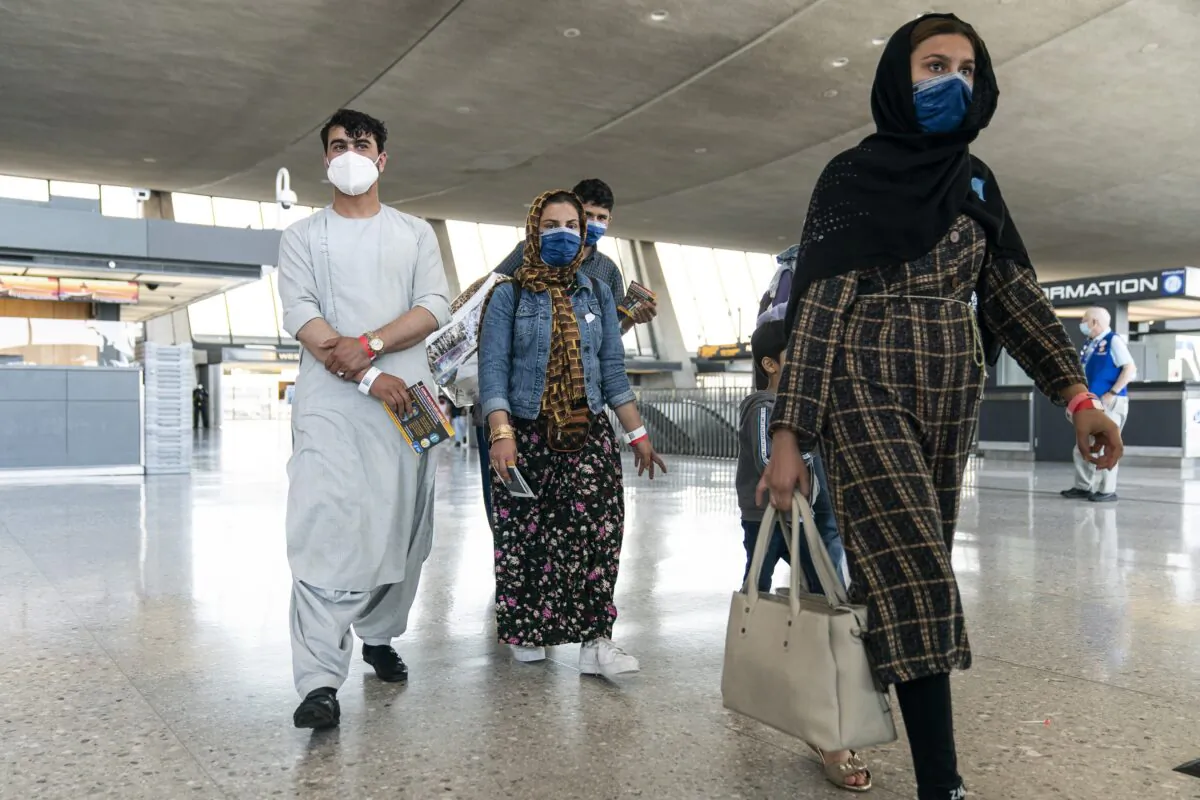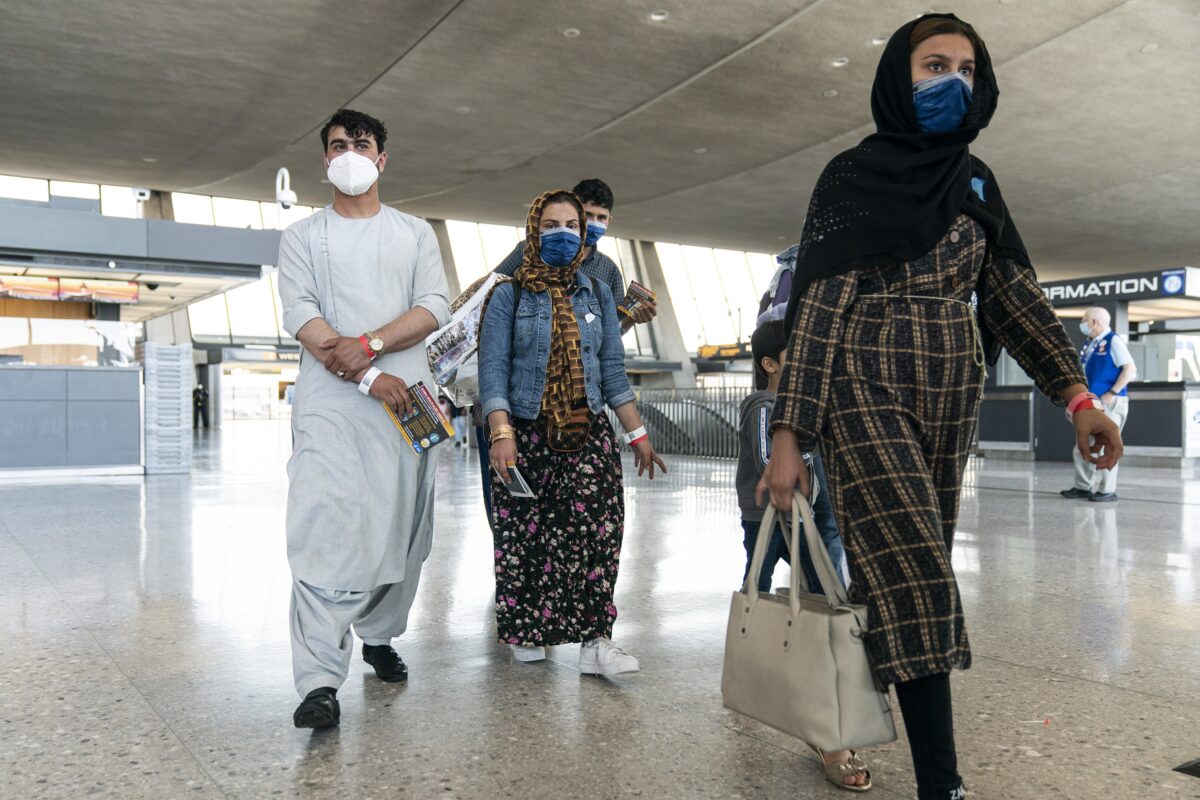

A Department of Homeland Security (DHS) Office of Inspector General review has found errors in 40 percent of sampled asylum files from Afghan nationals who entered the United States under a Biden-era refugee program.
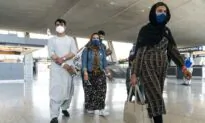
The report analyzed data from Operation Allies Welcome, which was initiated in the aftermath of the U.S. withdrawal from Afghanistan in 2021 and aimed to resettle roughly 97,000 Afghan nationals in the United States.
The DHS Office of Inspector General (OIG) analyzed a sample of 678 applications from 13,682 adjudicated applications filed by Afghan nationals resettled in the United States under the program.
The analysis identified a 40 percent error rate in adjudicating asylum files, including 303 missed aliases, 45 unresolved records, 23 missing security checks, and 115 other documentation issues, the OIG said in a Sept. 23 report.
“Most errors resulted from missed aliases or incomplete documentation, including two cases related to potential inadmissibility on terrorism-related grounds,” the report said.
One of the terrorism-related errors involved an asylum officer failing to include an applicant’s Terrorism-Related Inadmissibility Grounds (TRIG) worksheet in the case file. The second error involved officials failing to indicate whether they approved or disapproved an asylum officer’s analysis of an applicant subject to TRIG.
In a Sept. 29 statement, DHS said that Operation Allies Welcome led to many criminal immigrants being released into the United States, including those accused of sexual battery, kidnapping, drug possession, hit-and-run, and lewd or lascivious acts with a minor.
For instance, in November 2025, DHS assisted the FBI in arresting an Afghan national who was charged with threatening to kill Americans. He was in the United States as part of Operation Allies Welcome.
In December 2025, an ISIS-K member who entered the United States under the operation was arrested. And in March this year, an Afghan national allowed into the country under the program who previously was convicted of indecent exposure to a minor was arrested.
In a June 2022 statement, U.S. Citizenship and Immigration Services (USCIS), under the Biden administration, had announced that Afghans who have supported and worked with the United States in Afghanistan and have undergone rigorous vetting could qualify for protection and other immigration benefits.
Then-DHS Secretary Alejandro N. Mayorkas said in the statement that this would “allow eligible individuals who pose no national security or public safety risk to receive asylum, refugee status, or other legal immigration status, demonstrating the United States’ continued commitment to our Afghan allies and their family members.”
Mullin: ‘Dangerously Mismanaged’
DHS Secretary Markwayne Mullin said in the recent statement: “Our asylum system should be as strict as possible. If even one dangerous criminal or terrorist slips through and enters our country, it endangers countless American lives.”
The Operation Allies Welcome program was “dangerously mismanaged” and disregarded “the thorough and well-established procedures of our asylum system,” Mullin said.
OIG said in its report that it initiated the evaluation after receiving complaints that an agreement made by DHS would result in asylum adjudication issues. DHS made the settlement with certain plaintiffs in September 2023, agreeing to adjudicate 90 percent of asylum applications from the Operation Allies Welcome (OAW) population within 150 days.
This went against standard procedures, where applications from non-OAW groups can take up to 180 days.
According to the OIG, USCIS employees complained that the shortened timeframe could negatively impact proper review of applications. OIG included a response by USCIS to a redacted draft copy of the latest report.
USCIS Director Joseph B. Edlow said in a letter to DHS Inspector General that the draft report failed to consider that instances of missing aliases or improper security checks were taking place amid “broader, established, and robust screening, vetting, and security checks safeguards already in place that minimize the impact of these errors.”
Edlow said that the agency’s security check requirements include biometric and biographical checks of individuals against multiple law enforcement and watchlist databases. The agency also continues to enhance vetting requirements for people who have applied for asylum, according to the letter.
A December 2025 report by the Center for Immigration Studies said that more than 200,000 Afghan nationals had entered the United States under the prior administration’s policies after the U.S. withdrawal from Afghanistan.
“Contrary to popular narratives, most Afghans admitted during and after the evacuation had nothing to do with the U.S. government or any of its contractors,” senior researcher Nayla Rush said in the report. “They were not U.S. ‘allies,’ nor were they ‘persecuted’ individuals in need of refugee resettlement.”
 Friends Read Free
Copy
Facebook
Tweet
Friends Read Free
Copy
Facebook
Tweet