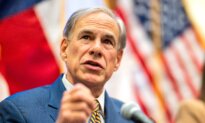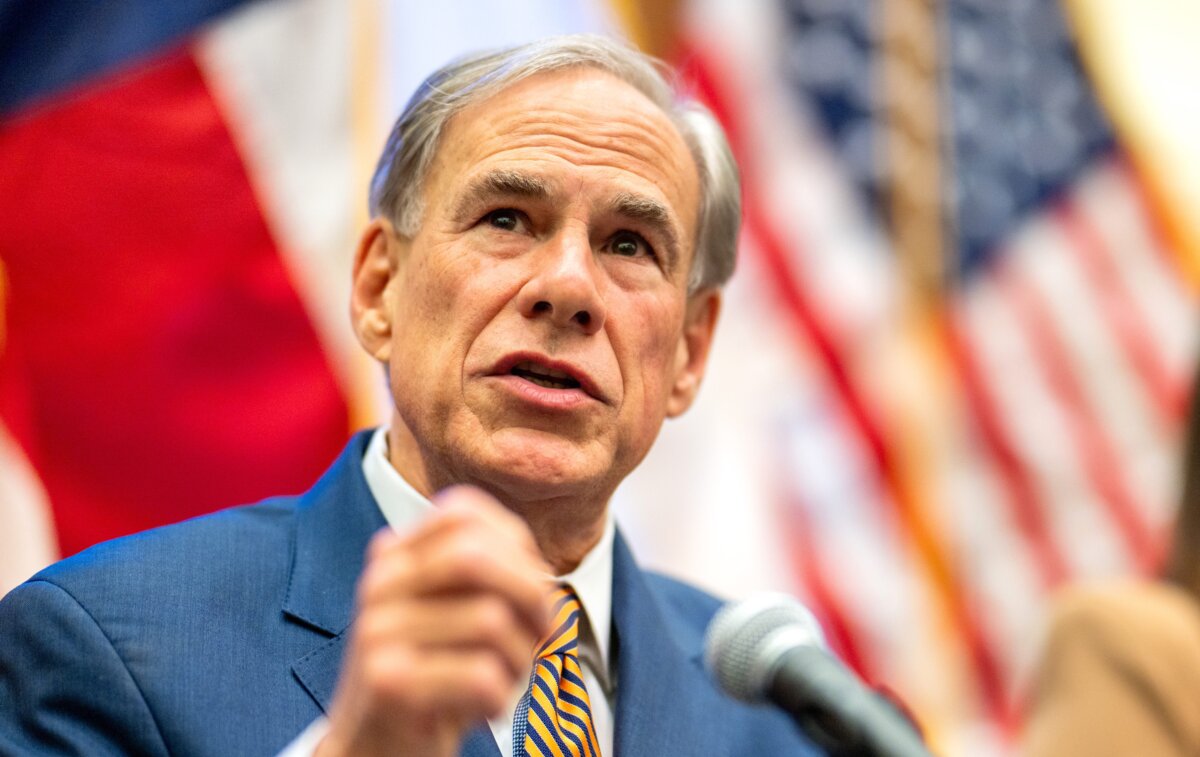
Texas Gov. Greg Abbott announced on Jan. 27 that he has directed his state’s government agencies and public universities to cease any H-1B petitions for foreign workers.
Abbott informed state agency heads of the decision in a letter asking them to provide information about current H-1B status workers and petitions.
Abbott wrote that the state should primarily hire U.S. citizens from Texas for jobs and noted his concern that foreign workers were taking jobs that should go to Texans.
“No state agency controlled by a gubernatorially appointed head or public institution of higher education shall, without the written permission of the Texas Workforce Commission, initiate or file any new petition to sponsor a nonimmigrant worker under the federal H-1B visa program,” Abbott wrote in the letter.
“State government must lead by example and ensure that employment opportunities—particularly those funded with taxpayer dollars—are filled by Texans first.”
Among the information Abbott requested from universities was “documentation demonstrating efforts to provide qualified Texas candidates with a reasonable opportunity to apply for each position filled by a H-1B visa holder before a new petition was submitted for that position.”
Abbott’s office, in its statement with the letter, said that it amounted to an “investigation into H-1B visa abuse.”
H-1B status is a temporary, non-immigrant class that allows foreign nationals to work in the United States, in a “specialty” occupation, for a maximum period of six years. A company must file a petition for this type of worker with U.S. Citizenship and Immigration Services, as well as a labor condition application with the Department of Labor.
If the petition is approved and the applicant is outside the United States, they may then obtain an H-1B visa from a U.S. consular mission to travel to the United States and begin employment.
Federal law limits the annual admission of H-1B status workers to 65,000 people, with an additional 20,000 people who have “advanced degrees” above a bachelor’s degree.
However, nonprofit organizations that receive federal funding, such as universities, are “cap-exempt,” meaning that there is no limit on the number of H-1B workers who may be admitted to work for them.
Abbott’s decision was criticized by immigration advocates and professors, who argued that it would reduce the quality of research at U.S. universities.
“This just totally screwed hiring at the cutting-edge research institutions in Texas, right in the middle of hiring season for new PhDs (the main users of H-1B),” John Soriano, a professor of economics at the University of Dallas, wrote on social media.
“UT and A&M systems are world-class research centers, and this move hurts them.”
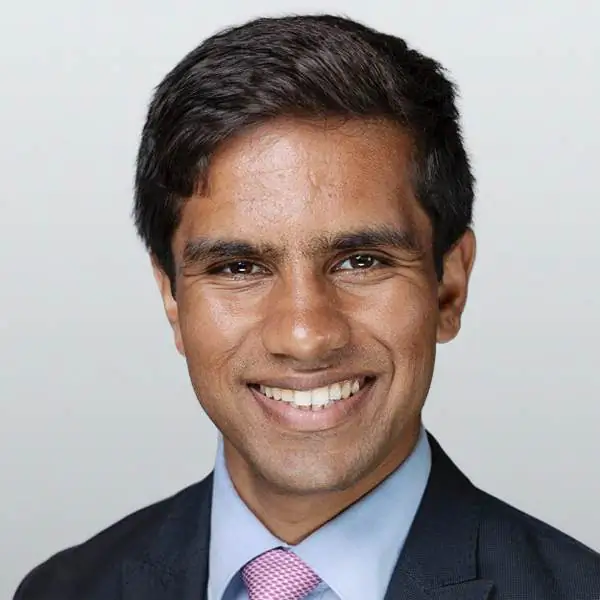
Connor O’Brien, a fellow at the Institute for Progress, wrote on social media that the ban “covers the MD Anderson Cancer Center, arguably the best cancer hospital in the world.”
Referring to demands for limiting H-1B status, he said that “bowing to the mob here means hurting cancer patients in Texas and across America.”
Other officials and lawmakers have sought to restrict or modify H-1B status.
Former Rep. Marjorie Taylor Greene (R-Ga.) introduced a bill in Congress on Jan. 2 to abolish the program, while Sens. Chuck Grassley (R-Iowa) and Dick Durbin (D-Ill.) introduced a bipartisan bill to modify it.
Florida Gov. Ron DeSantis issued a directive similar to Texas’s action on Oct. 29.
“Universities across the country are importing foreign workers on H-1B visas instead of hiring Americans who are qualified and available to do the job,” DeSantis wrote in a statement.
Until 2025, the 85,000 H-1B spots were allocated by a general lottery.
However, the Trump administration on Dec. 29, 2025, issued a new rule implementing a “weighted selection process,” which maintains the lottery but increases the odds that higher-wage workers are selected.
Workers outside the United States will also have to pay a $100,000 fee to receive an H-1B visa to travel to the country, a requirement directed by President Donald Trump in an executive order on Sept. 19, 2025.
The administration’s new H-1B rule, which will come into force on Feb. 27, has been challenged in court.
It was initially upheld by a federal district court, and the U.S. Court of Appeals for the District of Columbia Circuit has agreed to expedite the case.
 Friends Read Free
Copy
Facebook
Tweet
Friends Read Free
Copy
Facebook
Tweet