
More than one in five adults of working age with commercial health insurance reported coverage denials for doctor-recommended services, either for themselves or a family member, in the past year, according to a major healthcare affordability survey released June 4.
The survey, conducted by healthcare foundation The Commonwealth Fund, showed that many Americans experience anxiety and frustration about paying for needed medical care despite having private health insurance.
The results, gathered in 2025, showed a 24 percent increase in reported coverage denials over the preceding two years.
These findings come a week after a report by the market research firm JD Power showing that the national satisfaction score for commercial health plans decreased over the last year.
Just 30 percent of Americans with private health insurance say their plan is a trusted partner in maintaining their health and wellness, according to JD Power.
Denials
Patients received coverage denials both before and after receiving treatment, according to The Commonwealth Fund report.
About 13 percent received prior authorization denials. Another 8 percent said they had claims for treatment costs denied. About 1 percent received both.
Only about half of those who had coverage denied appealed the decision. Most of those who didn’t appeal said they didn’t know they could and that they didn’t think it would make a difference.
Some who did appeal claim denials later reported feeling that they had gotten “the runaround” or been “conned” by the bureaucratic hurdles they faced.
Coverage is denied for a variety of reasons, according to healthcare research group KFF, including a determination by the insurer that the service is not medically necessary, a lack of prior authorization, the provider is out of network, or the claim is incomplete.
America’s Health Insurance Plans, an industry group representing health insurers, defends the use of prior authorization as a tool for controlling costs and ensuring appropriate care.
“Prior authorization is an important safeguard used by both public and private payers to help ensure patients receive care that is safe, evidence-based and as affordable as possible—ultimately ensuring that every health care dollar is spent wisely,” the group said in a January 2026 statement.
In 2024, the average rate of claim denial for Obamacare insurers was 19 percent, according to KFF.
Impact on Patients
Coverage denials can harm patients, according to The Commonwealth Fund survey.
A sizable majority of those who received denials (63 percent) reported that they experienced anxiety over them. Those denials also resulted in delayed treatment for 40 percent of respondents, and worsened health for more than a quarter of them.
Delays in care due to prior authorization increase patients’ anxiety about their condition, according to Dr. Fumiko Chino, a radiation oncologist at Memorial Sloan Kettering Cancer Center.
“So the burden on our patients of just having to wait for their care, of potentially getting blindsided by a denial … it’s worsening their psychological burdens, as well as their cancer burden,” Chino said in an interview with the Journal of the American Medical Association.
Health outcomes can be worse also. “For every week of delay for certain types of cancers, their actual outcomes worsen, meaning that their cancer is more likely to recur,” Chino said.
The insurance industry committed to changes in the practice of prior authorization in 2025, including reducing the number of treatments that require prior authorization, providing easy-to-understand reasons for denials, and providing guidance on appealing decisions.
Insurers also committed to making real-time determinations on at least 80 percent of prior authorization requests by Jan. 1, 2027.
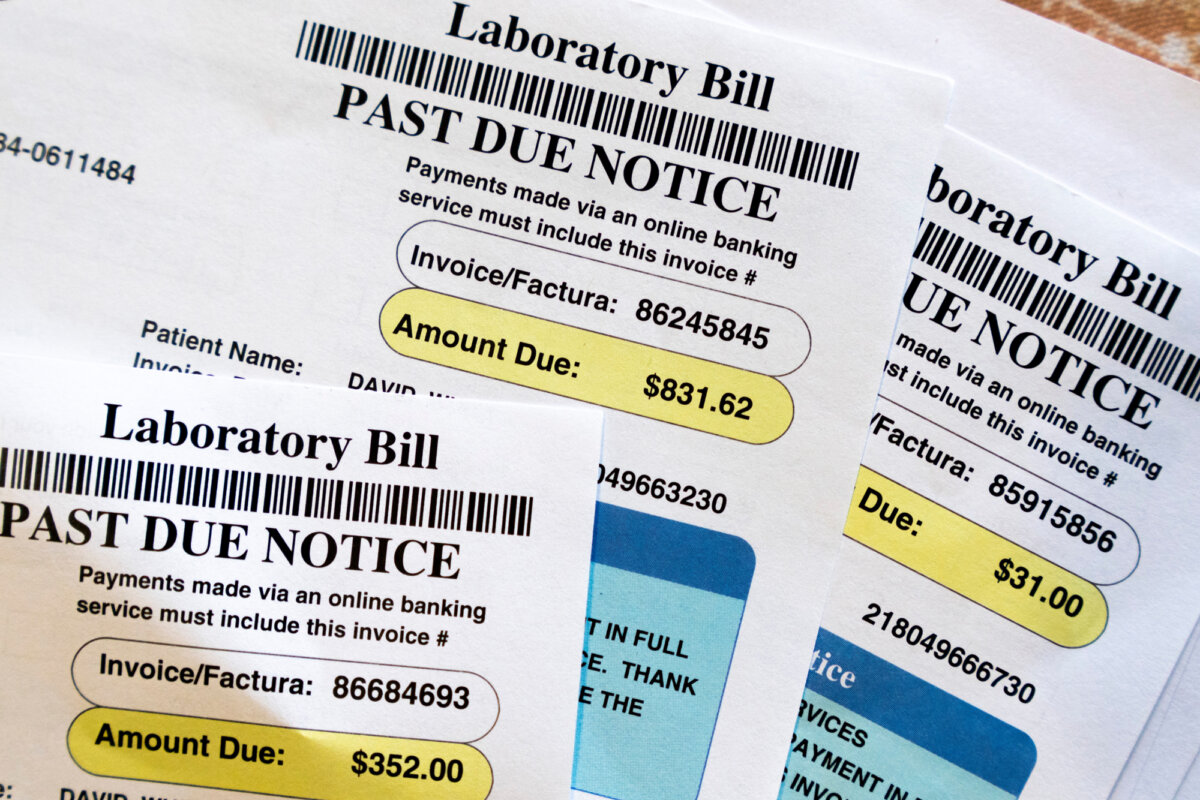
According to The Commonwealth Fund survey, coverage denials also took a financial toll, as reported by 70 percent of those with denied coverage. More than 40 percent of those with claim denials wound up in medical debt that they were still paying off when surveyed.
Although more than 90 percent of Americans have health insurance, more than 40 percent have healthcare debt, including on credit cards or owed to family members, according to Peterson-KFF Health Tracker. That debt totals an estimated $220 billion.
 Friends Read Free
Copy
Facebook
Tweet
Friends Read Free
Copy
Facebook
Tweet