
Three White House Cabinet officials plan to visit Alaska this week to open oil drilling in the Arctic National Wildlife Refuge and push forward a natural gas project that has stalled for several years.
Department of Interior Secretary Doug Burgum, Energy Secretary Chris Wright, and Environmental Protection Agency Administrator Lee Zeldin will make the voyage, several months after President Donald Trump signed an executive order to surge oil and gas drilling, mining, and logging in America’s northern-most state.
There are also ongoing negotiations on tariffs with key Asian countries that could see the administration leveraging investments in the anticipated Alaska liquefied natural gas project.
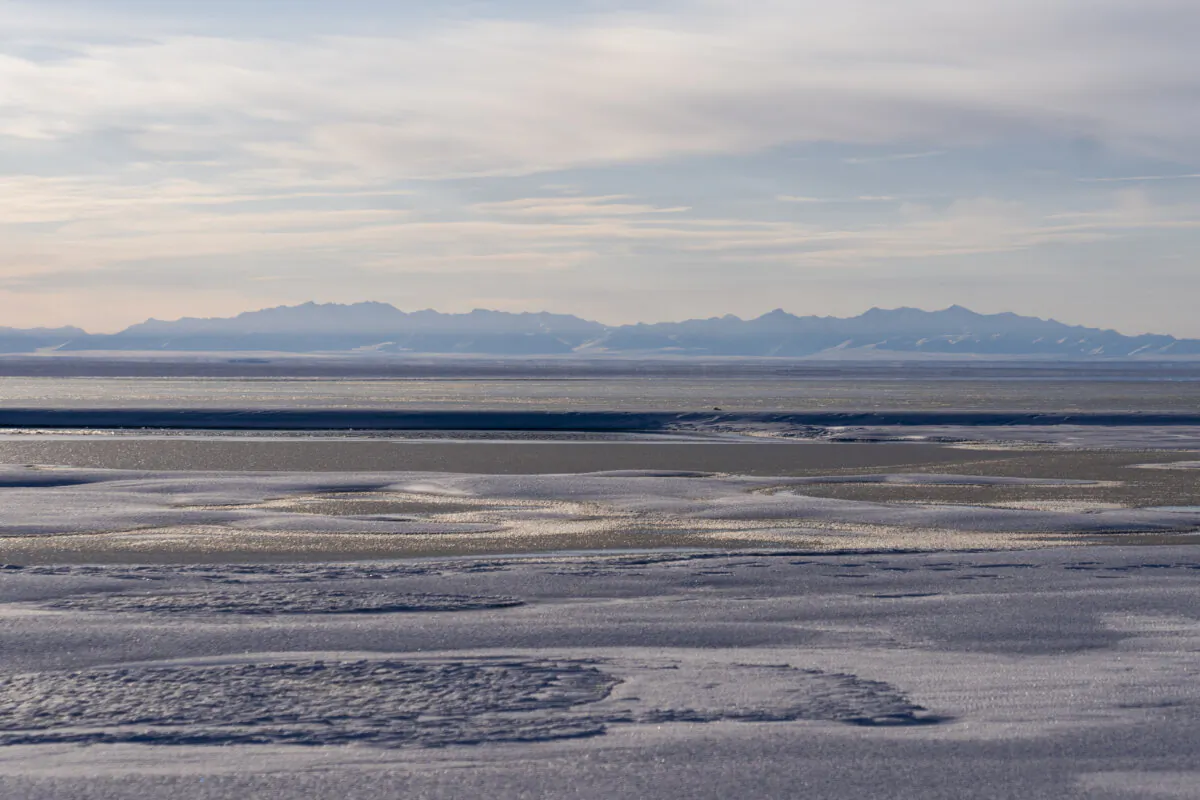
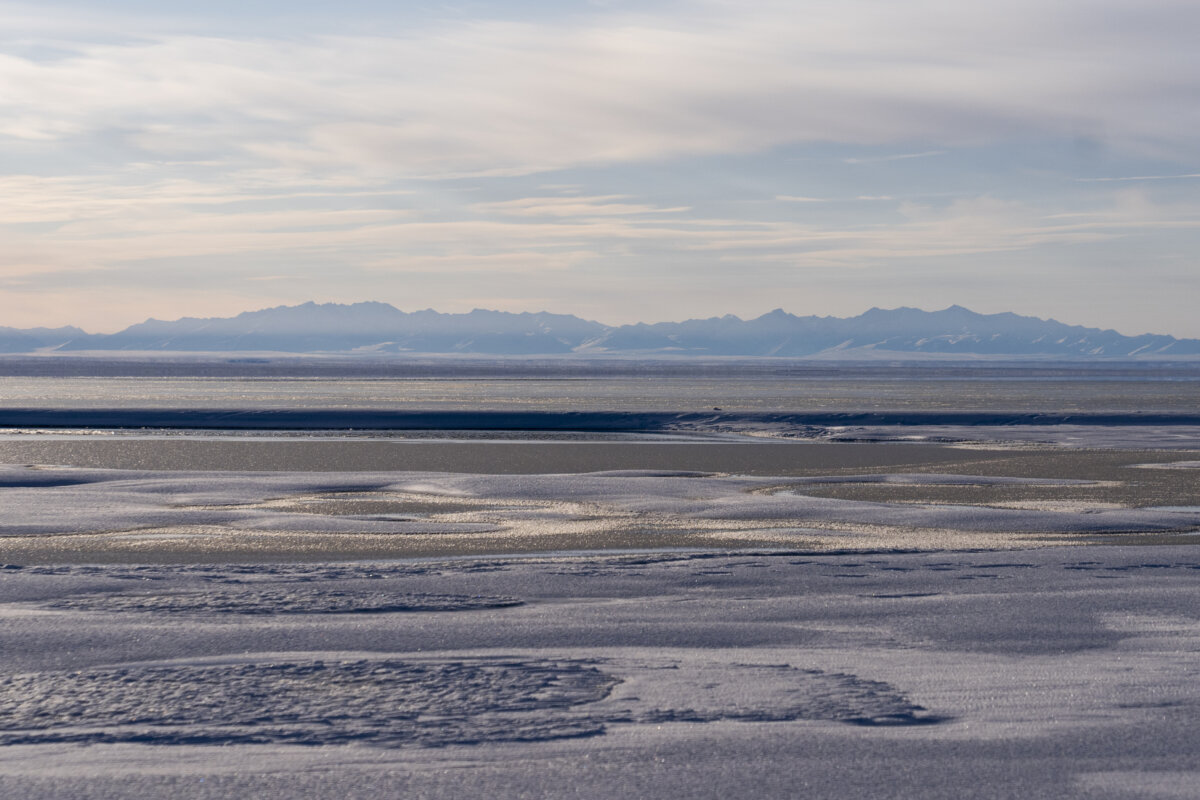
Burgum, Wright, and Zeldin will meet with resource groups and Sens. Dan Sullivan (R-Ala.) and Lisa Murkowski (R-Ala.) in Anchorage, Alaska, on June 1 before venturing to Alaska’s northern-most city of Utqiagvik. The arctic settlement is located on the petroleum-rich North Slope, seen as an economically critical oil drilling site by many Alaska Native leaders.
On June 2, the administration officials will travel to the Prudhoe Bay oil field, off the coast of the Arctic Ocean and more than 850 miles north of Anchorage. They will also speak at Alaska Gov. Mike Dunleavy’s annual energy conference on June 3 in Anchorage.
Dunleavy’s office said the visit is significant.
“I’m thankful we have an administration in the White House that recognizes Alaska’s unique value,” the governor wrote on social media platform X.
There are also government and industry representatives from several Asian nations, including Japan, who are expected to join a portion of the trip, as there is growing support overseas for investments in the pipeline.
Andy Moderow, senior policy director with the Alaska Wilderness League, criticized Dunleavy’s conference, saying that spotlighting fossil fuels alongside renewable energy options makes “energy sources of the past look more legitimate at a conference like this.”
“I think we should be looking at climate solutions that work for Alaskans, not trying to open up places that industry is taking a pass on, namely the Arctic refuge,” Moderow said.
A 2017 tax law promoted by Alaska’s congressional delegation called for two oil and gas lease permits by late 2024 in the Arctic National Wildlife Refuge’s coastal plain.
The main bidder of the first, a state corporation, had its seven leases canceled by President Joe Biden. However, a federal judge in March ruled that Biden overreached in the decision, and the Interior Department is moving to reinstate the leases.
The second lease sale attracted no bids and was criticized as overly restrictive.
Debate has persisted over drilling in the refuge, which has a diverse habitat of polar bears, musk ox, birds, and other wildlife. Indigenous Gwich’in leaders consider the land sacred, tying its value to a caribou herd they need for survival.
However, many North Slope Inupiat leaders support drilling in the refuge and have said they felt that their voices were ignored during the Biden administration. Throughout the Trump administration officials’ trip this week, the leaders hope to advocate more development in Alaska’s National Petroleum Reserve, and to be involved in planning decisions.
The visit is a “step in the right direction,” said Nagruk Harcharek, president of Voice of the Arctic Inupiat, an advocacy group whose members include leaders from the area.
In March, Burgum directed the Bureau of Land Management to “pursue steps to expand opportunities for exploration and development” of oil, gas, and mineral resources throughout nearly 20 million acres that were previously off-limits within Alaska’s National Petroleum Reserve and Arctic National Wildlife Refuge.
“It’s time for the U.S. to embrace Alaska’s abundant and largely untapped resources as a pathway to prosperity for the nation, including Alaskans,” Burgum said in a March 20 statement.
In a separate March 20 statement, Dunleavy called Burgum’s direction “more great news for Alaska.”
“The news today will provide more investment opportunities, more jobs, and a better future for Alaskans,” he said. “We look forward to our continued work with President Trump and his administration to move Alaska and our country forward.”
John Haughey and The Associated Press contributed to this report.
 Friends Read Free
Copy
Facebook
Tweet
Friends Read Free
Copy
Facebook
Tweet