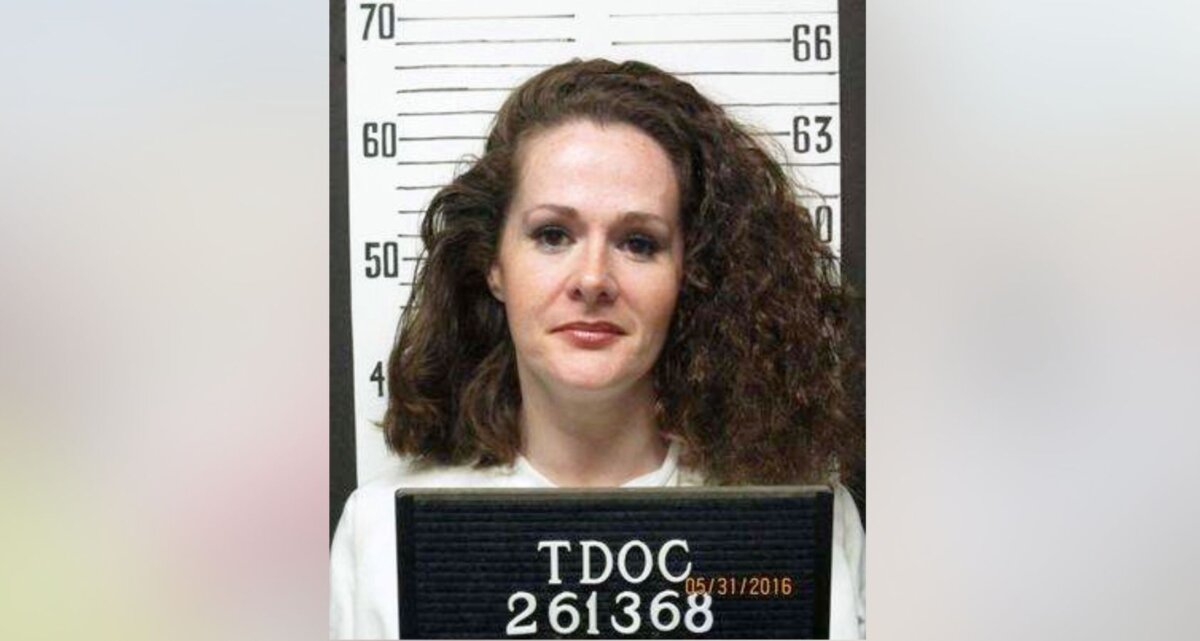

Convicted murderer Christa Gail Pike remained unconscious, intubated, and on a ventilator as of the evening of Oct. 1 after she survived an attempted execution at the Riverbend Maximum Security Institution in Nashville.
Pike’s lawyers filed an emergency motion to preserve relevant evidence on Oct. 2 and a separate motion for an expedited hearing just two days after Pike, 50, survived two lethal doses of pentobarbital.
Pike was sentenced to death in 1996 for killing her job-training program classmate, 19-year-old Colleen Slemmer. After decades behind bars, she would have been the first woman in Tennessee to be executed in at least 200 years if the lethal injection on Sept. 30 went as planned.
Her scheduled 10 a.m. execution on Wednesday was paused nearly one hour before it was re-scheduled after a federal appeals court requested more time to determine whether Pike’s history of childhood sexual abuse was fully presented when a jury returned a guilty verdict and sentenced her to death.
The Tennessee attorney general immediately asked the U.S. Supreme Court to lift that pause, which was granted on a 6–3 vote just before 6 p.m. CT on the same day.
The attempted execution of Pike took place around 7:30 p.m. CT after the Tennessee Department of Correction (TDOC) IV team allegedly spent a lengthy amount of time trying to gain IV access to her veins by using at least seven needles.
“At one point, Ms. Pike herself offered guidance on where the IV team could attempt access; one needle was bent in a 90-degree angle when it was removed,” court documents filed on Friday revealed.
Pike could be heard “crying, whimpering, and breathing loudly throughout the procedure.”
At one point, Pike even said, “My arm feels like it’s about to burst open,” and at a separate time she asked, “Does this happen like that?”
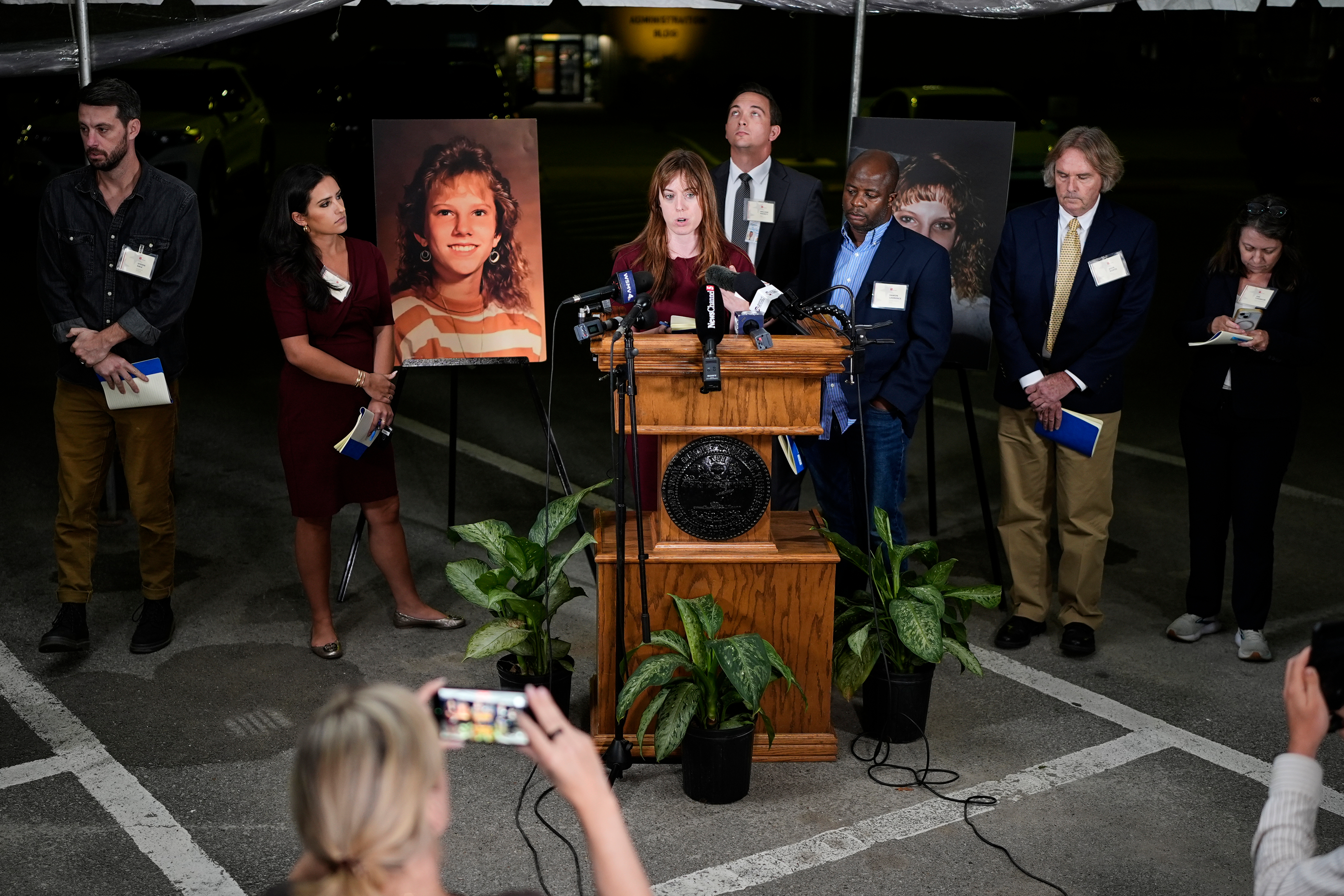 Media witnesses recount the moments before the execution of Christa Pike was halted in Nashville, Tenn., on Sept. 30, 2026. (AP Photo/George Walker IV)
The lawyers said pentobarbital was highly alkaline and compared it to bleach or Drano, because it “burns upon contact, including skin, tissue, and veins.”
They added, “The botched execution of Ms. Pike makes it abundantly clear that TDOC failed to correctly place or maintain IV lines—as she alleged—and then failed to recognize that the IV lines were improperly placed, leading to extravasation and the improper delivery of pentobarbital—as she alleged. Then, TDOC administered another dose anyway.”
After surviving the doses, she was taken to a Nashville-area hospital with both of her arms swollen, burned, and blistered, said her legal team.
As of the evening of Oct. 1, Pike remained critically ill, and hospital staff were working to save her life and to clear the pentobarbital from her system.
Pike’s lawyers argued that nine months ago, she told the court that her execution would result in cruel and unusual punishment in violation of the Tennessee and United States Constitutions due to her individual physical characteristics, such as thrombocytosis, post-traumatic stress disorder, and small veins.
 Emergency vehicles arrive at Riverbend Maximum Security Institution after the execution of Christa Pike was halted in Nashville on Sept. 30, 2026. (AP Photo/George Walker IV)
Tennessee Department of Correction defended its process in a brief statement, saying it “followed every step of the State’s lawful, established execution protocol approved by the Attorney General’s Office.”
“The lethal injection chemical in the protocol has consistently been effective, and the protocol does not allow for additional procedures beyond what was carried out this evening,” TDOC said on Sept. 30.
“The governor has appropriately called for an investigation,” the office of the Tennessee Attorney General told The Epoch Times in a statement. “We need to know what happened.”
Abe Bonowitz, co-founder of the nonprofit Death Penalty Action, criticized TDOC for how the attempted execution unfolded.
“Capital punishment is a failed public policy, and we can see that playing out in so many ways in Tennessee this week,” Bonowitz said.
Bonowitz added, “If we can’t trust [the] government to tax us fairly, fill potholes, or kill prisoners efficiently, it’s time to stop pretending they can get it right every time with people’s lives.”
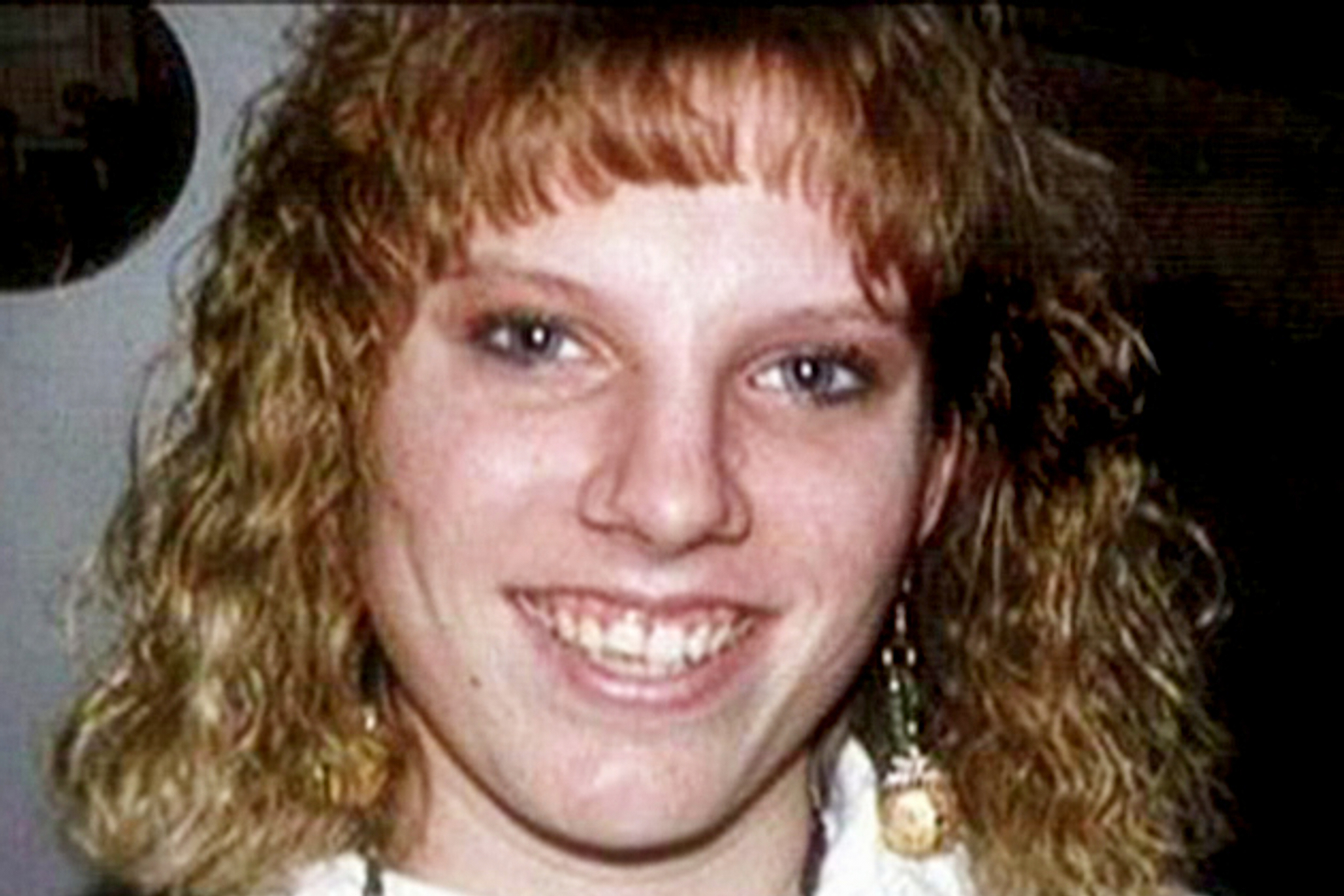 This undated photo provided by May Martinez shows her daughter, Colleen Slemmer, who was murdered in 1995 in Tennessee. (May Martinez via AP)
The Tennessee Supreme Court’s 1998 opinion said Pike slashed Slemmer’s throat six times, stabbed her in the back with a meat cleaver, and crushed her skull with a block of asphalt.
 Friends Read Free
Copy
Facebook
Tweet
Friends Read Free
Copy
Facebook
Tweet