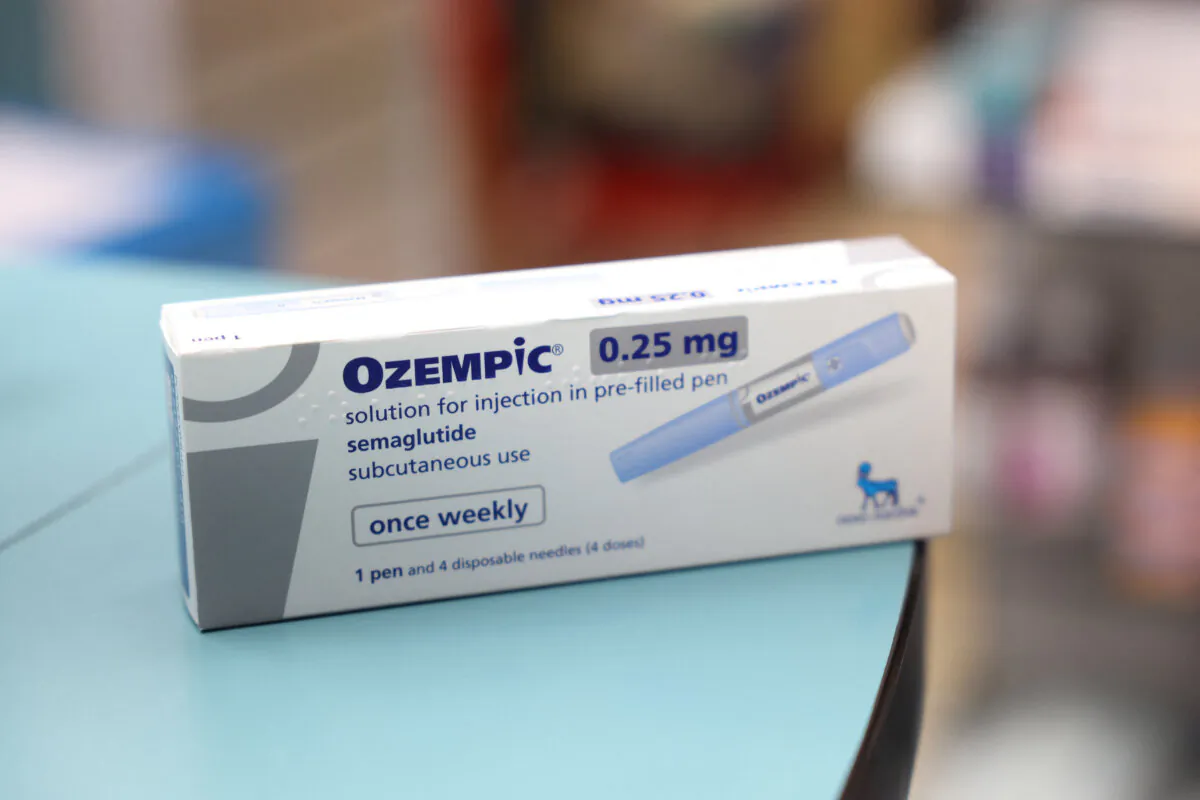

The Centers for Medicare & Medicaid Services (CMS) on Monday unveiled a voluntary model designed to expand access to GLP-1 medications for weight management and metabolic health, allowing Medicare Part D plans and state Medicaid agencies to cover these drugs while negotiating lower prices to manage expenses.
The Better Approaches to Lifestyle and Nutrition for Comprehensive Health (BALANCE) Model aims to combine GLP-1 drugs with evidence-based lifestyle interventions to improve long-term outcomes, following recent federal efforts to address affordability barriers to treatments like Ozempic and Wegovy.
“Today’s announcement builds upon our historic Most Favored Nations drug pricing deals’ goal of democratizing access to weight-loss medication, which has been out of reach for so many in need,” CMS Administrator Dr. Mehmet Oz said in a statement.
“These actions further the administration’s bold plan to reform our country’s health systems and Make America Healthy Again. With the BALANCE Model, we’re pairing breakthrough science with healthy living to cut costs while empowering Americans to take control of their health.”
The model sees CMS negotiating directly with manufacturers for reduced net prices, out-of-pocket caps, standardized coverage criteria, and lifestyle support programs.
Participation in the program is optional for drugmakers, states, and plans. Applications are due Jan. 8, 2026. The program could launch in Medicaid by May 2026 and Medicare Part D in January 2027.
“The BALANCE Model will empower more Americans to live healthier lives by expanding access to GLP-1s that have shown to be a powerful tool against the development of diseases, such as diabetes, cardiovascular disease, and other metabolic conditions, which can negatively affect a person’s long-term health,” CMS Innovation Center Director Abe Sutton said. “Through this model, CMS will make GLP-1s more accessible for people with Medicare and Medicaid.”
CMS intends to evaluate the model’s effects on costs, adherence, health outcomes, and patient satisfaction to determine potential savings and improvements.
This initiative is an attempt to address rising expenditures on GLP-1 drugs. Medicare spending on such medications, primarily for diabetes, increased from $57 million in 2018 to $5.7 billion in 2022, according to a KFF report. Ozempic accounted for 2 percent of Part D gross spending by 2022.
A November deal under President Donald Trump cut prices of Wegovy and Zepbound by nearly 90 percent. That agreement makes reduced prices available for direct-pay in January 2026 and Medicare/Medicaid in July 2026, with optional state Medicaid coverage. Currently, 13 states cover GLP-1s for obesity.
Earlier, Medicare expanded Wegovy coverage for patients at increased heart disease risk due to being overweight, following FDA approval. Broader anti-obesity coverage remains limited, however, with an April decision against expansion.
Demand for these drugs has driven health premium hikes, with GLP-1 use contributing to ballooning Obamacare costs. Eli Lilly recently cut Zepbound prices to increase access to the obesity drug.
Reuters contributed to this report
 Friends Read Free
Copy
Facebook
Tweet
Friends Read Free
Copy
Facebook
Tweet